Portfolio update September 2026
Asian tourism, smart locks and Philippine IPOs

Hi! Welcome to a subscriber-only edition of Asian Century Stocks – a newsletter about Asian value stocks. For a complete list of all previous posts, check out the Table of Contents.
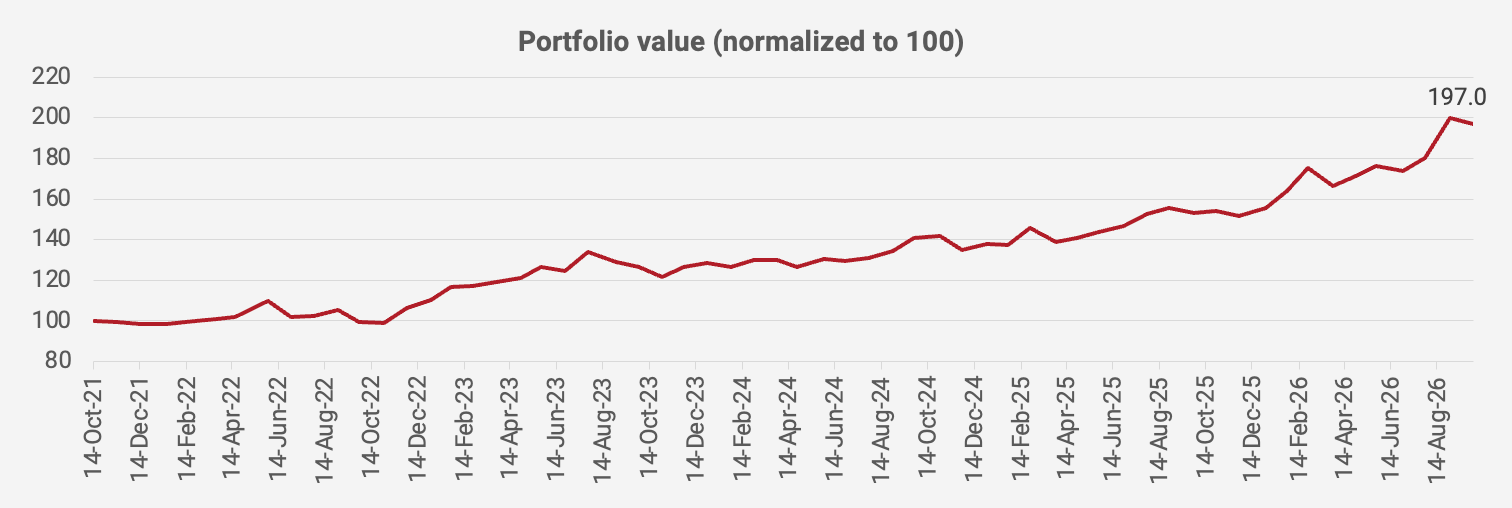
The portfolio declined by -1.4% month-on-month in September 2026, measured in US Dollar terms. Since inception in October 2021, the portfolio's value has increased by +97.0%, equivalent to a +14.6% compound annual growth rate:
The primary culprit was a decline in Japanese accounting software firm Freee after its post-August 2026 share price squeeze. Luckily, I sold most of my position at higher levels. But the stock's volatility has been astonishing.
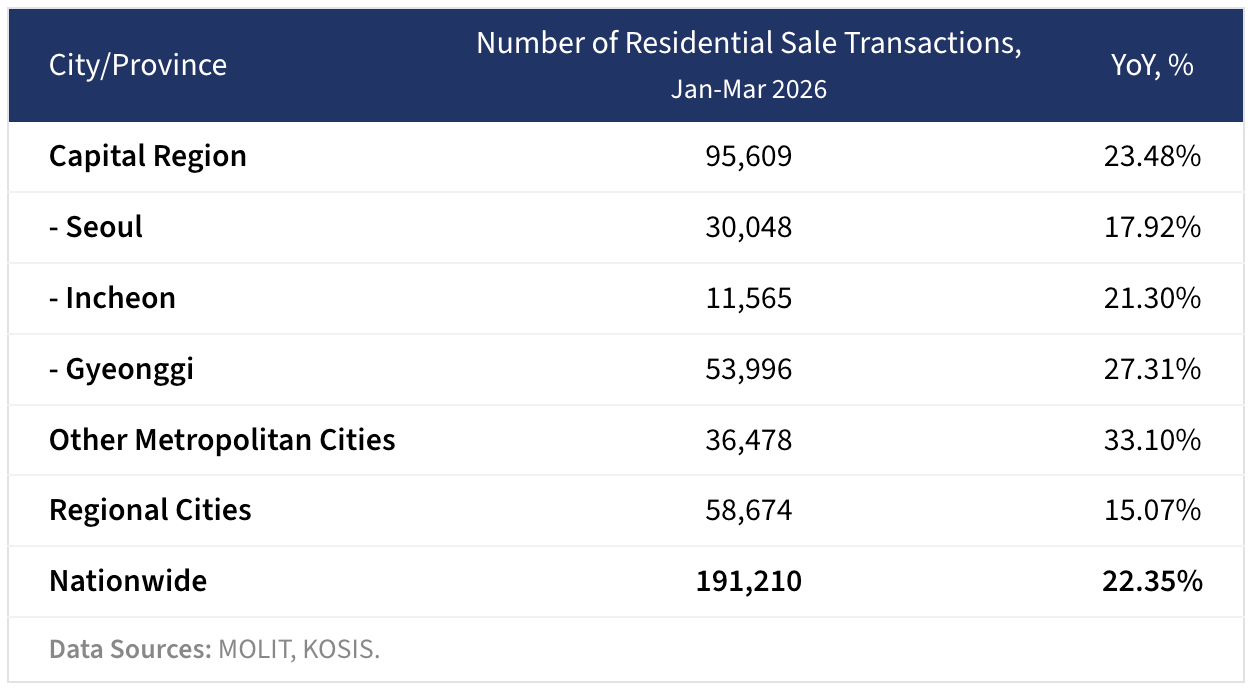
Meanwhile, Korean credit bureau NICE Information Service has continued to creep higher, perhaps thanks to a nascent recovery in Korea's housing market. I found this chart via Global Property Guide: early 2026 housing transactions rose by +22%:
Perhaps that's why we're now seeing insider buying in both Hyundai Elevator and furniture contractor Hanssem.
I'm also noting that, according to Smart Insider, the insider buying in South Korean equities remains extremely lopsided: 5x as much buying as selling. The theme seems to be rising dividend payout ratios, 2027 treasury share cancellations and, for some companies, a gradually improving job market.
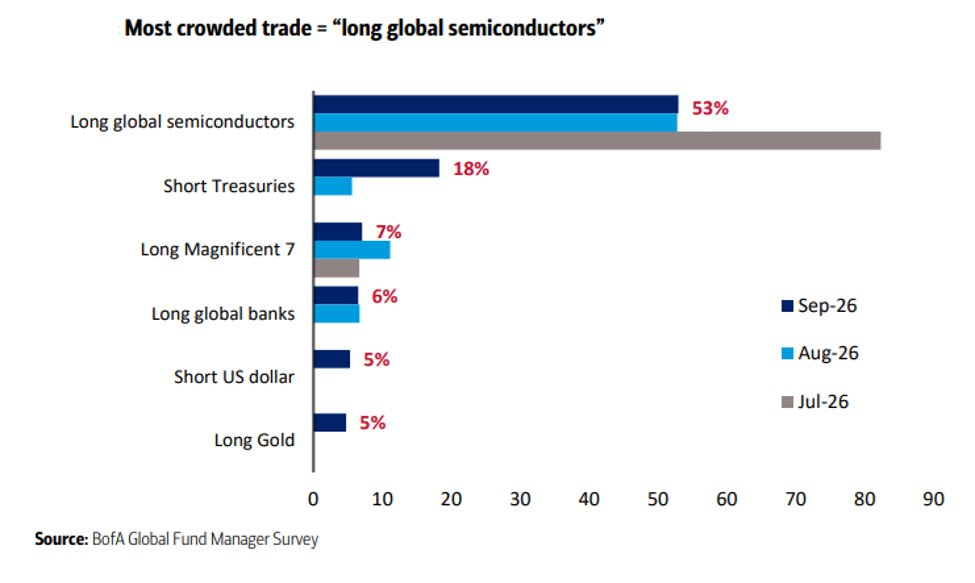
I enjoyed Ian Bezek's book review of Alex Gurevich's The Perfect Trade. I wasn't as impressed by the book. But I agree with Ian that long-term US government bonds seem relatively attractive compared to equities. The September issue of Bank of America's Global Fund Manager Survey confirms general bearishness about government bonds:
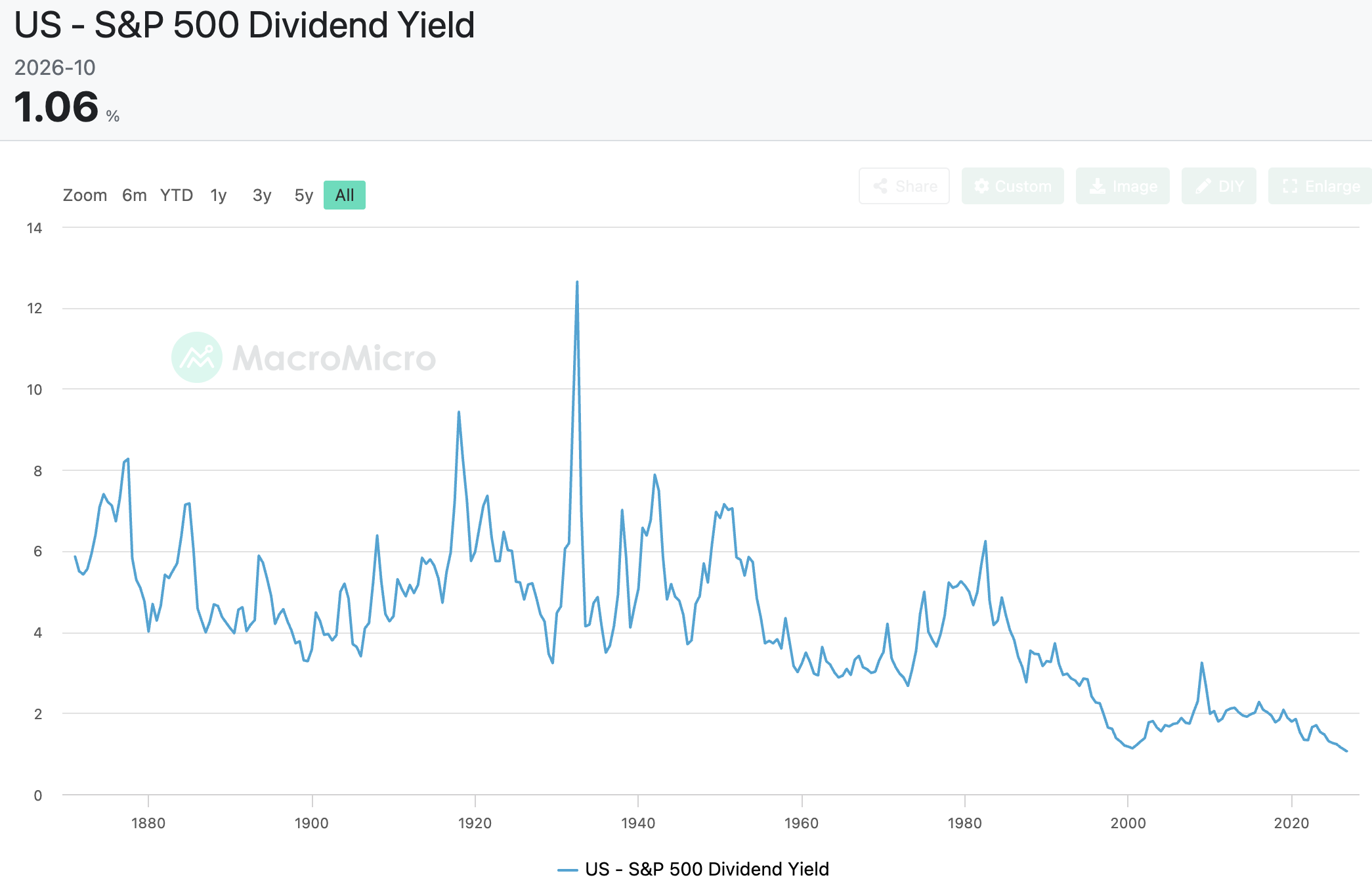
This comes as the S&P 500 dividend yield has reached an all-time low of just 1.1%. This puts the 10-year UST yield of 5.3% into perspective.
In this neck of the woods, Japan's 10-year bond has hit 3.1% and is now above that nation's year-on-year broad money supply growth of 2.0%.
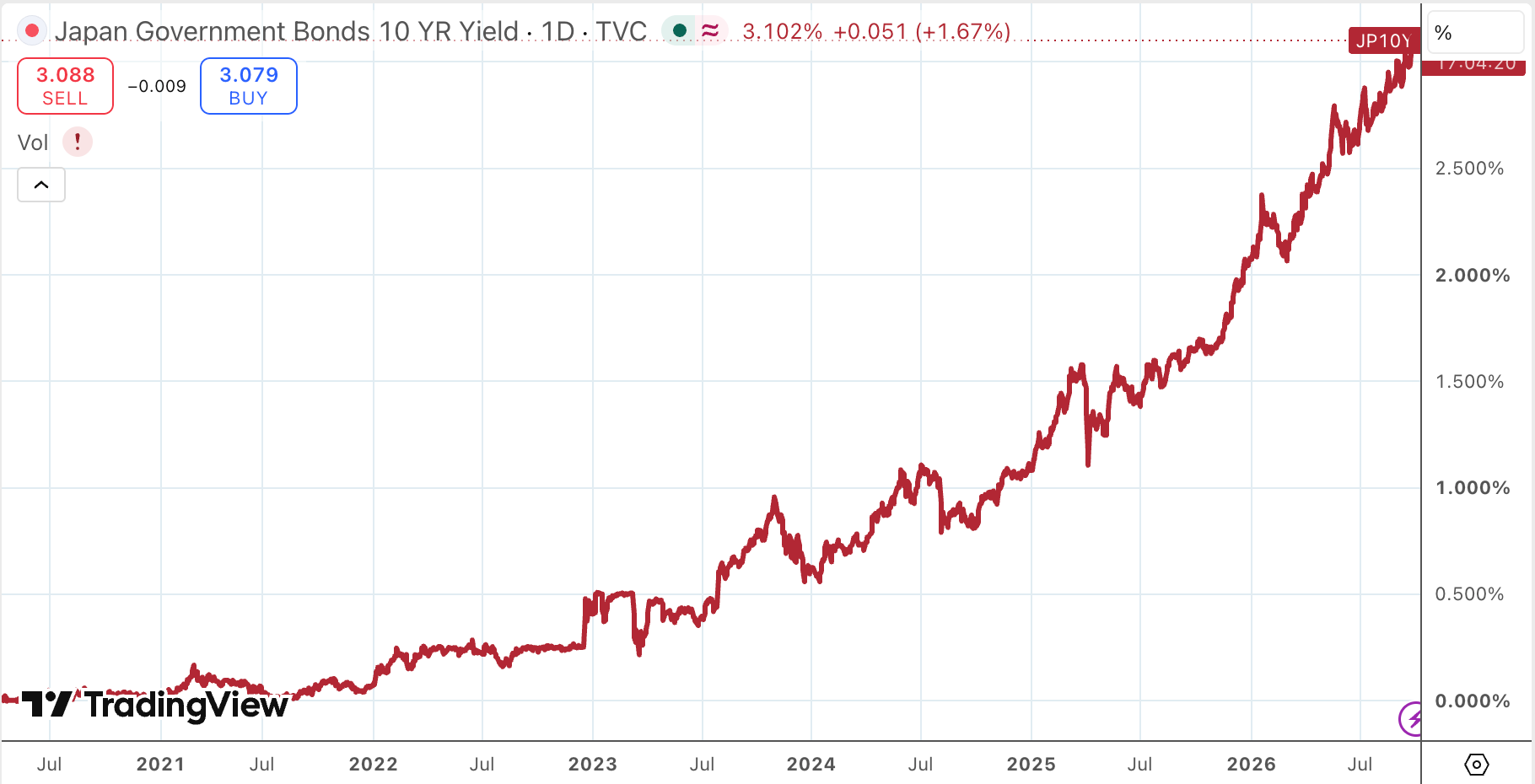
I'm not saying it's attractive, but it's certainly more attractive than five years ago. Some readers are now considering the possibility that the Japanese Yen might one day appreciate. If the yen were to appreciate, importers like Nitori and Seria would be among the direct beneficiaries, along with leveraged Hong Kong property owners like Link REIT.
A big theme that's been on my mind over the past month is the rise in oil prices. I can tell that investors are visibly worried about inflation pressures in emerging markets. And many travel stocks have sold off, from Trip.com to MakeMyTrip. At the same time, I've been positively surprised by Chinese tourism to Southeast Asia. Stocks like Samart Aviation directly benefit from these flows.
Another theme that's been on my mind is the impact of GLP-1 drugs. Meera Kapoor wrote a post for ACS discussing GLP-1 drug usage in Asia. It's still at very low levels, but generics variants seem to be catching on in India. Oral formulations will further popularize the drug. This led me to write about the Korean botox maker Hugel, whose dermal fillers are used to treat what's now become known as Ozempic face (no position yet).
And finally, I spent quite a bit of time thinking about hidden champions in Indonesia. The market is so hated that my contrarian side feels compelled to dig deeper. My conclusion is that Indonesian politics are indeed a shit-show. But within the market, I argue that consumer companies will be mostly left to their own devices. Among the hidden-champion stocks I identified were glove manufacturing mold maker Mark Dynamics and Cinema XXI. More on those later.
The portfolio as at 30 September 2026 is set out below, along with this month's transactions. This is a disclosure, not a model portfolio and not a suggestion to buy or sell stocks.