Mizuno (8022 JP)
Japanese sportswear brand at 16x P/E

Hi! I'm Michael Fritzell. Welcome to another free-to-read edition of Asian Century Stocks – a newsletter about Asian value stocks. First time reading? Sign up here. For a complete list of all previous posts, check out the Table of Contents.
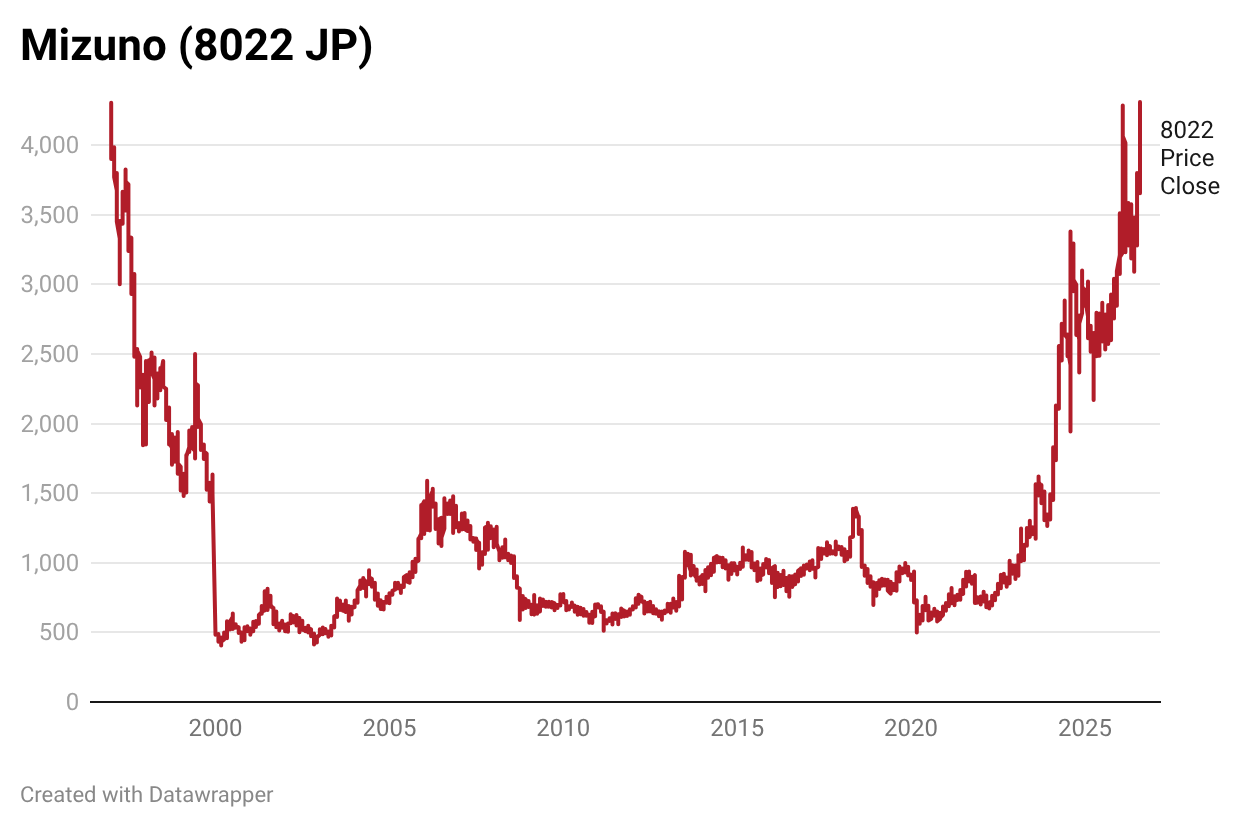
Over the past decade, the Japanese sportswear brand Mizuno (8022 JP – US$1.9 billion) has compounded at a 16.5% annual rate:
Of course, past performance does not indicate future performance.
But it still begs the question: why? And what does the future look like? I've been working with recent graduate Meera Kapoor to understand the company from the inside out. This is what she's concluded.
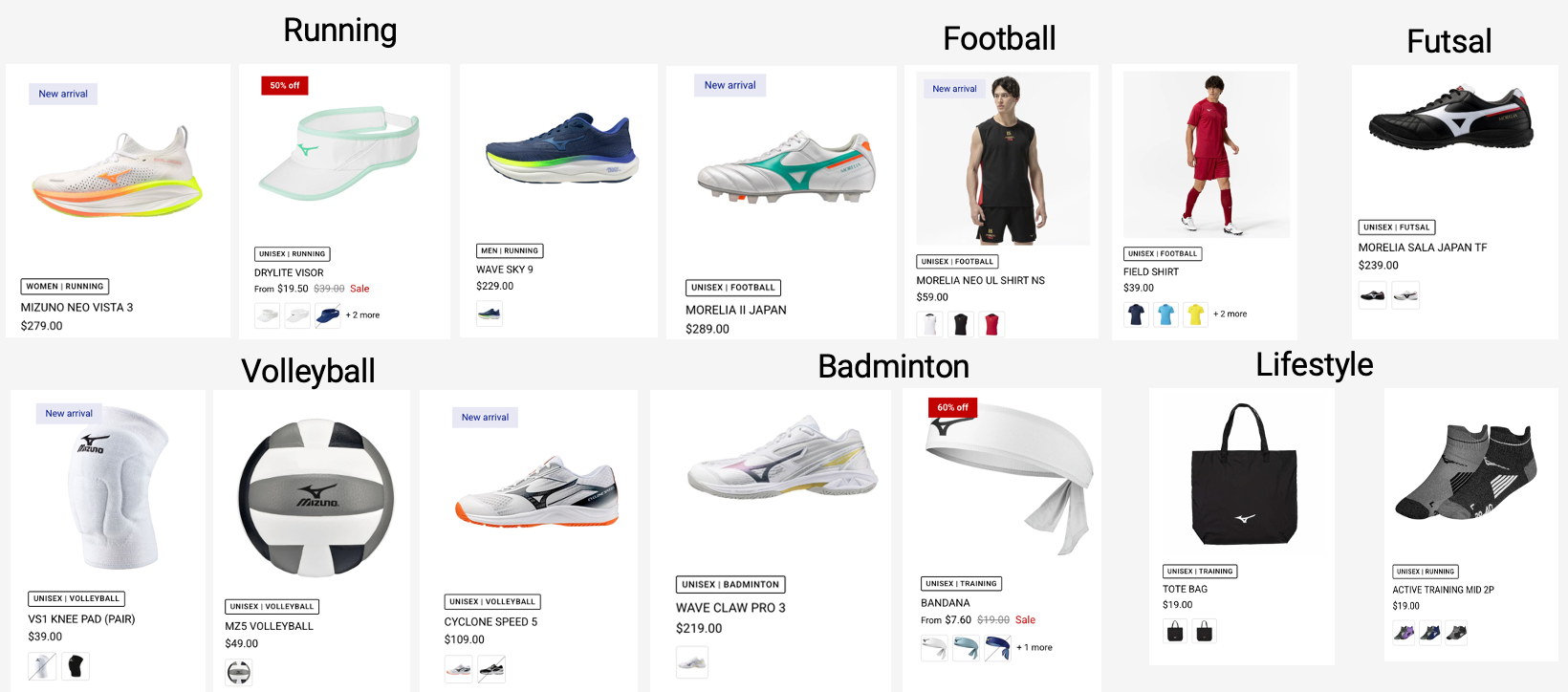
Mizuno is a major global sportswear brand. Most consumers associate Mizuno with golf equipment. But it also has strength in baseball and football, especially within Japan, where 61% of its revenue comes from.
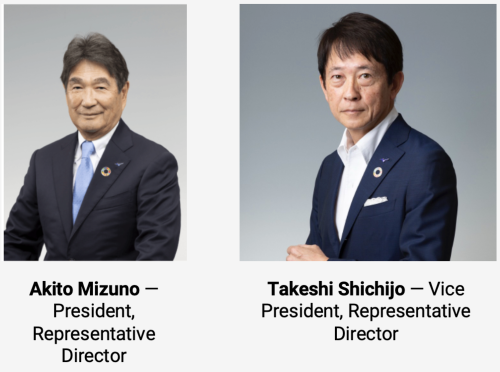
The company has been around for 120 years, controlled by the Mizuno family through the Mizuno Sports Promotion Foundation. But the actual architect behind Mizuno's recent turnaround has been Takeshi Shichijo, who has been pushing the company towards higher-margin segments such as running footwear and "Sportstyle" lifestyle apparel.
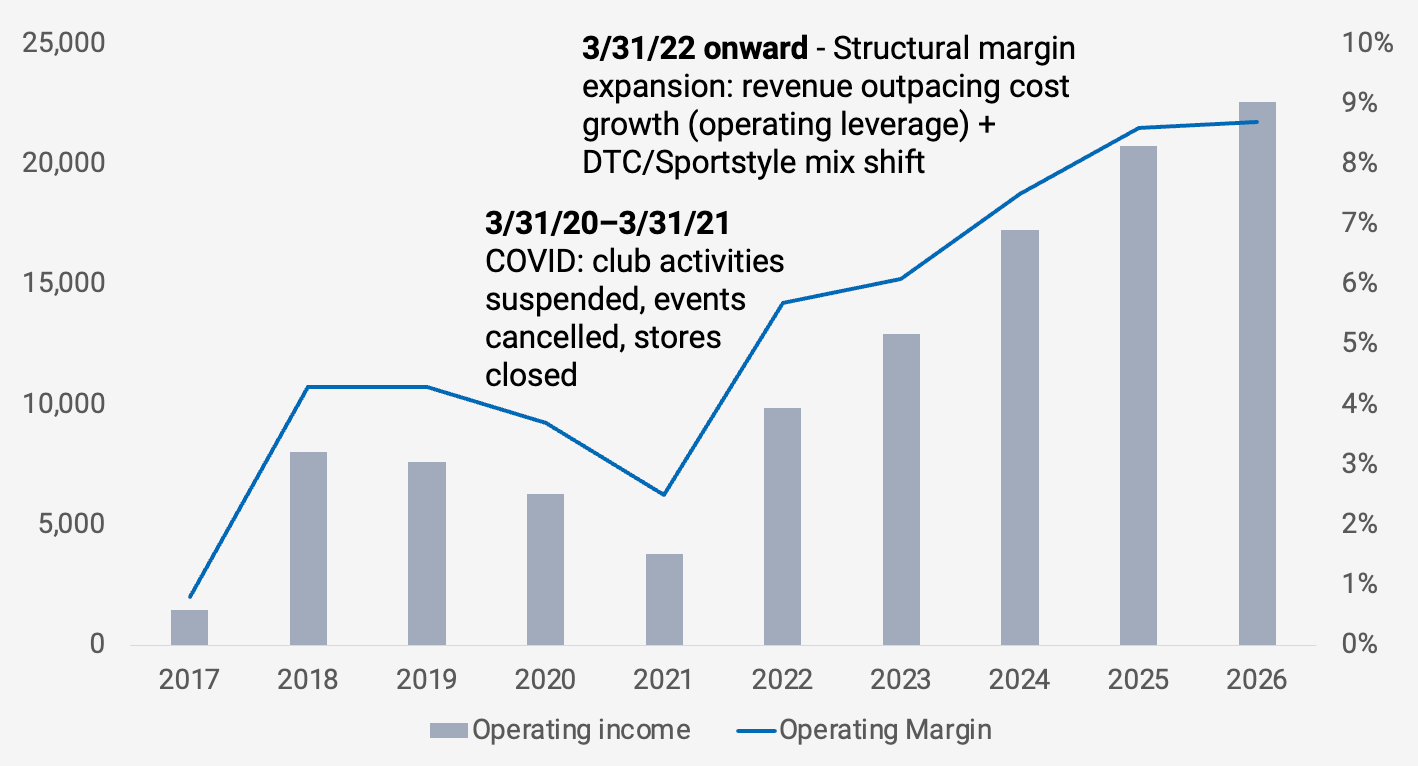
The business's strength began right after COVID-19. At the time, club activities were suspended, and stores closed. But from 2022 onwards, structural margin expansion followed a new focus on Mizuno's higher-margin direct-to-consumer business and Sportstyle products.
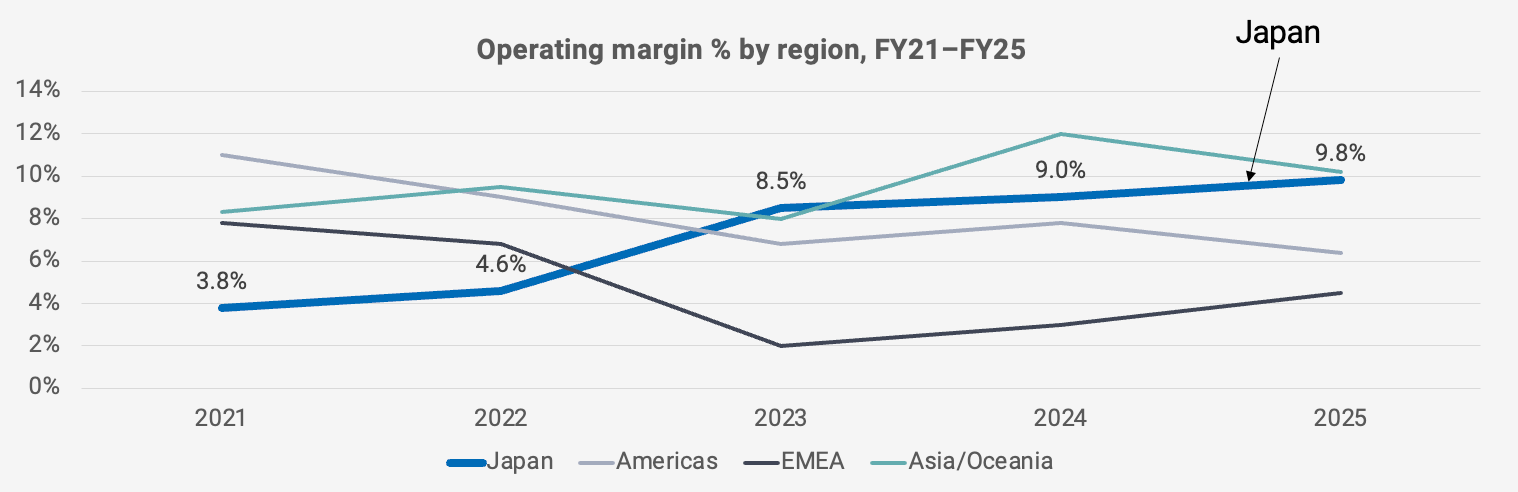
These improvements happened at the same time the Japanese yen was weakening. So it would be tempting to conclude that Mizuno has simply benefited from an FX tailwind.
But the story is not that simple. The core margin expansion has come from within Japan itself, which is a net importer and thus, if anything, hurt by the weak yen.
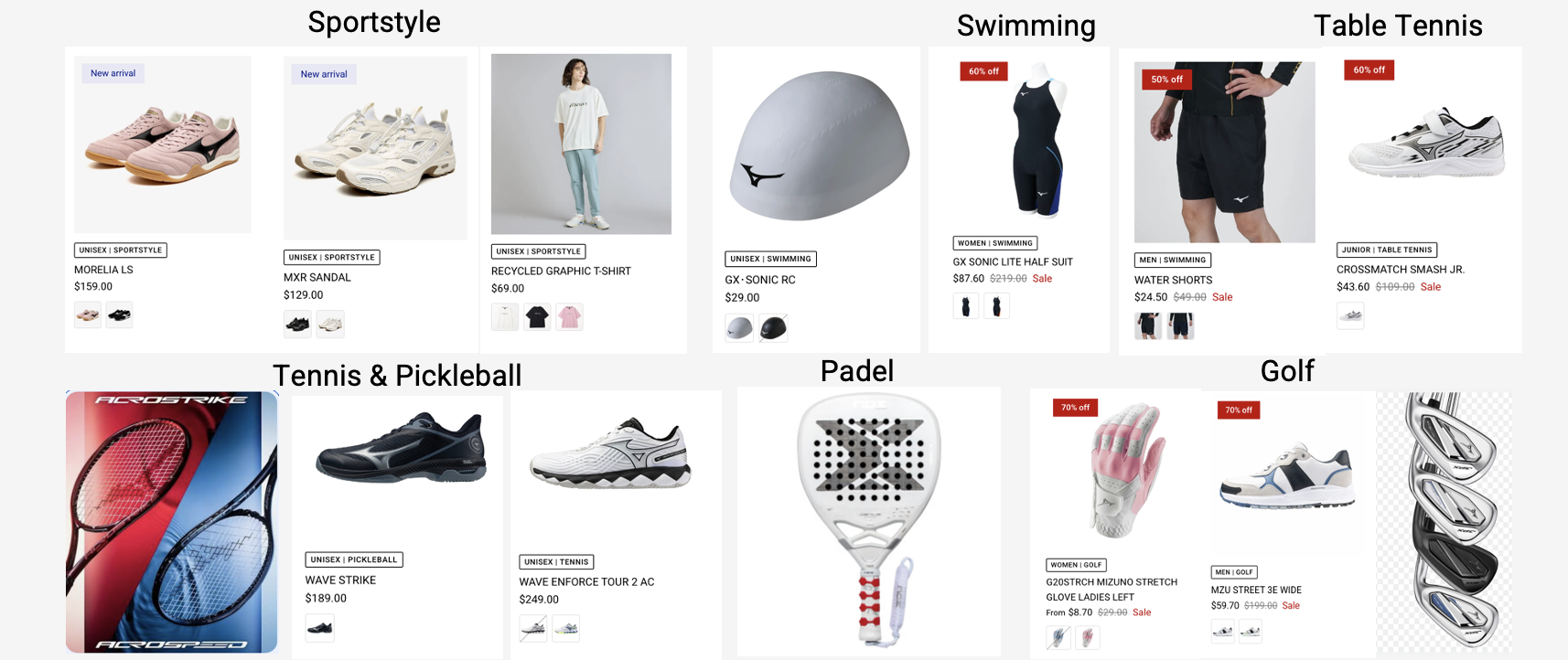
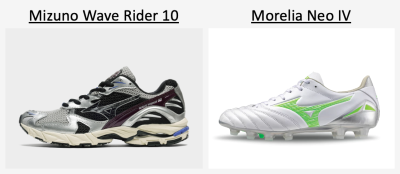
Mizuno's strength is more from hero products such as the Wave Rider 10 "Sportstyle" sneaker, the Morelia Neo IV football shoe and the JPX ONE golf club, which applies engineering borrowed from Mizuno's baseball bats. These golf clubs sold about three and a half times the previous model's volume in their first month. Mizuno's revenues from its Sportstyle segment have grown 9.5x since 2019, and revenues from football shoes have tripled.
The company is also benefiting from several long-term trends. For example, consumers have become more health-conscious in recent years. Health has become a mainstream lifestyle priority. Sportswear is increasingly worn in casual settings, driving Mizuno's Sportstyle segment. And finally, Mizuno is selling more online, helping it cut out the middleman.
Mizuno has a number of other businesses, for example, building and operating sports facilities within Japan, including its own golf schools and futsal courts. These are low-return-on-equity businesses and probably a drag on earnings growth.
What does the future look like then? In the mid-term plan, management targets JPY 330 billion in revenue, up from JPY 267 billion today. This will be driven by a further shift towards direct-to-consumer channels like e-commerce and Sportstyle products. The golf business continues to have momentum. The new cricket business in India and the retail expansion in Vietnam are two other bright spots.
One particularly exciting area is pickleball and padel — one of the fastest-growing sports globally, in a relatively unsaturated market. Mizuno does have exposure to these sports, though it's unclear whether they can be real contributors in the near term.

On the negative side, the tax rate will probably climb slightly, and FX translation effects on overseas revenue will slow down if the yen stabilizes. US tariffs on imported goods have dragged on North American margins, and there's no visibility into US tariff policy.
Today, the stock trades at 16x FY2027 earnings and 1.5x price-to-book. Management is guiding for relatively modest dividends of JPY 66 per share. A JPY 3 billion buyback is ongoing, but it represents only 1.0% of shares outstanding.
So what are the risks? One is that the Mizuno Foundation controls the business with an iron fist through its 17% plus Sumitomo Mitsui Bank's cross-shareholdings. The balance sheet is overcapitalized, and cash has been invested in investment securities rather than reinvested or returned to shareholders.
The bigger long-term question is whether Mizuno can ever become as culturally 'hot' as Asics — and that takes sponsorships, distinctive design, real marketing muscle. Areas where the company has not yet demonstrated it can compete.
Slides accompanying the deep dive are available here:


Further material:
- Mizuno's latest investor presentation
- Mizuno's FY2025 annual report