A temporary glitch?
Deep-dive: Coupang (CPNG US)

Hi! Welcome to a subscriber-only edition of Asian Century Stocks – a newsletter about Asian value stocks. For a complete list of all previous posts, check out the Table of Contents.
In the book Free Capital, the private investor Vernon talks about his strategy of buying growth stocks when they encounter "glitches" – temporary market overreactions to negative events.
I try to catch that company when nobody wants it, while it is still working through its problems” - Vernon
South Korean e-commerce operator Coupang (CPNG US – US$26 billion) is a test of that idea. The stock sold off after its cybersecurity breach in November 2025.
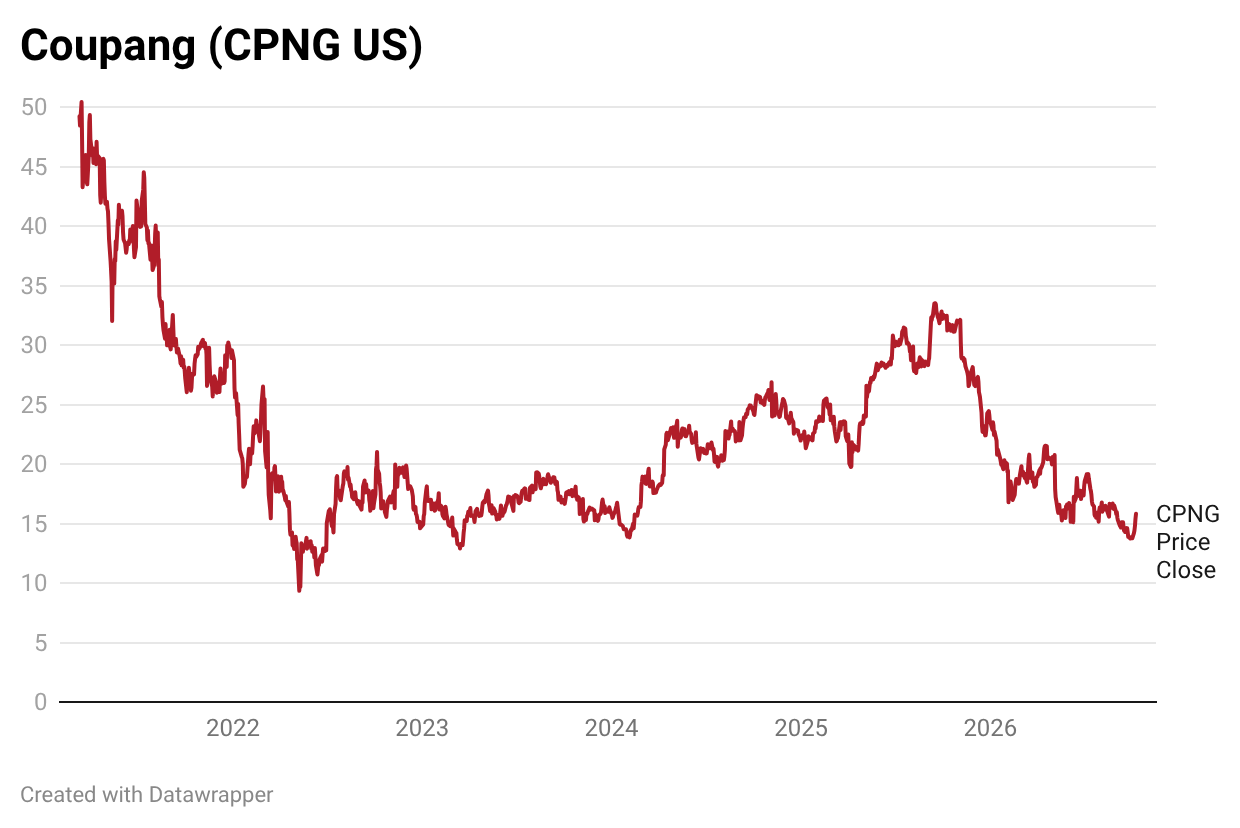
In this post, I'll try to figure out whether that was a glitch or a lasting change to the business.
The company was founded by Harvard Business School dropout Bom Kim, who initially pictured it as a Korean version of Groupon.
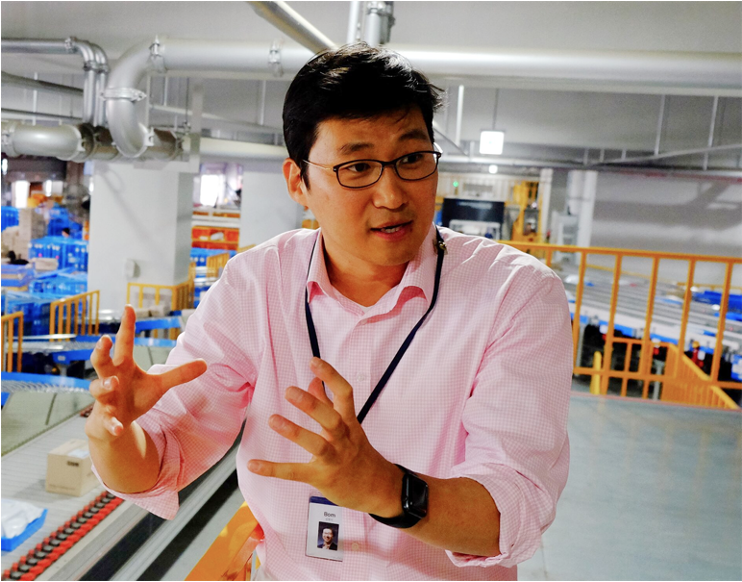
But he quickly realized that the Groupon business model had issues. Competition was too high, and customers quickly left the platform. Instead, he built Coupang into the South Korean version of Amazon's retail business: fast, reliable delivery of essential items.
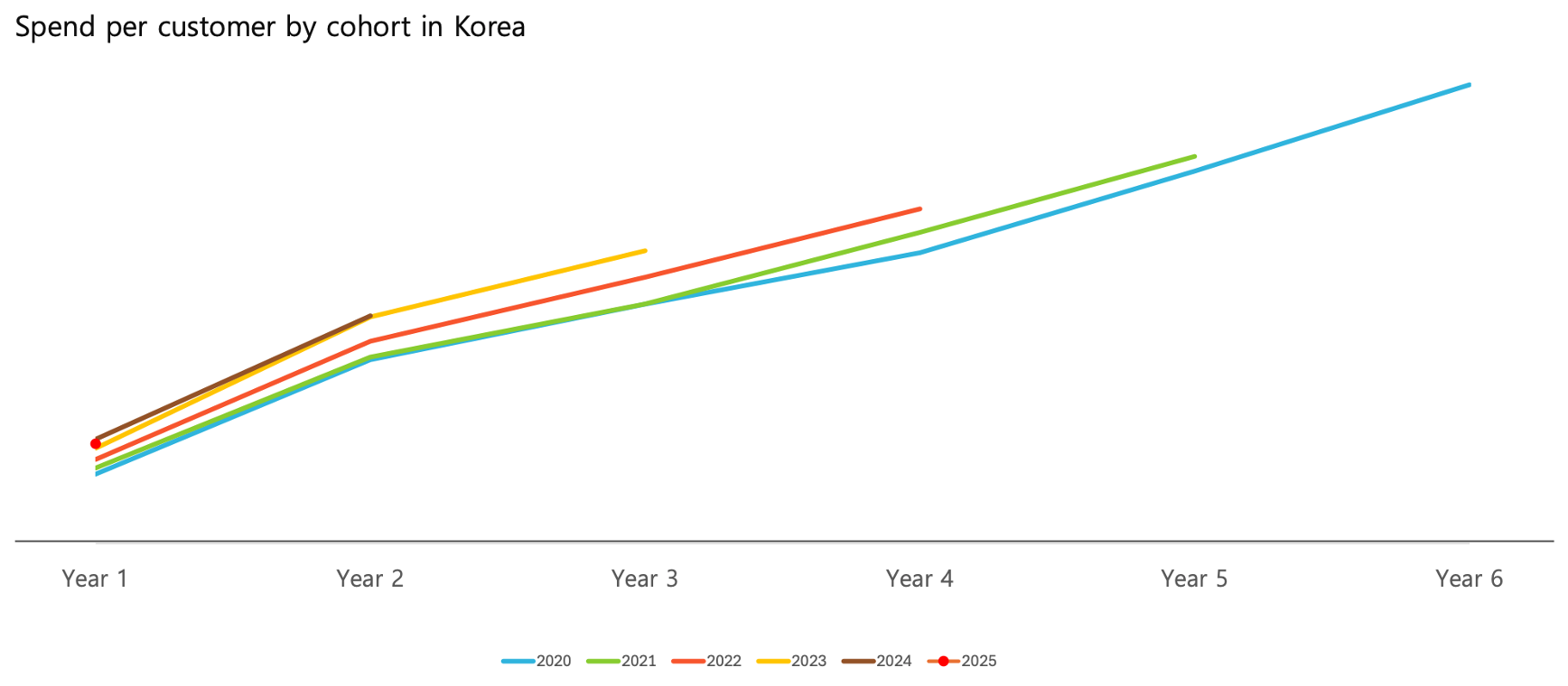
And it's worked wonders. Today, Coupang has roughly a 28% market share in South Korea's e-commerce market, with a cohort chart that's among the strongest I've ever seen – each group of new customers keeps buying more, year after year:
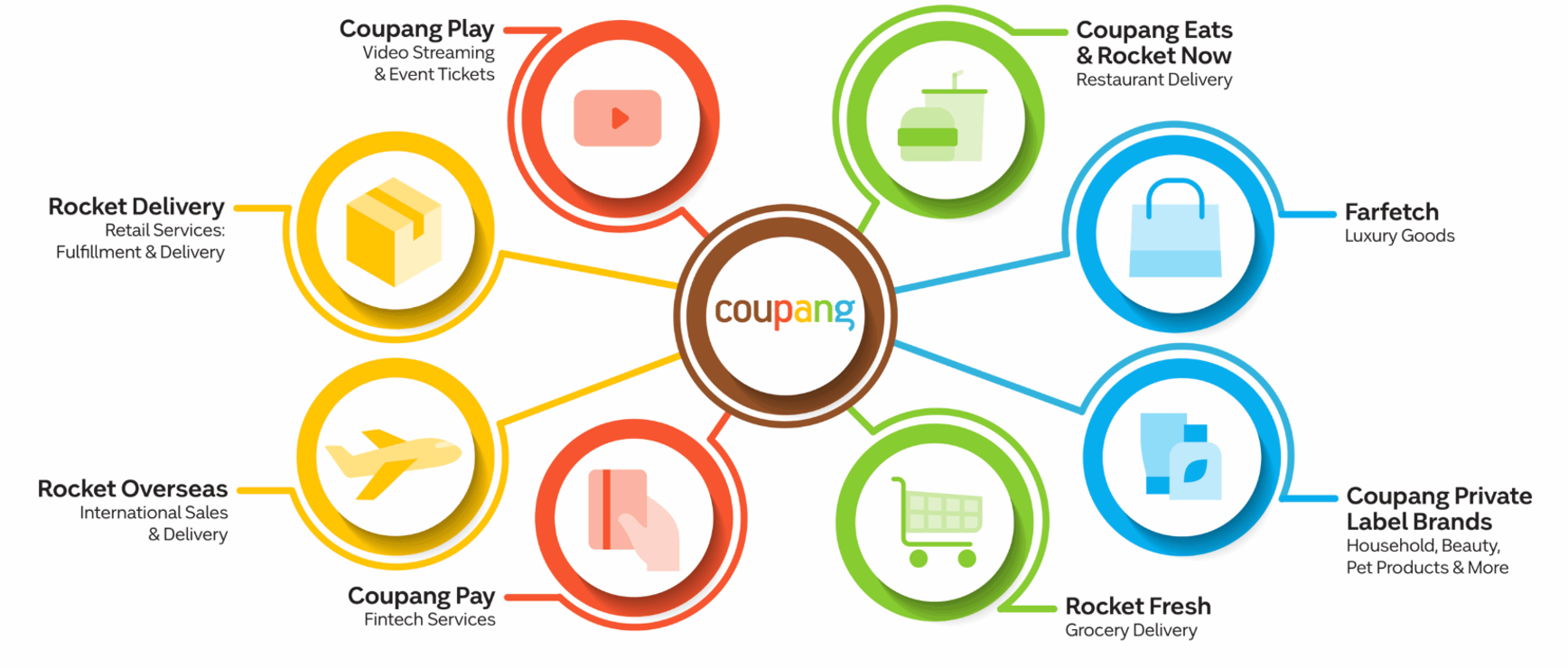
Just like Amazon has done with its Prime membership, Coupang has built its own membership club called "WOW". For KRW 7,890 per month (US$5.9), WOW members get unlimited free shipping, free returns, access to Coupang's online grocery service, discounts on fresh food delivery, access to the video streaming service Coupang Play, and special promotions.
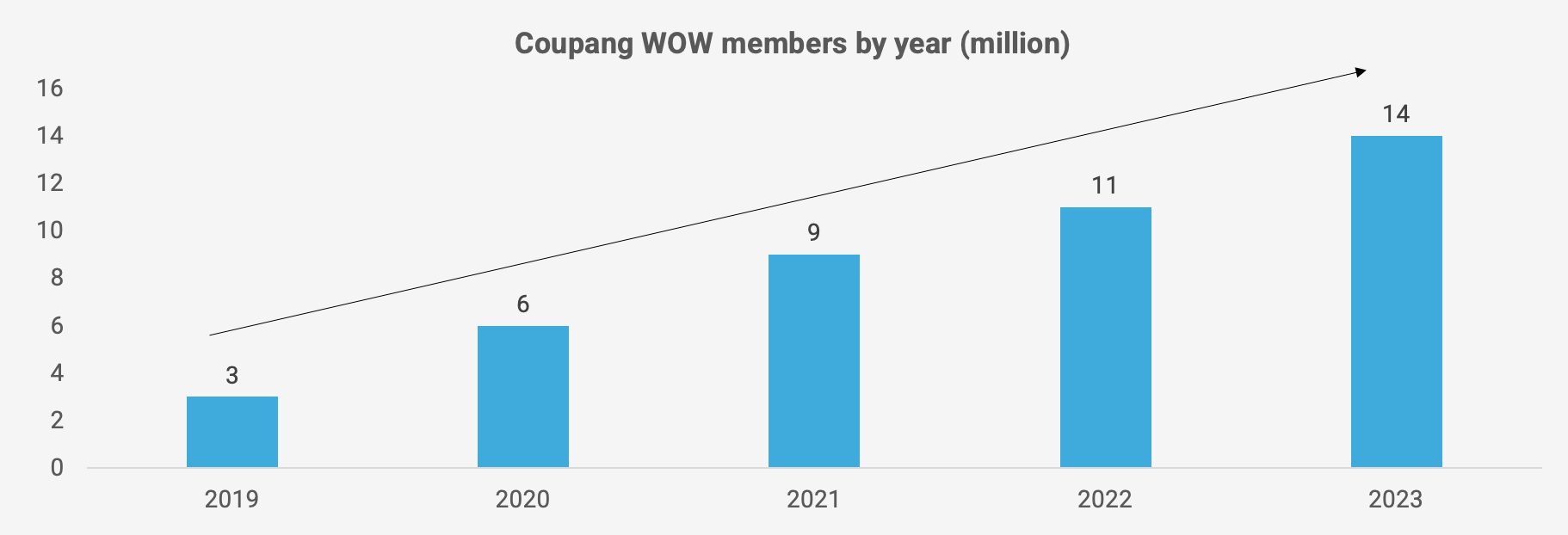
Coupang raised its WOW membership prices in 2024, slowing growth. It hasn't released the latest number yet, but it should be at least 14 million, for a country with only 22 million households.
The way WOW bundles services together makes switching away from the Coupang platform unappealing. In addition, Coupang has now built up such scale that it will be difficult for competitors to match it. The more customers it has, the more suppliers it can attract to its first-party e-commerce business. And the bigger the company, the better the return on Coupang's logistics infrastructure.
This bundling of services raises switching costs. And Coupang's economies of scale are arguably difficult to match. The more customers Coupang has, the more merchants it can attract to its first-party e-commerce business. And the bigger the company, the better the return on Coupang's excellent logistics infrastructure.
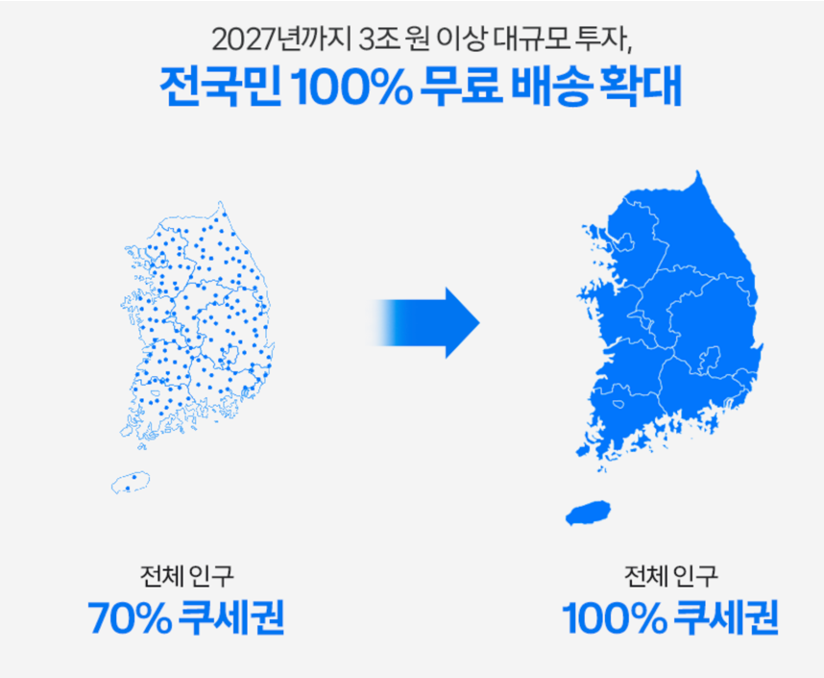
Coupang has roughly 78 million square feet of logistics infrastructure, with most of its 108,000 employees working in Coupang's warehouses. By 2027, Coupang aims to have close to 100% of South Korea's population living within 10 kilometers of a Coupang logistics centre, enabling same-day delivery for most customers.
You could even consider management to be a moat unto itself. In its presentations, Coupang describes five key tenets of its business: customer-centricity, embracing hard work, using technology to solve customer problems, growth in long-term cash flows, and a return-on-capital mindset. While the business is still in an investing phase with somewhat messy financials, it's rare to see a Korean business so explicitly target free cash flow generation and a high return on capital.
That Bom Kim is a brilliant businessman is important, because he's firmly in control of the business. He controls 100% of the B-shares, which carry 29x the voting rights as Coupang's A-shares. So betting on Coupang is very much a bet on him and his long-term ambitions.