Mandarin Oriental (MAND SP)
World-class luxury hotel group at 76% discount to NAV

Disclaimer: Asian Century Stocks uses information sources believed to be reliable, but their accuracy cannot be guaranteed. The information contained in this publication is not intended to constitute individual investment advice and is not designed to meet your personal financial situation. The opinions expressed in such publications are those of the publisher and are subject to change without notice. You are advised to discuss your investment options with your financial advisers, including whether any investment suits your specific needs. From time to time, I may have positions in the securities covered in the articles on this website. Full disclosure: I do not hold a position in Mandarin Oriental at the time of publishing this article. To reiterate, this post and the below presentation are for informational and educational purposes only - not a recommendation to buy or sell shares.
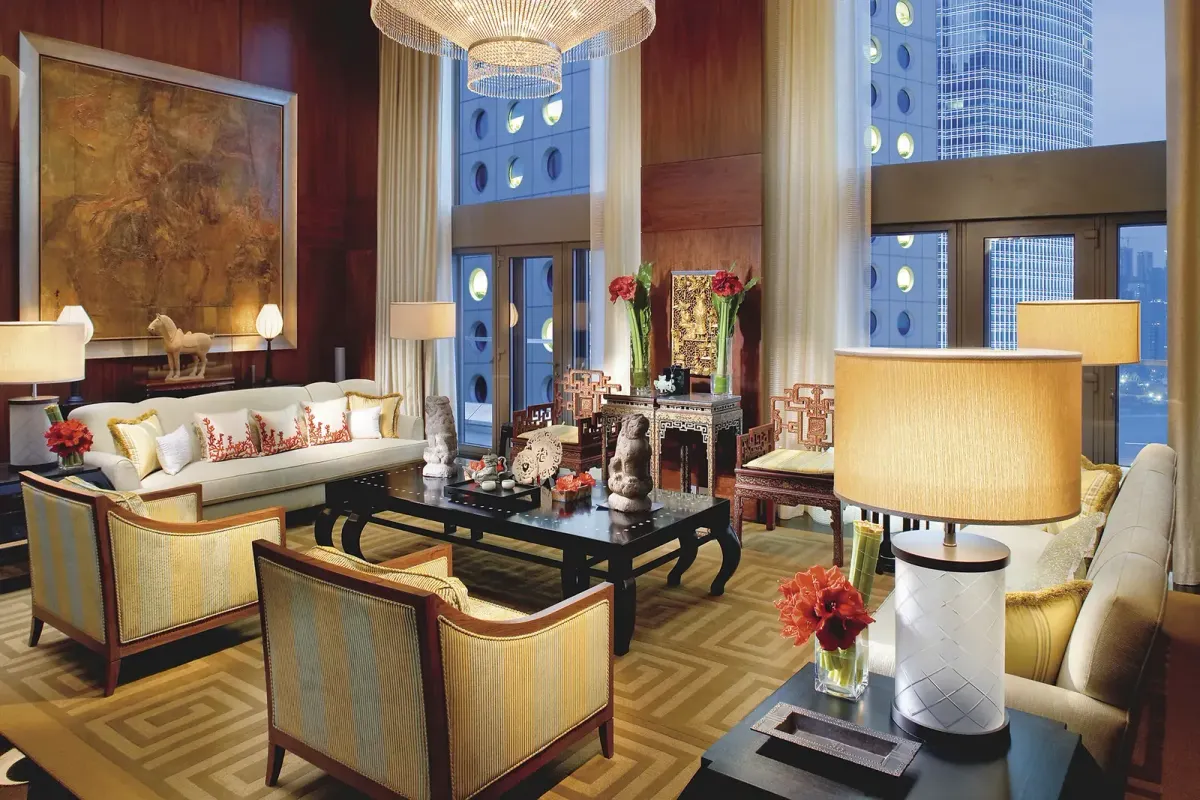
Mandarin Oriental’s (MAND SP—US$2.2 billion) five-star hotels are some of the best in the world.
But what many do not know is that Mandarin Oriental is a publicly listed entity. You can get exposure to the brand through its primary listing in London or secondary listings in Singapore or Bermuda. The company is part of the Jardine Matheson Group - an Asia-focused conglomerate with a rich history as a British trading house.
The hotel operations began with the construction of The Mandarin Hotel in 1963. Ten years later, the same group acquired The Oriental Hotel in Bangkok. By merging these two names, “Mandarin Oriental” was born, becoming a phenomenon in the global luxury hotel industry.
Today, the company operates 41 hotels globally, mainly under the Mandarin Oriental brand name. Twelve of those hotels are wholly or partially owned by Mandarin Oriental. The remaining 29 hotels are owned by third parties but managed similarly to their owned hotels.
The brand is incredibly strong. It’s associated with ultra-luxury experiences, up there with Four Seasons and Shangri-La. In the early 2000s, it launched an advertisement campaign with famous individuals such as Morgan Freeman and Michelle Yeoh saying, “I’m a fan.” This campaign was a massive success.
Reviews for Mandarin Oriental’s hotels are strong, too, with Booking.com scores of 9.0-9.5 across its core portfolio. Here are a few highlights from those reviews:
“The whole experience was spectacular. It was truly a perfect stay. The location, the room, the bed, the bathroom, room service, the gym, Sauna, and Jacuzzi have all been in use and are all amazing.” – Mandarin Oriental, Hong Kong
“Service is outstanding - quite possibly the best in the world. The rooms are excellent, extremely well appointed and designed to a high standard. A lot of thought and attention to detail has been given.” – Mandarin Oriental, Bangkok
“I won't be exaggerating when I say it was the best hotel experience my wife and I have ever had. Everything... I mean everything... was very close to perfection for us.” – Mandarin Oriental Jumeira, Dubai
Growth has been slow but steady. Mandarin Oriental’s overall hotel portfolio has grown at just 3% annually. But its managed portfolio of hotels is growing much faster at around 13% per year - without needing any additional capital investments on the part of Mandarin Oriental itself.
The group currently has 26 additional hotels in the managed hotel pipeline, planned for completion in the next five years. While growth suffered during the COVID-19 pandemic, the group has almost completely recovered from it. So, growth in the managed hotel portfolio should resume in the near future.
What’s particularly exciting about Mandarin Oriental is that it’s now finished the construction of its commercial property, One Causeway Bay. This office tower will have four floors of retail space and unobstructed views of the Victoria Harbour. It will be completed in the second quarter of 2025.
While it is true that Hong Kong’s office market remains weak, remember that the construction of One Causeway Bay has caused losses in the income statement over the past five years due to revaluation losses. And from 2025, it will finally contribute positively to the bottom line. Once completed, I believe One Causeway Bay will bring in an additional US$60-70 million operating profit.
Combined with growth in the managed hotel property portfolio, I get to earnings per share of US$14 cents, implying a 2027e P/E of 12.7x. This number is significantly below the 28x pre-COVID average.
The only question mark I have is Mandarin Oriental’s corporate governance. There’s a large overlap between the boards of Mandarin Oriental, its sister company, Hong Kong Land and its parent company, Jardine Matheson.
Mandarin Oriental has historically paid out 70-100% of earnings as dividends, so you can expect the dividend yield to return to decent levels after One Causeway Bay is completed by the second quarter of 2025.
At the same time, I can’t help noticing that the decision to redevelop Excelsior Hotel was terrible. Back in 2017, it received offers of US$3.8 billion for the hotel. Yet they decided to redevelop it into a commercial property instead, spending almost US$1 billion in capital expenditures to get a property worth no more than US$2 billion today.
Another point of contention is the privatization of Jardine Strategic. In 2021, the parent company, Jardine Matheson, privatized Jardine Strategic at a 30% discount to net asset value. Minorities wanted a higher price but had limited bargaining power against the parent.
With Jardine Matheson increasing its stake in Mandarin Oriental from 74% in 2018 to 80% today - breaching the 25% UK free float requirement - I suspect that Mandarin Oriental could also be privatized. The only question is: will minorities get a better deal this time around?
Still, the hotel portfolio and brand are incredibly strong, and I see potential for further growth. While building One Causeway Bay may not have been a sound financial decision, it is a trophy asset that should be worth almost as much as Mandarin Oriental's entire market cap.
At a 76% discount to my net asset value per share and no debt whatsoever, you can certainly add Mandarin Oriental to a long list of Hong Kong property companies trading at bargain-basement valuations.
Click the “Download” button below to access the full PowerPoint presentation: