Interview: Andrei Stetsenko
India-focused investor at Gymkhana Partners

Hi! I'm Michael. This is a free-to-read edition of Asian Century Stocks – a newsletter about Asian value stocks. New to the publication? Sign up here.
1. Hi Andrei! Thanks for doing this interview. Can you tell us a bit about your background and how you ended up investing in India?
I joined my now-partner Steve Farley as an equity analyst a couple days after graduating from Princeton in 2010. My first few years working with Steve included trips to visit companies in Brazil, China, Denmark, Germany, India, Mexico, Sweden, Switzerland, and the UK.
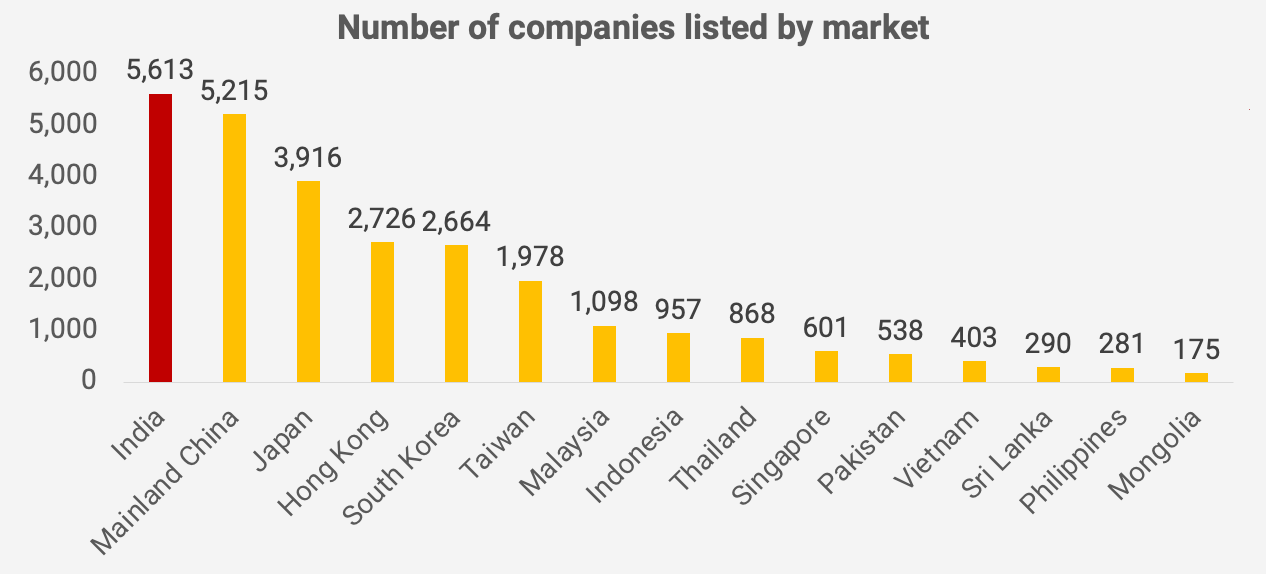
Shortly after our first visit to India in 2012, we concluded that no other emerging market could come close to rivaling India’s sheer scale, decades-long runway for continued compounding growth, or unmatched opportunity set consisting of >5,000 listed companies characterized by low institutional ownership, sparse professional analyst coverage, substantial long-term outperformance by mid- and small-cap stocks, and limited correlation with global indices.
We purchased our first Indian securities in 2013 and only became more enthusiastic about the opportunity over the course of subsequent visits.
In 2014, Narendra Modi’s Bharatiya Janata Party (BJP) came to power and embarked upon what in retrospect has constituted the most significant period of economic liberalization in India’s history since the whirlwind of reforms that followed the country’s 1991 balance of payments crisis. (As discussed below in further detail, the Modi administration’s prudent economic policies have been icing on the cake of the myriad other powerful factors underpinning India’s long-term growth.) By 2015, 10% of our firm’s capital was invested in Indian companies.
As we built deeper expertise in the Indian market and our focus there grew, it became clear that our India holdings warranted their own dedicated structure – one that would let current and future partners invest directly in our India strategy on a standalone basis, while allowing our firm’s two older partnerships to reduce the transaction costs and operational complexity associated with each directly owning Indian securities. To that end, in 2017 we established Gymkhana Partners, and our two other partnerships allocated 15% of their capital to that new vehicle.
Today, Gymkhana is a roughly $50 million AUM India-dedicated fund. ~70% of Gymkhana Partners’ capital is attributable to the investments from our other two partnerships, ~15% is attributable to the general partner (i.e., primarily Steve and me), and the remaining ~15% is attributable to a dozen or so limited partners who heard about Gymkhana largely via word of mouth – as it was only within the past year that we began publicly marketing the fund (Gymkhana did not even have a public website until August 2025).
2. Tell us about Gymkhana’s investment strategy. How do you gain an edge in a market like India? And what do you think most investors get wrong about the market?
Many investors glance at the typically high price/earnings ratios of India’s largest-capitalization stocks (which also constitute its best-known equity indices) and conclude that India’s high P/Es discount these companies’ future earnings so much as to make them uninteresting as prospective investments. The mistake many investors then make is to “tar with the same brush” and never take the time to research the rest of India’s vast equity market, which is home to more listed companies (>5,000) than the NYSE and NASDAQ combined.
I agree with the conclusion that much of the future earnings growth of many of India’s largest-cap stocks is already priced into their valuations. Yet most India-dedicated capital is still crowded into various combinations of those same blue chips: e.g., Infosys (INFY US — US$47 billion), HDFC Bank (HDB US – US$118 billion), Reliance Industries (RELIANCE IN – US$179 billion), and Tata Consultancy Services (TCS IN – US$91 billion). Meanwhile, smaller-cap Indian companies are simply not on the radars of most foreign investors, barely followed by professional securities analysts, and owned primarily by insiders and retail (rather than institutional) Indian investors. U.S. investors, especially, seem to have been conditioned in recent years by the dominance of the “Magnificent 7” tech titans to believe that smaller-caps aren’t worth spending any time on.
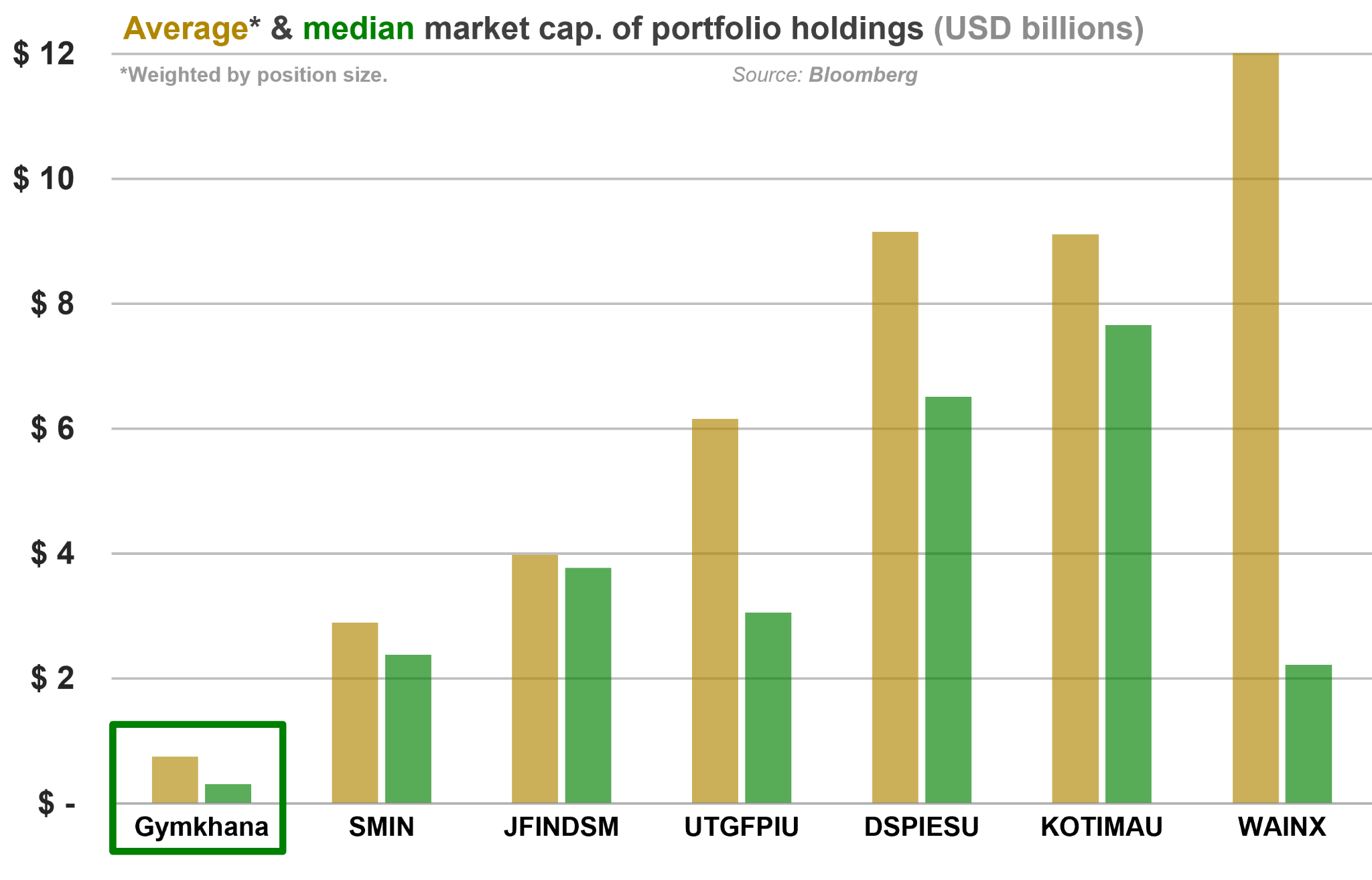
As a result, opportunities abound for investors willing to do the work of learning about, visiting, and appraising overlooked and often mispriced Indian businesses. Most of Gymkhana’s portfolio companies are not covered by any sell-side analysts whatsoever, and >95% of our holdings do not overlap with the disclosed positions of any major India-dedicated mutual fund or ETF. Our portfolio’s position weighted-average market cap is well under $1 billion – compared to the multi-billion USD average market caps of India funds such as the iShares MSCI India “Small-Cap” ETF (SMIN US – US$697 million) and JPMorgan India “Smaller Companies” unit trust (JFINDSM MP – US$22 million).
Continual on-the-ground research is the only way to keep up with this opportunity set, particularly as it expands continually thanks to India’s steady pipeline of new listings (2025 saw a record number of IPOs and a record amount of capital raised). While many U.S. IPOs result from a private equity firm needing an exit at the end of a fund lifecycle, the typical Indian IPO more closely resembles the kind of initial public offering you might read about in a macroeconomics textbook: a high-quality, growing business that needs capital to fund a new factory big enough to support an anticipated doubling or even tripling of sales within the next few years.
Over the course of my and Steve’s 38 combined trips to India since 2012, we’ve visited hundreds of management teams across the country – not just in the major hubs of Bengaluru, Delhi, and Mumbai, but also in smaller cities such as Coimbatore, Kolhapur, Mysuru, and Vadodara.

Most of the >700 meetings we’ve held with Indian management teams over the years didn't lead to a purchase. But from almost every meeting we’ve gleaned some useful piece of information that we then added to a proprietary database that may be the single most valuable piece of proprietary work I've produced in my sixteen years as a securities analyst. That database contains quantitative metrics covering more than 2,000 companies – both those we've met and those we hope to meet down the road. More importantly, our database also compiles qualitative notes on scuttlebutt, rumors, news items, offhand remarks, and other informal intelligence gathered over countless conversations with managers, journalists, fellow investors, and other local contacts – covering not only prospective investments, but also their suppliers, customers, and competitors.
Steve and I occasionally split up on these trips to cover more ground, but we make a point of spending part of each one working side-by-side with Nireeksha Makam, our full-time India-based analyst. Doing so lets the three of us compare notes and decide what to dig into next during the stretch between Steve's and my return to the U.S. and our next videoconference together. We also set aside time on every trip to reconnect with – and expand – our circle of businesspeople, investors, financial journalists, and other contacts in India. That network has been indispensable over the years, especially in helping us vet companies and controlling shareholders on governance, management quality, and basic integrity.
3. What’s the top-down bull case for India in your view, and what do most investors get wrong about the market? Do you expect India to eventually follow China’s steps in becoming a manufacturing superpower?
I regularly encounter people with hopelessly outdated mental pictures of India, and don’t let them escape the clutches of conversation with me until I’ve brought them up to date on the facts about modern India: a burgeoning industrial powerhouse that is a huge net exporter of food, a major global player in sectors including chemicals, pharmaceuticals, precision engineering, and business services, and the world’s biggest market by daily users for ChatGPT, Claude, Gemini, Instagram, WhatsApp, and YouTube.
With the possible exception of outer space, there is simply no other emerging market today that compares to India. Even many investment professionals don’t seem to appreciate the pace of India’s economic development, the durability of the factors that can be counted on to sustain rapid growth for decades to come, or the ways in which investors can profit from that compounding growth.
First, India’s economy is growing at roughly double the rate of global GDP. India’s nominal USD per capita income is up sevenfold over the past three decades to ~$2,800. Even at today’s still-low level of average income, India is already the world’s 3rd-largest economy on a purchasing power parity basis, and will soon eclipse Japan as the 4th-largest in nominal terms.
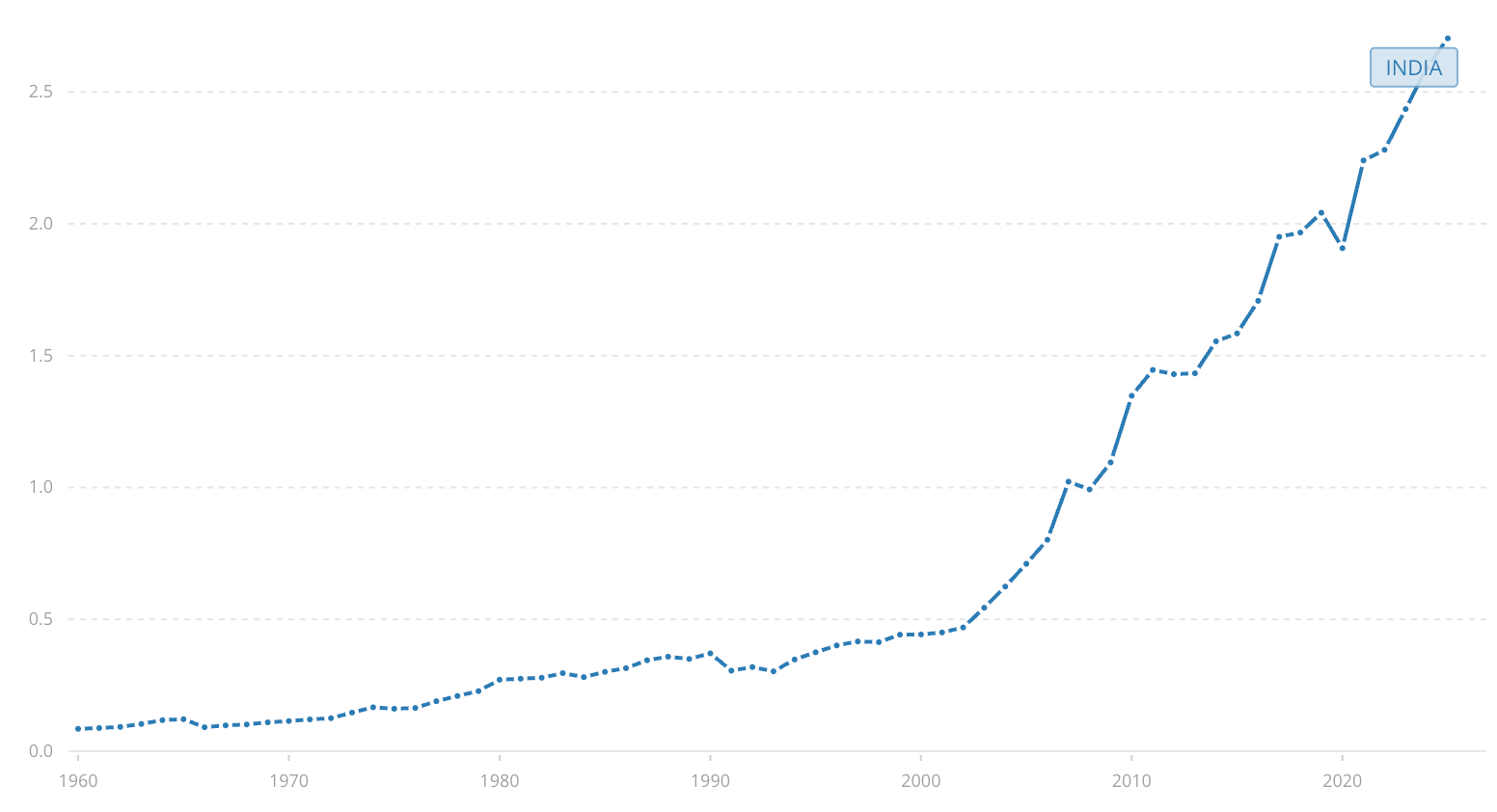
On an inflation-adjusted basis, India’s current per capita GDP implies that, in terms of its development trajectory, India is roughly a generation behind Mainland China or half a century behind South Korea. In those and other now-wealthier economies, when GDP per capita reached the level around where India’s GDP per capita is today, it heralded the start of a boom in discretionary spending. A newly urbanized Indian worker who doubles his household’s overall income (say, from $2,500 to $5,000) typically facilitates even faster expansion in his household’s consumption of non-essential goods and services. Such a household will tend to boost its spending on bare necessities such as housing and food, but at a pace slower than its increase in overall income (say, from $2,000 to $3,250), resulting in drastically faster growth in the disposable income that remains available for non-essential spending (in this case, from $500 to $1,750). Indians’ burgeoning disposable incomes mean that growth in certain industries, from apparel to financial services to healthcare to travel, is outpacing even the world-leading growth in India’s overall GDP.
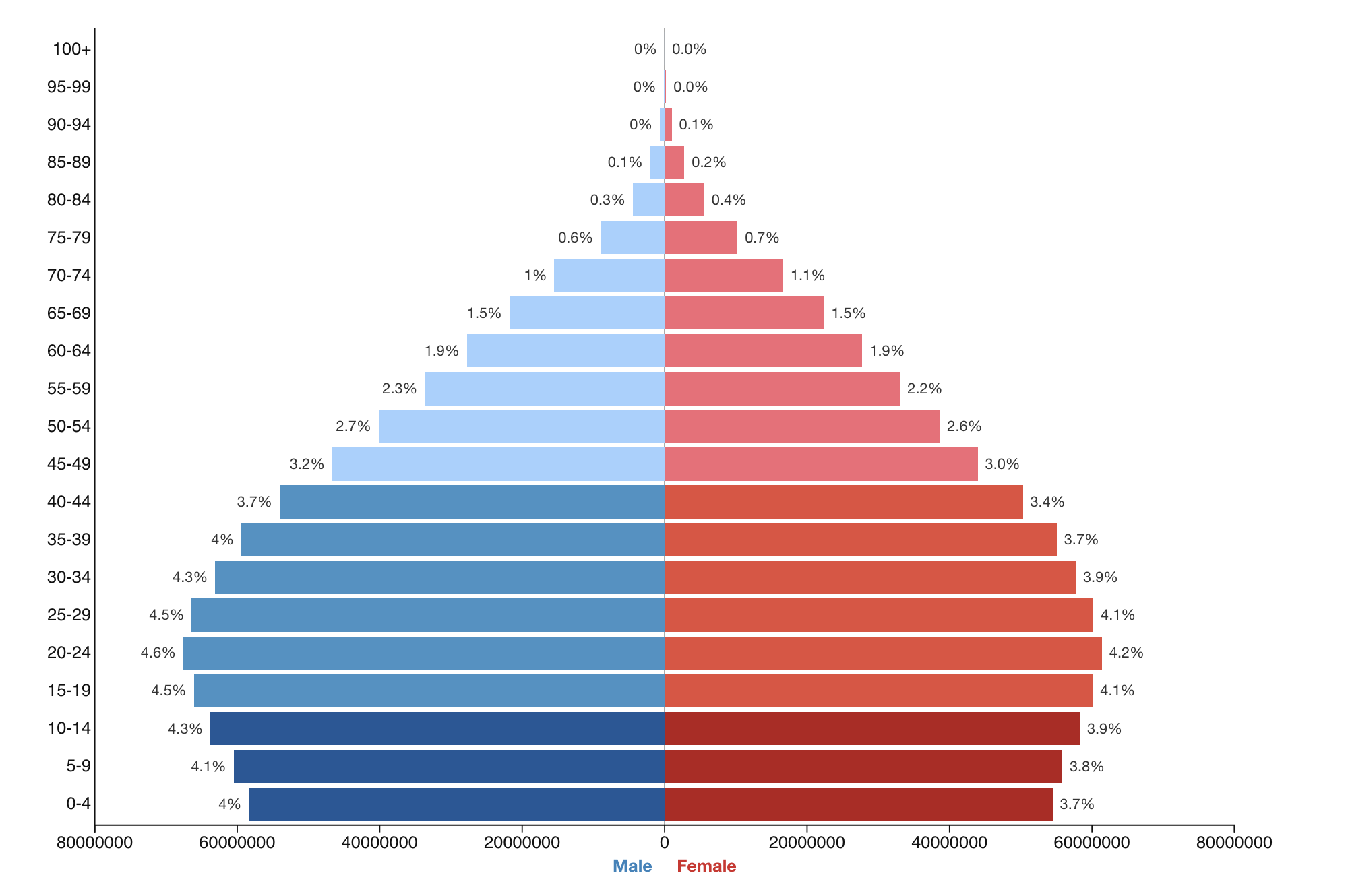
Second, while GDP growth in China and other emerging markets has not translated well into corporate earnings growth, India exhibits the highest correlation between GDP and earnings growth of any large emerging market. The Indian economy’s basic structure is much more comparable to the U.S. than China in that, despite its vast scale and significant participation in global trade, it is primarily driven by growth in domestic consumption and consequently largely insulated from trade wars. The earnings growth of India’s listed companies is driven by simultaneous and complementary macro factors including exceptionally favorable demographics (with the youngest median age among the world’s 30 largest economies), accelerating urbanization (India’s <40% urbanization rate is roughly analogous to 1968 South Korea or 1895 America), and market-friendly governance (recent years have seen transformative reforms to taxation, interstate commerce, bankruptcy proceedings, and state-owned enterprises) – a combination of tailwinds that was, and remains, unique among the world’s major economies.
Third, a largely overlooked but transformative shift in the allocation of Indian household wealth is helping to drive a virtuous cycle that is deepening India’s equity markets, channeling record capital to the businesses underpinning the nation’s world-leading GDP growth, and (by increasing the share of India’s equity market that is domestically owned) further decoupling Indian stocks from global volatility.
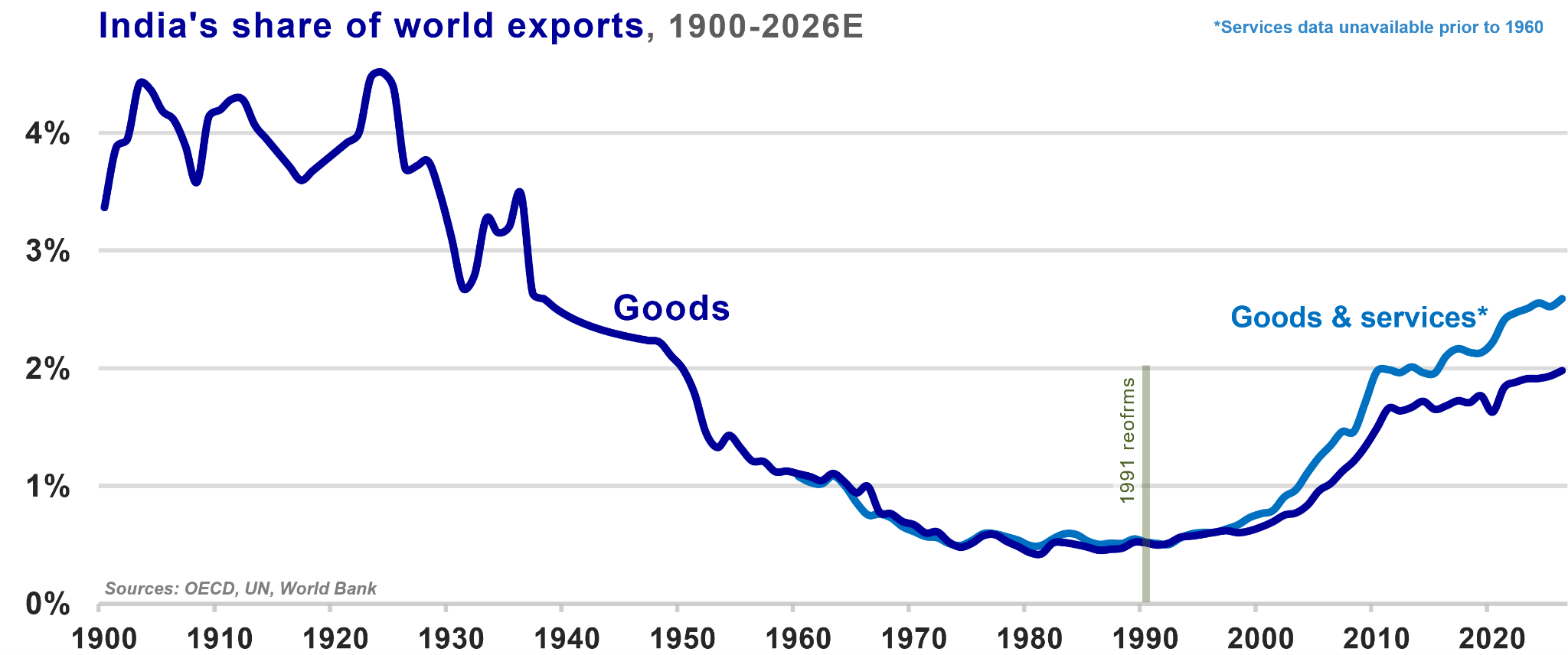
Fourth, India is already following China’s steps toward becoming a manufacturing powerhouse. Malaysia, Thailand, Vietnam, and other economies in the region are also benefiting from multinationals’ diversification of supply chains away from China. India, however, offers an unrivaled combination of attractions, most notably a vast, booming domestic market, a concerted government effort to incentivize the establishment of new factories, and an abundance not only of cost-competitive low-skilled labor but also of English-speaking graduates with engineering and other technical skills.
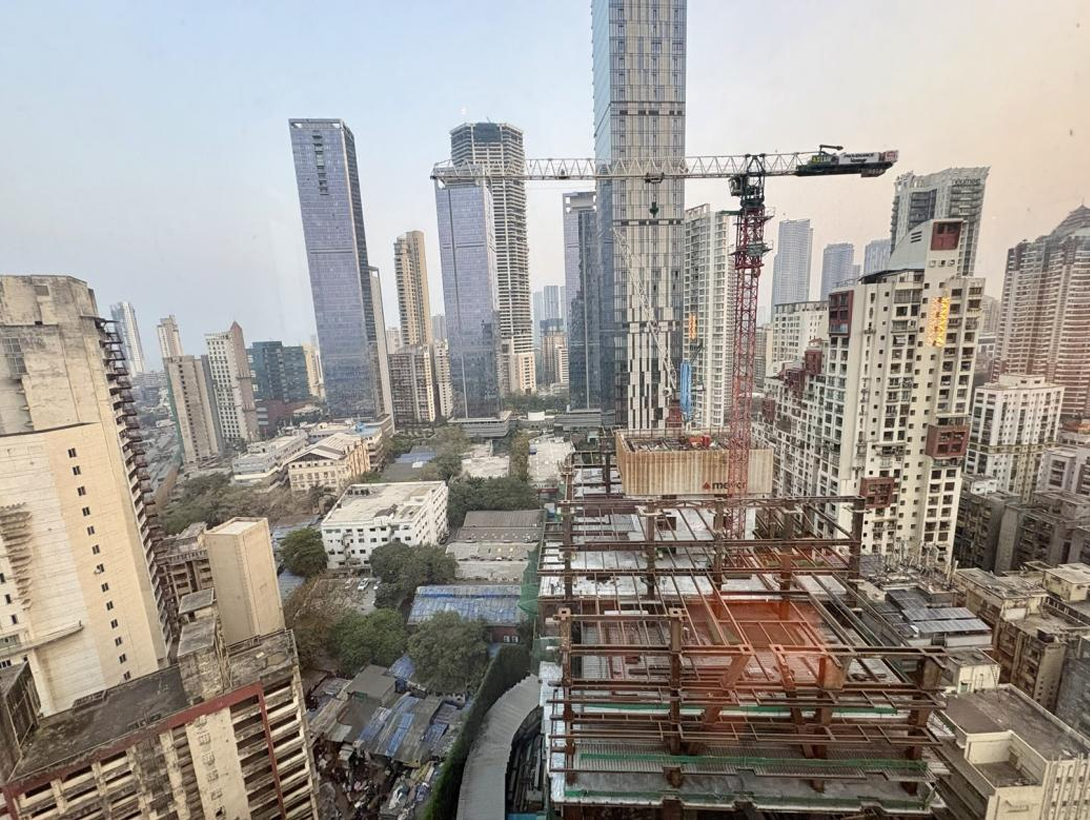
India now supplies >25% of the world’s iPhones (up from 0% a decade ago), and is also expanding its share of global supply chains for pharmaceuticals, industrial equipment, semiconductors, LCD displays, data storage devices, and EV batteries. Finally, its youthful digital-native citizenry, ubiquitous low-cost mobile broadband, robust digital infrastructure, and tech-friendly government make India fertile ground for digital innovation, including deployment of artificial intelligence.
4. The Indian market has traded at relatively high multiples over the past few years, before coming off since 2024. What’s the reason for these valuation multiples, and how have you dealt with them as a professional investor?
Unless we restrict our definition of “the Indian market” to mean the benchmark indices comprised of the largest 50 or 100 Indian companies by market capitalization, then I’d challenge the premise of this question. Yes, India’s largest companies (and the indices they comprise) tend to trade at rich P/Es. But move down the market-cap table past the top 50 or 100 names, and there's no shortage of high-quality, well-run businesses selling at far more modest multiples, though they also sit squarely in the path of India's broader growth story. This group includes companies serving fast-growing domestic demand across categories like financial services, pipes and fittings, and agrochemicals; businesses supporting the country's nationwide infrastructure buildout; and exporters whose cost advantages are wide enough that an occasional tariff increase barely moves the needle.
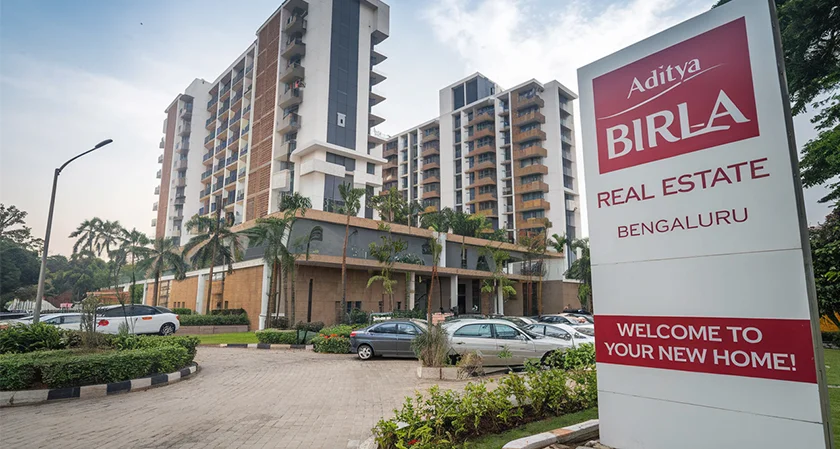
Smaller-cap Indian stocks tend to be mispriced due to being overlooked, and many are overlooked because the most interesting things about them are buried deep in the annual report notes, or comprehensible only to someone with an understanding of the historical/economic context. For example, companies such as Bharat Bijlee (BIJL IN – US$298 million; an electric equipment manufacturer that owns roughly 30 acres of unutilized land in Mumbai’s fast-developing eastern suburbs) and Century Textiles (ABREL IN – US$1.6 billion; a former textile mill operator recently rebranded as Aditya Birla Real Estate) are, in our view, significantly undervalued given that conservatively-estimated market values of land they acquired decades ago represent a meaningful percentage of the companies’ current market capitalizations.
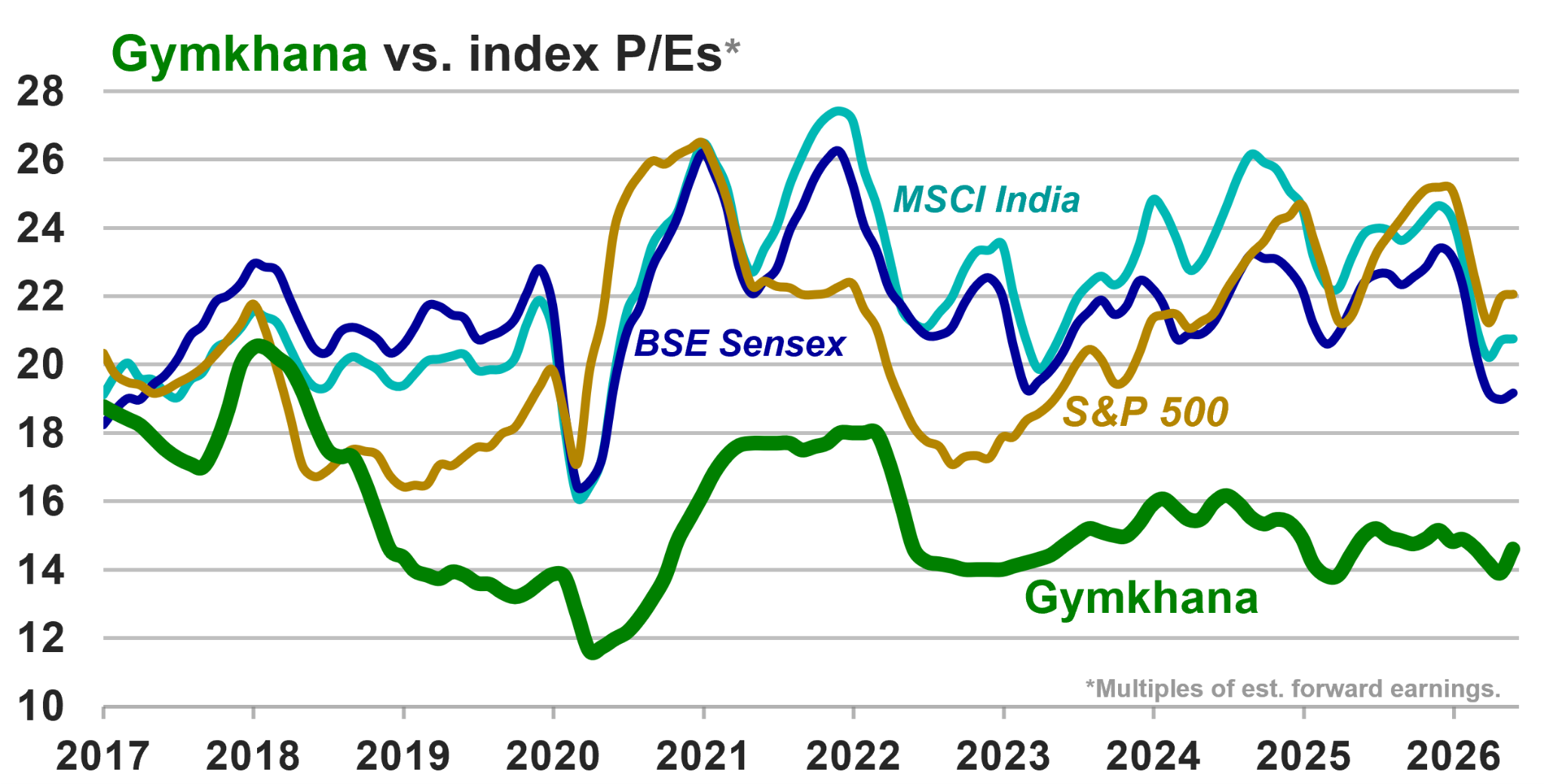
Compared to Indian equity indices and listed India mutual funds/ETFs, Gymkhana is “underweight” pricey financial and consumer stocks, and “overweight” agricultural, chemical, and industrial businesses. We don’t own any of India’s 250 largest companies by market cap, and on a position-weighted basis, our portfolio trades at <15x forward earnings – a significant discount relative to the Sensex, MSCI India, S&P 500, and other major indices.
Our archetypal investment enters the portfolio as an underappreciated small-cap, is held for many years as earnings compound, and is ultimately profitably divested when we observe share price appreciation being driven primarily by multiple expansion (i.e., overdue recognition by other market participants) rather than by growth in underlying earnings. That diligence with respect to paring/divesting maturing positions, in turn, provides us with capital that we may re-deploy into comparatively lower-P/E investment candidates.
5. How do you deal with corporate governance, as India has historically been plagued with scandals like with Satyam Computer Services back in the 2000s?
Evaluating the quality of corporate governance is the single most important step in our research process. Growth rates and valuation multiples mean little if the people running the business are dishonest or unethical.
Early on, Steve and I made the mistaken assumption that the listed Indian arms of blue-chip multinationals would rank highly on measures of corporate governance. These MNC subsidiaries – names like ABB India (ABB IN — US$16 billion), Colgate-Palmolive India (CLGT IN — US$6.1 billion), Maruti Suzuki India (MSIL IN – US$45 billion), and Nestlé India (NEST IN — US$30 billion) – exist because of foreign-ownership restrictions dating back to the 1970s. Those restrictions were largely lifted after India’s post-1991 economic liberalization, but the mechanics of buying out minority shareholders in these units have remained cumbersome enough that many delisting efforts have failed (SEBI, the market regulator, has in recent years introduced reforms aimed at easing this). As a result, a number of these multinationals now view their Indian units less as businesses to grow and more as sources of cash – pulling out an increasing share of profits by arbitrarily increasing the royalty percentages paid to the parent, leaving less for reinvestment or equitable distribution to all shareholders.
By contrast, some of the best governance we've come across in India sits with family-run businesses led by first- or second-generation founders. These owner-operators tend to allocate capital far more carefully – and deliver better outcomes for minority shareholders like Gymkhana – than many "professionally" managed boards at companies with such diffuse ownership that key decisions get made with the indifference of people spending someone else's money. Many of the management teams we meet aren't accustomed to institutional investors, let alone foreign ones, and often aren't fluent in Wall Street terminology – which isn't necessarily a bad sign. We've sat across from founder-CEOs who knew every detail of their ball-bearing or polymer-masterbatch businesses but hadn't yet learned to express that knowledge in terms like return on equity, simply because no one had asked them to before. On the other hand, we've learned to be wary of managements that are unusually polished, since that kind of veneer often reflects a focus on generating investor enthusiasm rather than on improving the fundamentals of their business.
As far as best practices for detecting and avoiding governance red flags, a decade ago governance problems were often visible right in the annual report – an unlisted affiliate quietly collecting large related-party payments for vague services, for instance. More recently, even founders with looser ethics seem to have generally figured out that growing their market cap serves them better than crude extraction. That doesn't mean red flags have disappeared – they've just gotten harder to spot.
We have developed a process for identifying governance red flags that pairs our own diligence with input from a local expert ecosystem we’ve put enormous time and effort into building. Accordingly, any would-be Gymkhana rival could not replicate our approach without spending the years and years we did cultivating an on-the-ground network of Indian executives, financial journalists, local investors, and other contacts spanning public and private markets, domestic and foreign institutions, and a cross-section of investing philosophies and vantage points. If even one contact within our network is apprehensive about a prospective investment’s governance, that’s our sign to stop wasting time and move on. Conversely, we generally want to hear good things from multiple authoritative sources about both the ethics and intelligence of a company/management before we accumulate a substantial position in its shares.
Finally, one simple rule has served us well in India: steer clear of industries where success depends more on political connections than on operating ability. That rules out mining, telecoms, and utilities – and, perhaps less obviously, dairy, which years of research convinced us is too often entangled with Indian politics to invest in comfortably.
6. Tell about SEBI’s reform agenda, and how it impacts the case for owning Indian holding companies?
Gymkhana holds stakes in over a dozen listed Indian holding companies (a.k.a. “holdcos”) trading at discounts to the market values of their stakes in listed operating affiliates that range from ~45% to as high as ~85%. Of course, just because an Indian holdco sells at a discount to its sum-of-the-parts value is not enough to make it a good investment. We own the ones we do because they allow us to gain exposure to high-quality, earnings-compounding operating businesses at effective P/Es drastically lower than what we would have paid buying those underlying stocks directly.
Notable examples include Gymkhana portfolio companies Maharashtra Scooters (MHSC IN – US$1.5 billion) and Chola. Financial Holdings (CHOLAHLD IN – US$3.0 billion), whose ~50%-60% discounts to their respective sum-of-the-parts values allow us to indirectly gain exposure to outstanding underlying businesses including Bajaj Finserv (BBJFIN IN — US$32 billion) and Chola. Investment and Finance (CIFC IN – US$16 billion) at effective P/Es drastically lower than what we would have paid buying those underlying stocks directly.
India’s markets regulator SEBI recently unveiled multiple reforms aimed specifically at narrowing the very wide gaps between listed holdcos’ market and book values. While such a narrowing is not integral to our investment thesis, we wouldn’t be surprised if it happened sooner than many other Indian market participants seem to expect. These SEBI reforms include newly-introduced annual special call auctions intended to improve “price discovery” of otherwise illiquid holdco stocks, streamlined procedures by which holdcos can distribute to their stockholders their (the holdcos’) stakes in other listed companies, and simplified offer/counter-offer processes by which holdcos can attempt to buy out minority shareholders.
7. On a recent podcast, you discussed the potential value unlock in Maharashtra Scooters. Could you give us a brief overview of that case?
As discussed on that podcast and in a research memo accessible on Gymkhana’s website, Maharashtra Scooters Limited (MHSC IN/ MAHSCOOTER IN – US$1.5 billion) is part of the century-old Bajaj Group. Its legendary founder Jamnalal Bajaj somehow managed not only to establish what remains to this day one of India’s most universally-respected business groups, but also to play a sufficiently important role in the Indian independence movement that Mahatma Gandhi reportedly referred to him as his “fifth son.”
Ever since the 2024 wind-down and divestment of its legacy manufacturing operations, MAHSCOOTER has been a “pure-play” holdco. As of July 2026, it trades at a ~60% discount to its sum-of-the-parts (SOTP) value, the key components of which are the following stakes in listed Bajaj affiliates:
- ~3.1% of Bajaj Finance (BAF IN / BAJFINANCE IN – US$1.5 billion), India’s largest private-sector non-banking financial company (NBFC), with a >100 million-strong customer base and an exceptionally capable management team;
- ~2.4% of Bajaj Finserv (BJFIN IN /BAJAJFINSV IN – US$32 billion), a holdco for the Group’s financial services businesses that as of this writing trades a slight discount to the market value of its most valuable asset, a ~51.3% equity stake in BAJFINANCE; in addition to its majority interest in BAJFINANCE, BAJAJFINSV also directly owns a profitable set of growing businesses spanning insurance, asset management, and securities brokerage;
- ~2.5% of Bajaj Auto (BJAUT IN / BAJAJ-AUTO IN – US$33 billion), one of the world’s leading manufacturers of motorcycles, scooters, and auto-rickshaws; and

- ~3.0% of Bajaj Holdings & Investment (BJHI IN / BAJAJHLDNG IN — US$13 billion), the Bajaj Group’s larger listed holdco, which relative to MAHSCOOTER currently trades at a slightly narrower discount to the market value of its stakes in BAJAJFINSV, BAJAJ-AUTO, and other Bajaj businesses (see chart below).
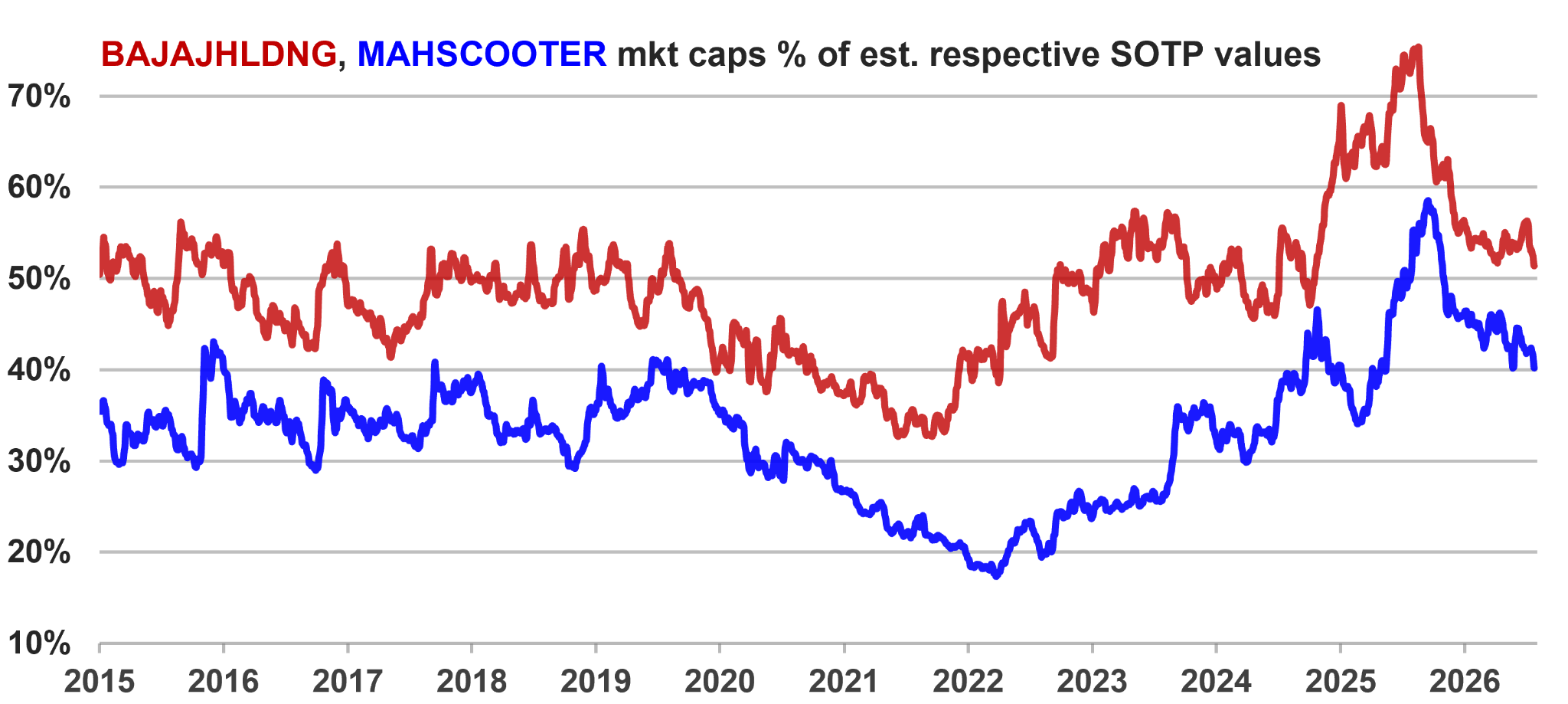
Maharashtra Scooters’ stakes in the two financial services firms (BAJFINANCE and BAJAJFINSV) account for the overwhelming majority of MAHSCOOTER’s SOTP value. Aggregate underlying earnings attributable to MAHSCOOTER have, by my math, compounded at ~25% over the past five years in INR terms, or ~19% in USD terms. MAHSCOOTER’s stock has compounded at an even faster rate over that period, as implied by the narrowing of its discount to SOTP.
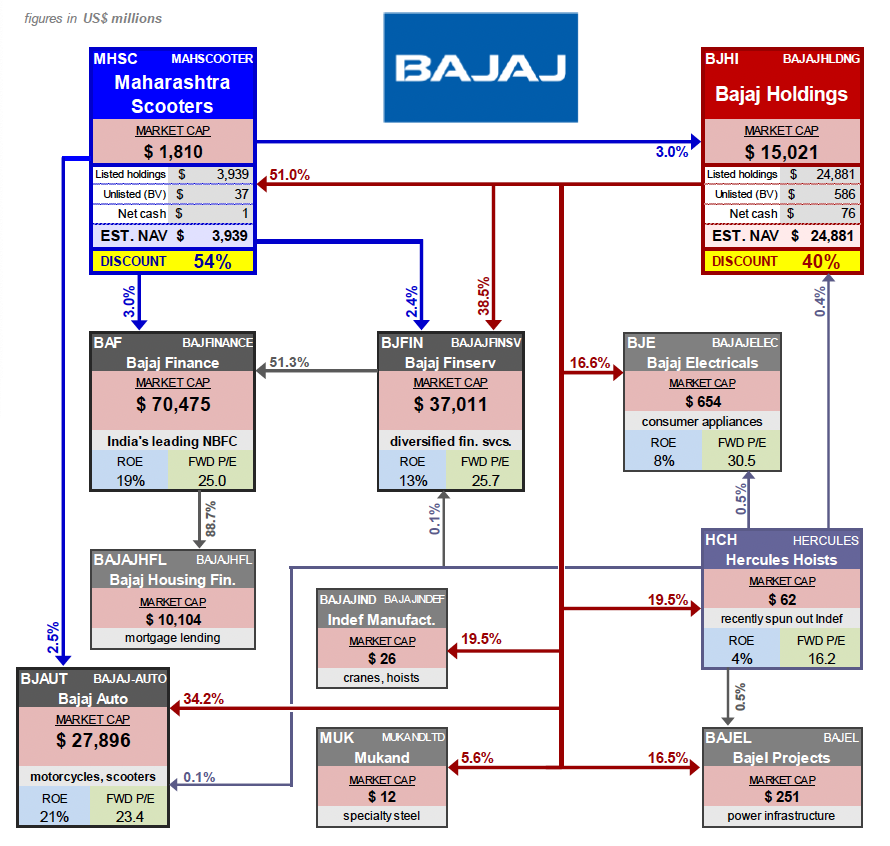
Another way of viewing MAHSCOOTER’s ~60% discount to sum of the parts value is that it enables an investor to gain exposure to underlying Bajaj operating businesses at a P/E significantly lower than one would pay to own those businesses directly. Buying MAHSCOOTER at today’s share price allows an investor to own the Bajaj operating businesses discussed above at a position size-weighted multiple of less than 9x those underlying businesses’ N12M earnings – substantially lower than the position-size weighted multiple of ~21x one would pay as of July 2026 to buy those stocks directly.
In addition to the aforementioned SEBI reforms, potential value unlock catalysts include recent Bajaj-specific developments indicative of a gradual but substantial shift in mindset within the group. When I first visited Bajaj back in 2015, BAJAJHLDNG and BAJAJ-AUTO shared key managerial personnel, who told me that they viewed BAJAJHLDNG as the group’s “de facto central bank” and insisted that the holdco would “never sell” its shares in the group’s underlying operating businesses. A decade later, BAJAJHLDNG sold 10.4 million shares of BAJAJFINSV and, in a separate transaction, the Bajaj family’s unlisted Jamnalal Sons holdco offloaded 18.2 million shares of BAJAJFINSV. Perhaps most importantly, the Bajaj holdcos’ dividends have increased significantly in recent years: in MAHSCOOTER’s case, more than quadrupling from ₹50 per share five years ago to ₹220 per share over the past 12 months.
8. You’ve recently increased your exposure to India’s defense/aerospace industry. What’s been the catalyst for this shift and what are you particularly bullish on within the sector?
As discussed on another recent podcast and summarized in a research memo accessible on Gymkhana’s website, India is the world’s fifth-largest military spender and (depending on how one values the flow of weaponry into Ukraine) either the 1st- or 2nd-biggest arms importer. India’s annual defense budget has roughly doubled over the past decade, and is on course to exceed $100 billion within the next couple years.
Moreover, the composition of those outlays is changing. India is systematically shifting its defense procurement away from its decades-long supplier Russia and toward Western countries eager to deepen their security partnerships with New Delhi. Indian government policies incentivize the development of locally-built substitutes for imported systems, sub-systems, and components. Foremost among these are minimum thresholds (typically at least 50%) for the share of content that must be sourced indigenously for any contracts awarded as part of the nation’s defense procurement.
Foreign defense and aerospace companies looking to meet these thresholds generally team up with an Indian offset partner capable of manufacturing critical parts domestically. For example, Hindustan Aeronautics' (HNAL IN – US$32 billion) HAL Tejas fighter jet is >60% locally sourced, with the remainder, including F404 jet engines from GE Aerospace (GE US – US$377 billion), imported.

As part of the same 2020 procurement reforms that hiked local-content minimums, the Modi government also lifted the cap on foreign ownership of Indian defense companies from 49% to 74%, a change meant to encourage joint ventures and technology transfer with foreign partners.
The Indian government has also prioritized speeding up defense procurement, including by facilitating more direct channels between the Indian military and contractors below the “Tier 1” of listed but state-controlled incumbent firms such as Bharat Dynamics (BDL IN — US$4.9 billion), Bharat Electronics (BHE IN — US$30 billion), and the aforementioned Hindustan Aeronautics. This is significantly broadening opportunities for smaller and scrappier private-sector defense/aerospace firms, including many mid- and small-capitalization companies specializing in high-value components that go into aircraft (e.g., aerostructures, avionics, radars, aero-engine parts, etc.) and/or are integral to their production (e.g., machine tools). Gymkhana portfolio companies such as Dynamatic Tech (DYTC IN – US$734 million) and Astra Microwave (ASTM IN – US$1.7 billion) are evolving from mere component suppliers into partners trusted by leading aerospace multinationals to develop, integrate, and reliably deliver expanding shares of increasingly sophisticated systems.
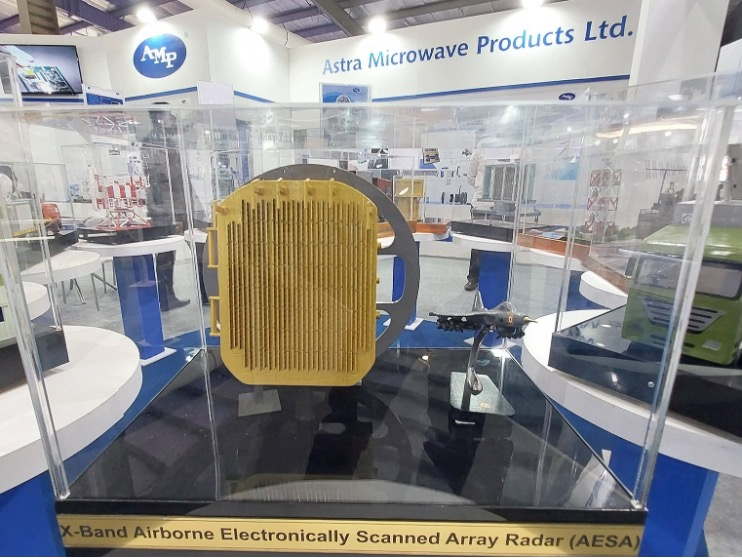
India’s intensified efforts to “indigenize” a greater share of the supply chain for India’s defense equipment is a particular boon to the select few Indian defense/aerospace firms that have already invested years into building partnerships with Western counterparts, such as DCX Systems (DCXINDIA IN – US$208 million), a Bengaluru-based firm long linked with Israeli manufacturers that more recently began winning significant business from Lockheed Martin (LMT US – US$134 billion). Because of India’s aforementioned minimum thresholds for the India-made shares of defense procurements, DCX is positioned to win contracts not on the basis of price, but rather on the basis of helping customers hit made-in-India targets without compromising quality and reliability.
Gymkhana’s defense/aerospace portfolio companies are also benefiting from India’s increasing attractiveness both as a burgeoning source of civil aerospace demand and as a manufacturing hub for multinational supply chains. India recently became the world’s 3rd-largest aviation market in terms of passenger traffic (behind only the U.S. and China) – up from 8th just a decade ago.

Even after recent years’ rapid growth, Indians today take just ~0.14 yearly flights per capita – equivalent to less than a quarter of the ~0.6 global average. Despite its status as one of the world’s largest and fastest-growing markets for aircraft, maintenance services, and parts, India still accounts for less than 2% of global aerospace supply chains. India’s nascent maintenance, repair, and overhaul (MRO) industry currently captures only a small fraction of its addressable market, with the vast majority of Indian-owned aircraft/aero-engines relying on overseas servicing. Even as Indian demand pulls them in, aerospace multinationals are also being “pushed” to accelerate their shift toward Indian suppliers by frustration with labor and supply chain disruptions constraining output at their existing, relatively high-cost plants.
As India’s share of the market’s supply side converges with its rapidly-expanding share of demand, we expect direct beneficiaries will include Gymkhana portfolio companies such as Azad Engineering (AZAD IN — US$1.6 billion), Dynamatic Tech (DYTC IN – US$734 million), Sika Interplant Systems (SIKA IN – US$246 million), and Unimech Aerospace (UNIMECH IN – US$627 million), each of which supplies critical components to some subset of Airbus (AIR FP – US$190 billion), Boeing (BA US – US$167 billion), Honeywell (HON US – US$78 billion), RTX (RTX US — US$295 billion), and/or Rolls-Royce (RR/ LN – US$155 billion).
9. Are there any good books that can teach us about investing in Indian equities, or get to know India as a country more generally?
For anyone totally new to India, I’d recommend Gurcharan Das’s 2002 India Unbound and Edward Luce’s (former head of the Financial Times’ New Delhi bureau) 2007 In Spite of the Gods. For those wanting more of a deep dive into modern India’s economic and political history, I recommend starting with chronicles of India’s fight for independence such as the lengthy but excellent Freedom at Midnight, followed by more contemporary economic histories such as India: The Emergent Giant and India after the Global Crisis, and topped off with simply wading through the digital archives of high-quality Indian newspapers such as Business Standard, The Economic Times, India Today, Mint, and The Times of India. And if you don’t want to do all that, check out the two-part blog series I wrote a decade ago on the lead-up to and aftermath of India’s 1991 balance of payments crisis, as well as a follow-up discussing the areas in which the economic liberalization unleashed post-1991 remains a work in progress.
More recent books worth checking out include Backstage: The Story Behind India’s High Growth Years by the economist and former civil servant Montek Singh Ahluwalia, which provides a fresh look at how the 1991 crisis enabled the reforms that followed and examines what it will take to sustain rapid growth. Another is Breaking the Mold: India’s Untraveled Path to Prosperity by economists Raghuram Rajan (who led India’s central bank from 2013 to 2016) and Rohit Lamba, which argues that India’s path to prosperity lies not in replicating China’s manufacturing prowess, but rather by capitalizing on its comparative advantages related to high-skilled services and scrappy, entrepreneurial small/medium-sized businesses.
Finally, buried within Harvard Business School’s website are freely-available transcripts of a bunch of excellent interviews with icons of Indian business such as Rahul Bajaj, Adi Godrej, and M.V. Subbiah. Those pair well with The Unusual Billionaires, Saurabh Mukherjea’s excellent book examining seven iconic Indian companies.

10. Thanks for doing this, Andrei! Where can people go to learn more about you and Gymkhana Partners?
They can check out our website at gymkhanapartners.com. Our recently-published Q2 2026 investor letter is accessible here. You can follow our commentary on India’s economy and stock market by signing up for the Dispatches from India blog. To receive fund updates including Gymkhana’s monthly returns, you’ll need to complete the form on our website’s Contact tab.
Additionally, Gymkhana is active on both X/Twitter and LinkedIn; you can also follow my personal accounts on both those platforms.