Hidden Champions of South Korea
30 "hidden champions" identified

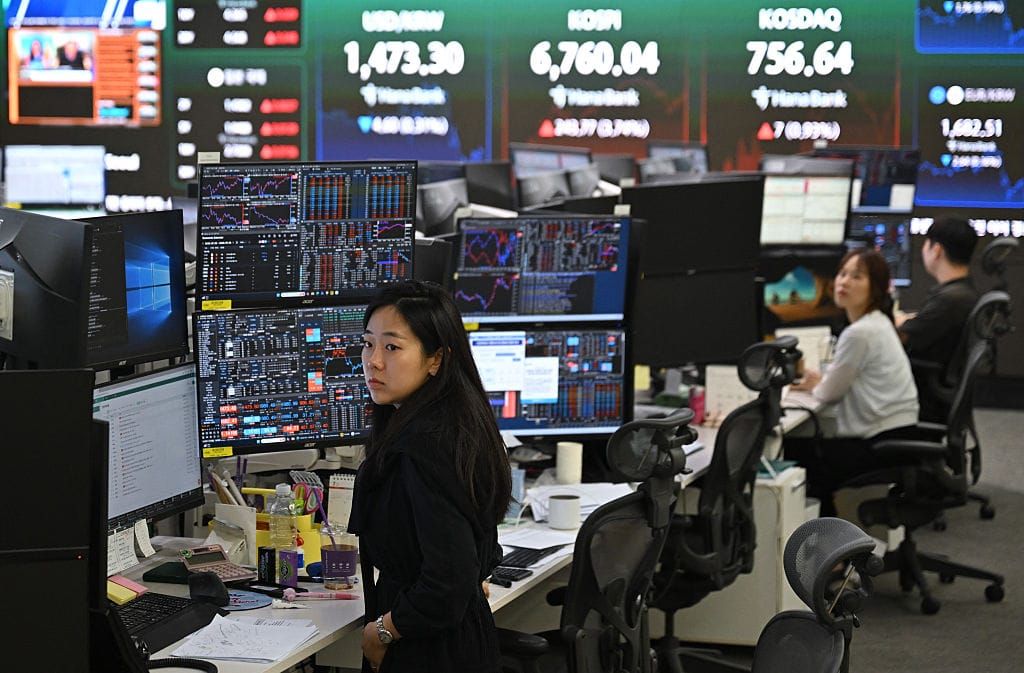
In mid-2026, US and Chinese online trading platforms Interactive Brokers and Moomoo opened up access to South Korean equities. And since then, the interest in the market among international investors has skyrocketed.
To help you make sense of the market, I've dug into the universe of publicly listed stocks and picked out 30 "hidden champions". The concept is from German author Hermann Simon and refers to companies that dominate their niches and compound their capital at high returns on equity.
I've done similar write-ups on hidden champions in Malaysia, Taiwan, Indian ADRs/GDRs, Chinese ADRs, Hong Kong, Singapore, Australia and Thailand.
Do not take the following discussion as investment advice. I've paid zero attention to share prices and instead focused on the inherent qualities of these businesses.
Table of contents:
1. A top-down view of South Korea
2. Screening for candidates
3. Hidden champions of South Korea
4. Conclusion
1. A top-down view of South Korea
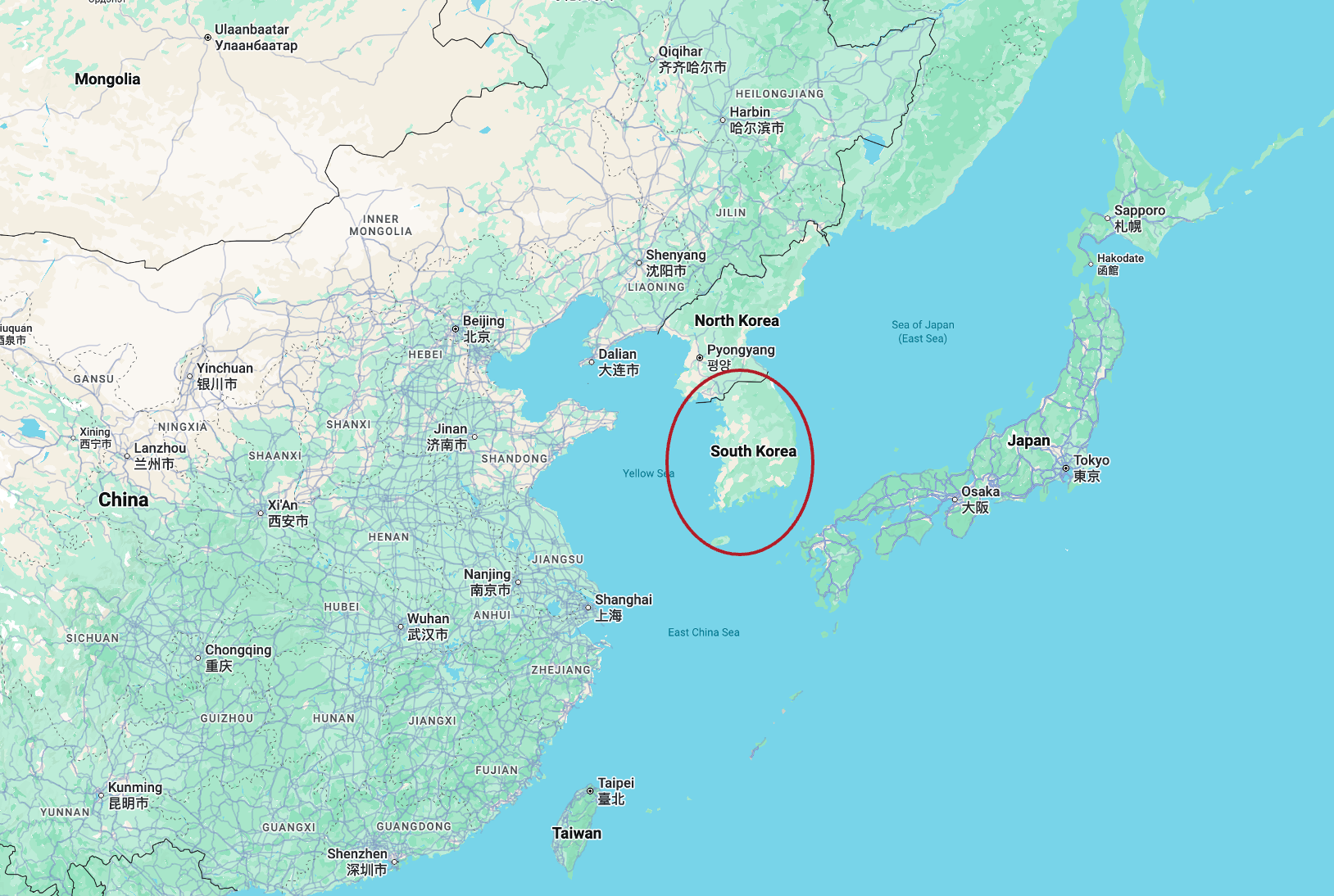
Let's start with some context. South Korea is an export juggernaut. It's a small country, sitting right in between China and Japan.
And their influence on Korea has been massive throughout history. For example, Confucianism spread from China to Korea from the 14th century onwards. Until the creation of the Korean alphabet, classical Chinese was the written language. Even to this day, almost 2/3 of the Korean vocabulary has a resemblance to Chinese words.
From 1910 to 1945, Korea was a Japanese colony. Modern state infrastructure was introduced, including legal codes, land registries, administrative systems, etc.
After 1945, the United States proposed dividing the country into Soviet and US zones. In 1950, Soviet-backed North Korea invaded the South, which led to the Korean War. And instead of a resolution, the country remains divided between a communist north and a capitalist south.
And the growth trajectory of the two countries could not have been more different:
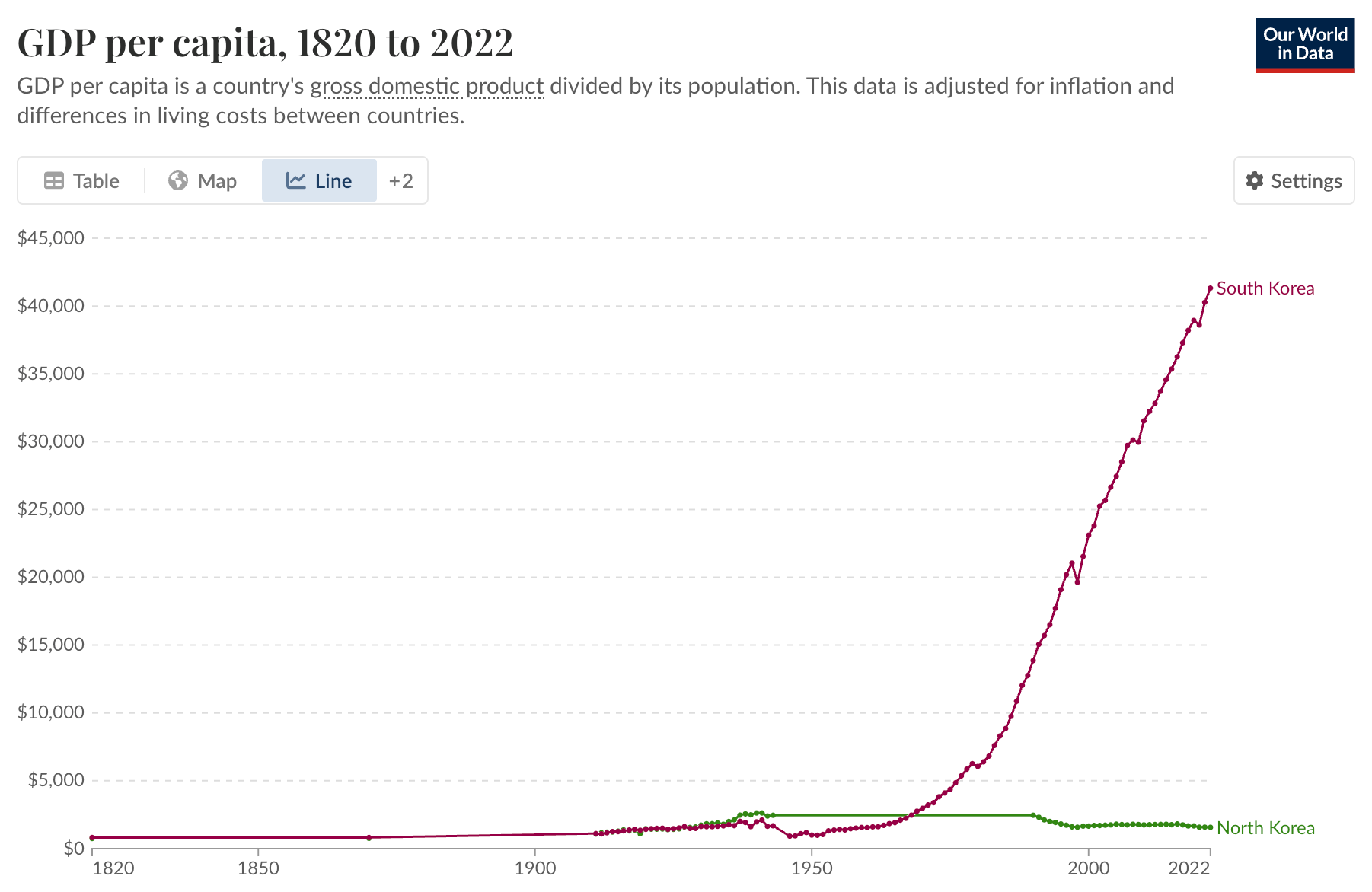
As I've argued in the past, South Korea followed the development trajectory of the other "Asian tigers". Like Japan and Taiwan,
- The Korean government broke up large estates and transferred farmland to tenant farmers, raising productivity and weakening the rural elite
- Companies received cheap loans, tariff protection, tariff advantages, import licenses, and access to foreign currency
- Household savings were funneled through the banking system to industrial development, rather than consumer loans or speculation
The development accelerated after the 1961 coup, when General Park Chung-hee took power. However, development wasn't exactly fair. Businessmen who teamed up with the government received certain favors, and grew to become the massive conglomerates ("chaebols") that dominate Korea today.
The 1997 Asian Financial Crisis caused a financial collapse, as many Korean companies had borrowed overseas. Their debt burdens rose alongside a weakening Korean Won. Several chaebols such as Hanbo, Sammi, and Kia went bankrupt. But as South Korea was an export-focused economy, the weaker currency helped the export economy grow even faster.
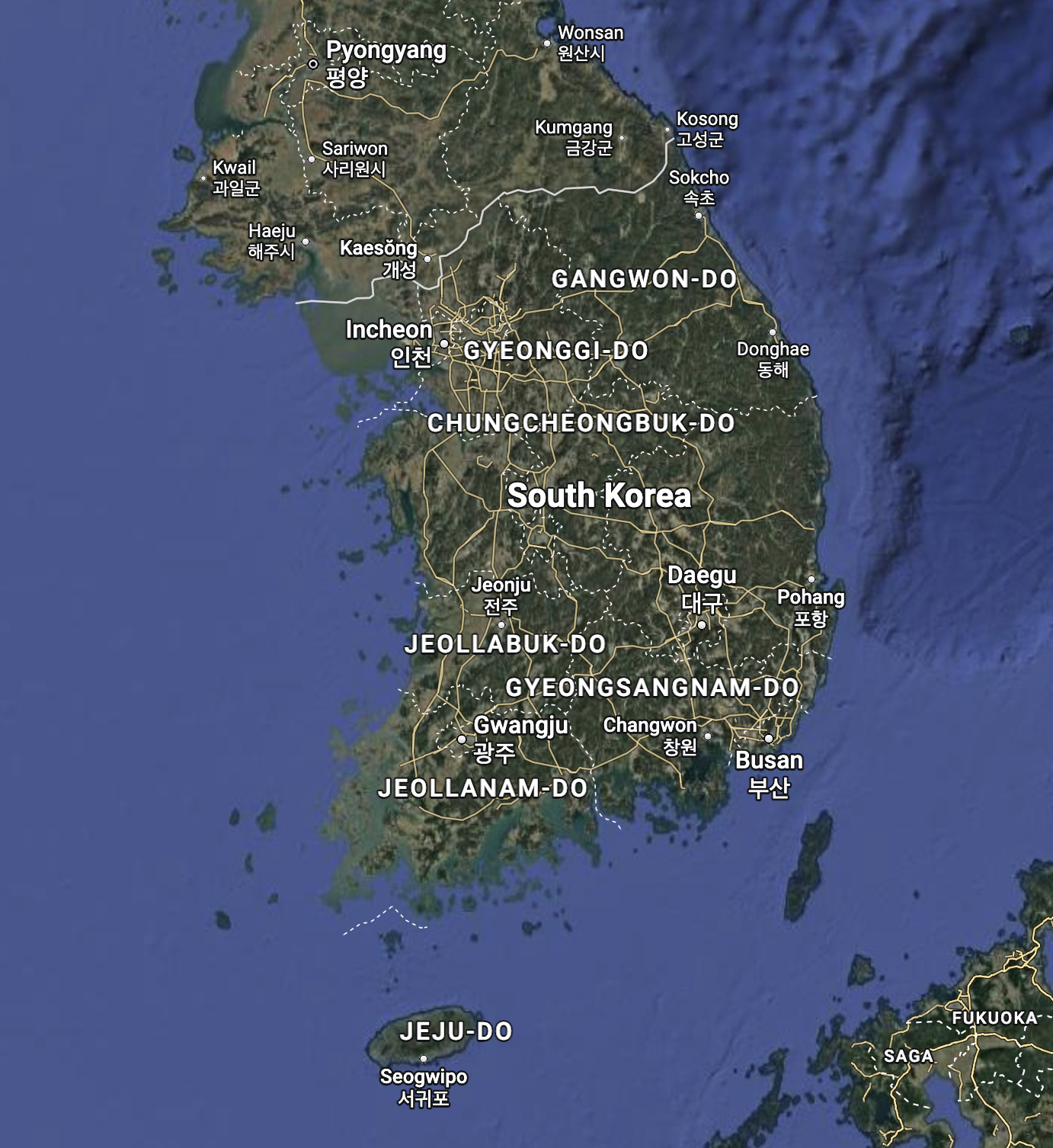
Within South Korea, Seoul is the center of advanced industries, and the Southeast, including Busan, is the center of heavy industry, shipbuilding, and trade. Jeju Island, on the other hand, is a major tourist destination. The
The US military continues to have 28,500 active army personnel on the ground in South Korea, meant to protect the country from any communist incursions from the North. Meanwhile, North Korean influence activities within South Korea try to sway public opinion against the US presence on Korean soil. It also tries to undermine conservative politicians and divide the country so as to reduce morale.
One major event over the past decade was when US-made THAAD missiles were installed on South Korean soil in 2017. Within weeks, North Korean ally China responded with economic retaliation, and many Korean companies suddenly encountered regulatory roadblocks there. Lotte and Hyundai had to retreat. And there was even an unofficial ban on South Korean pop culture, also known as hallyu.
The back-and-forth conflict between the left-leaning Democratic Party (DPK, also known as "Minjoo" and the conservative People's Power Party (PPP) is another source of concern for some investors. But politics has rarely had much impact on the success of Korean companies. Entrepreneurship is alive and well.
The Korea Stock Exchange has been around since 1956, and the KOSPI since 1983.
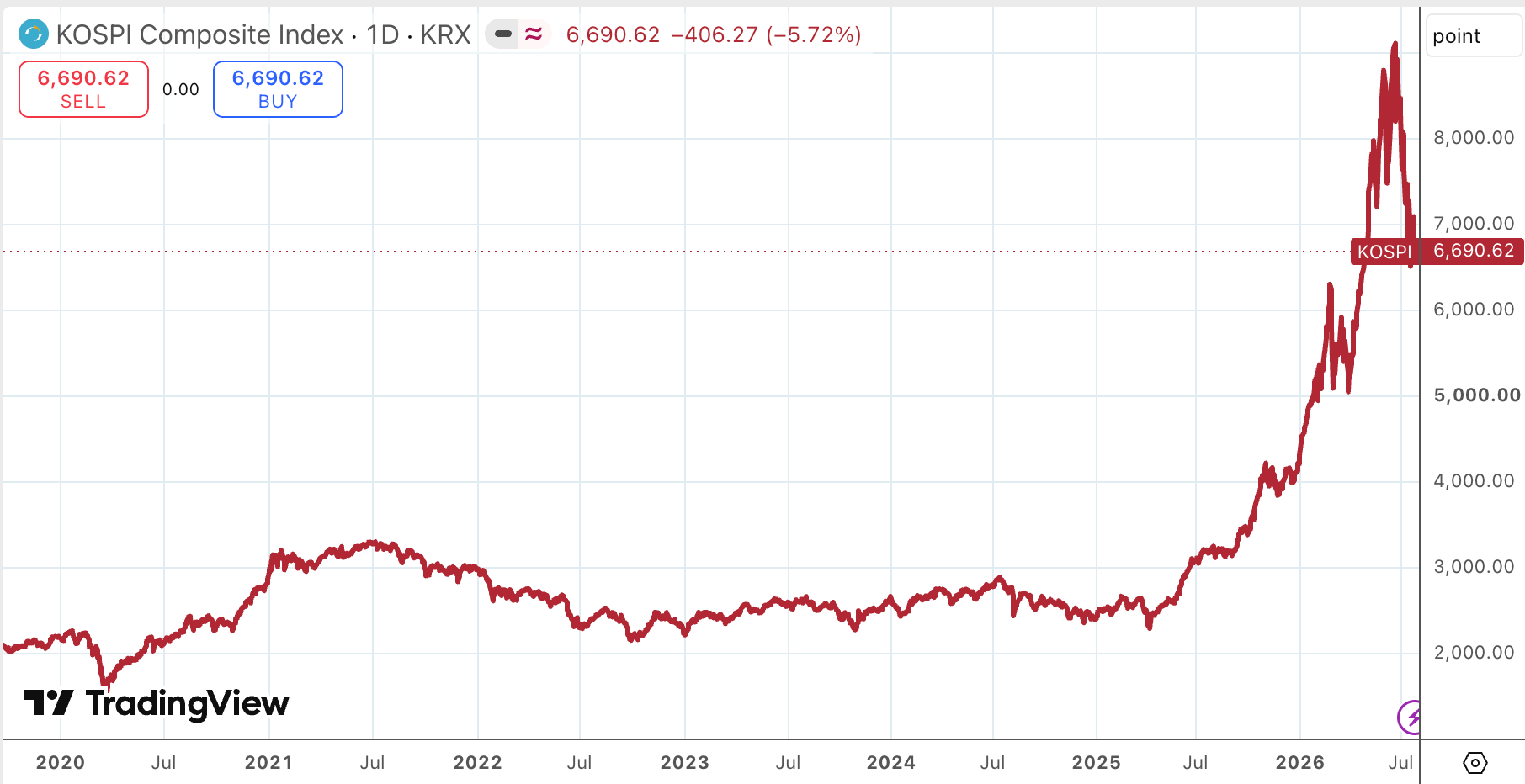
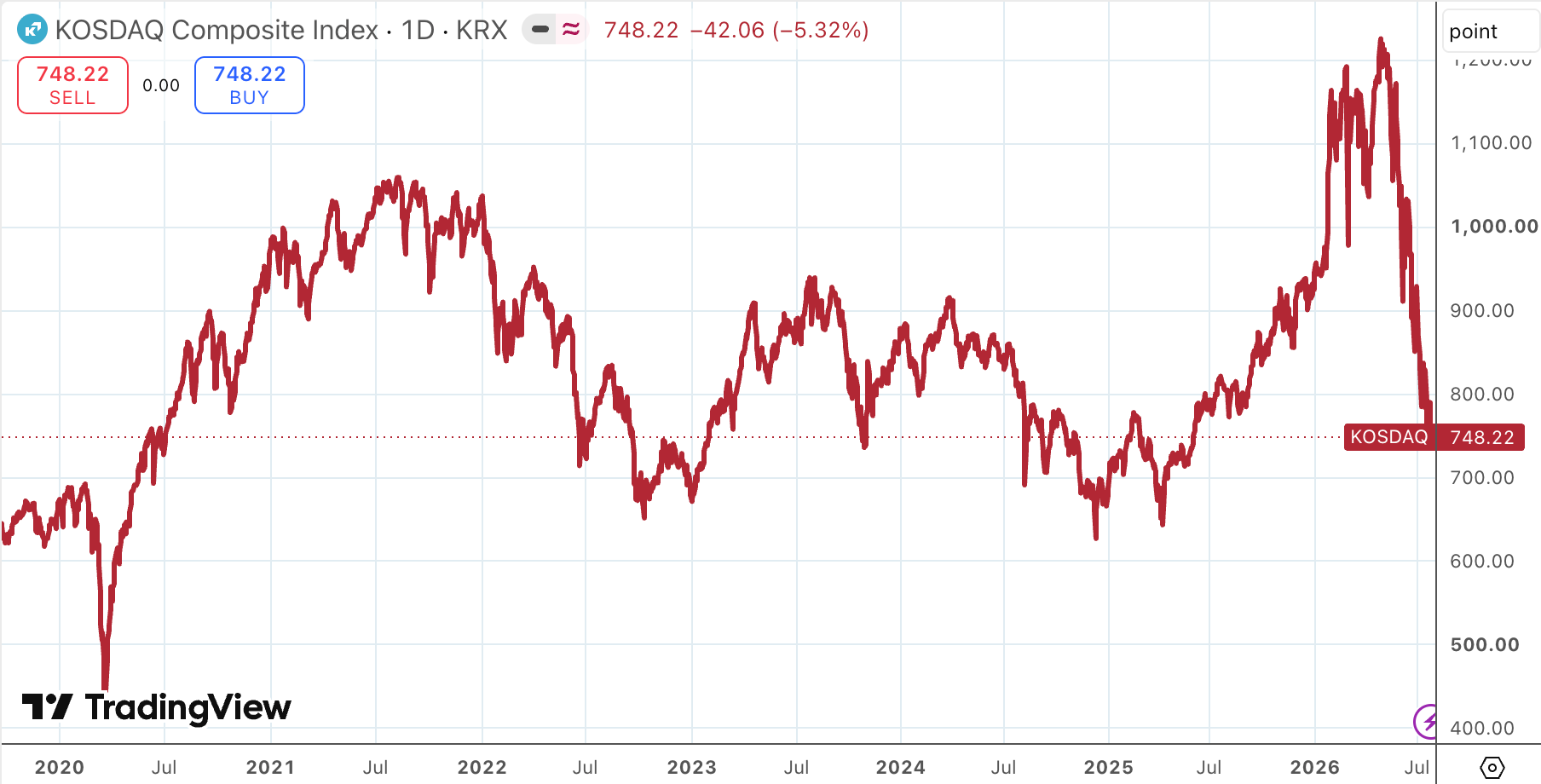
Note that foreign ownership of Korean equities was heavily restricted until the 1990s. That's also when KOSDAQ opened up as a secondary market for high-growth – but often unprofitable – equities.
Oddly enough, MSCI still regards South Korea as an emerging market, despite its US$40,000+ GDP per capita. Part of the issue has been a lack of access to offshore trading in Korean Won, poor English-language disclosures, and recurring short-selling bans. But the currency trading issue will soon be resolved, and it looks like South Korea is on track to achieve MSCI developed market status in the near future.
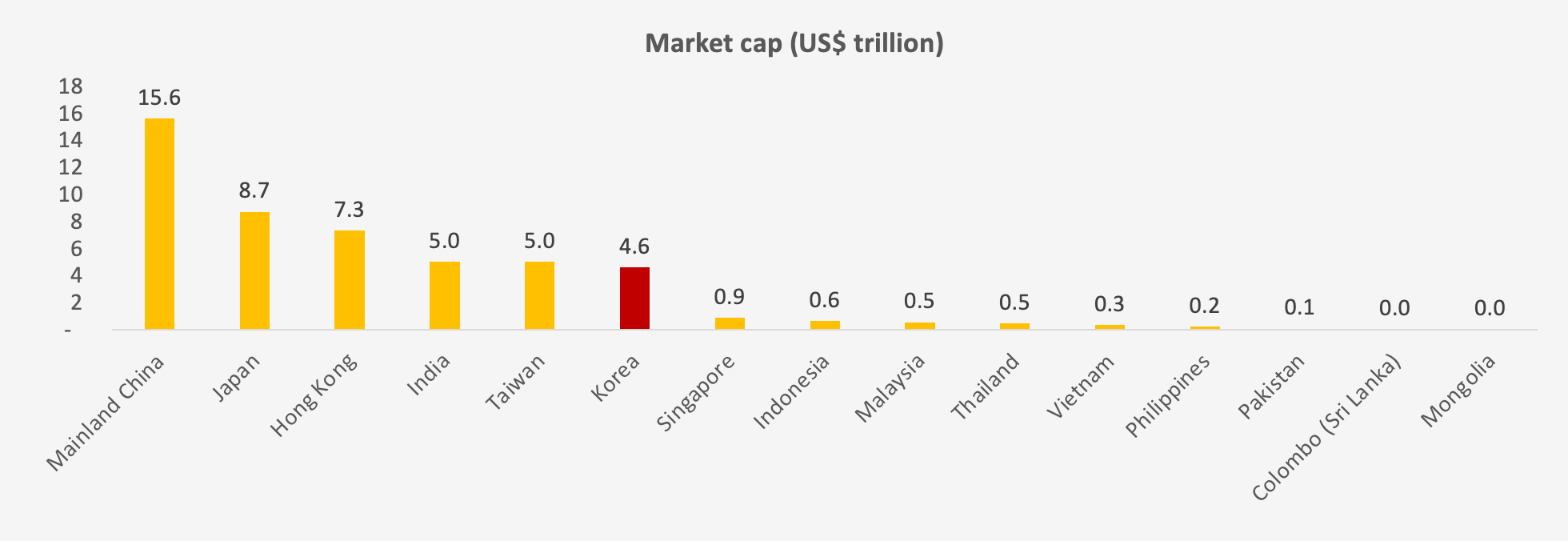
South Korea's aggregate market cap is now US$4.6 trillion, just below that of India and Hong Kong.
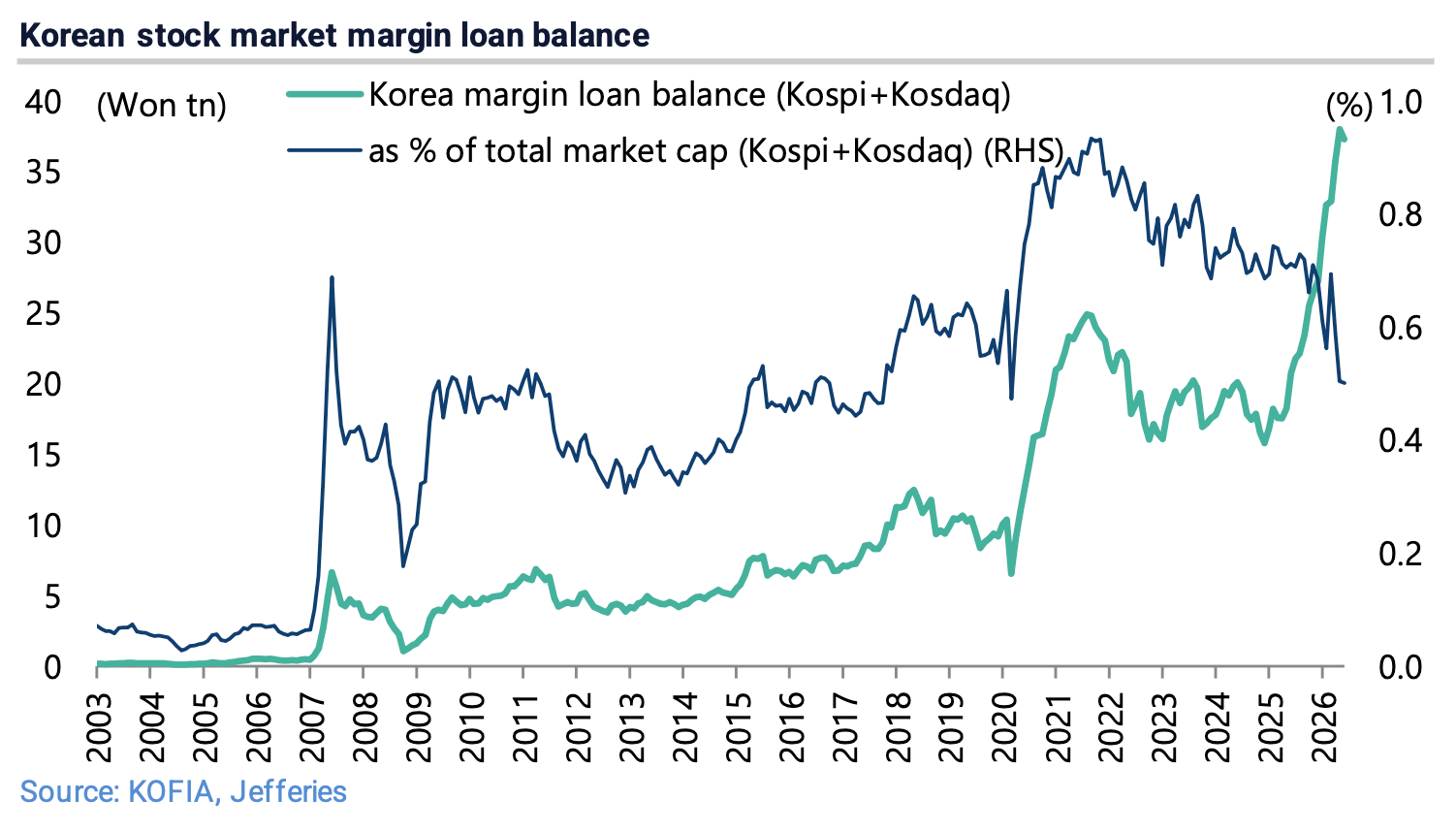
However, the market cap number has been boosted by a speculative bubble in semiconductor stocks, which have benefited from a squeeze in the supply of memory chips. Bellwether stock SK Hynix has risen by more than 500% in less than a year. And while the margin debt-to-market cap ratio isn't as high as in 2021, there's speculative activity in many of the AI related stocks.
Evidence of speculative activity can be found in an index of search queries on Naver.com for the keyword stock price (주가). Everyone in Korea seems to be speculating in stocks these days.
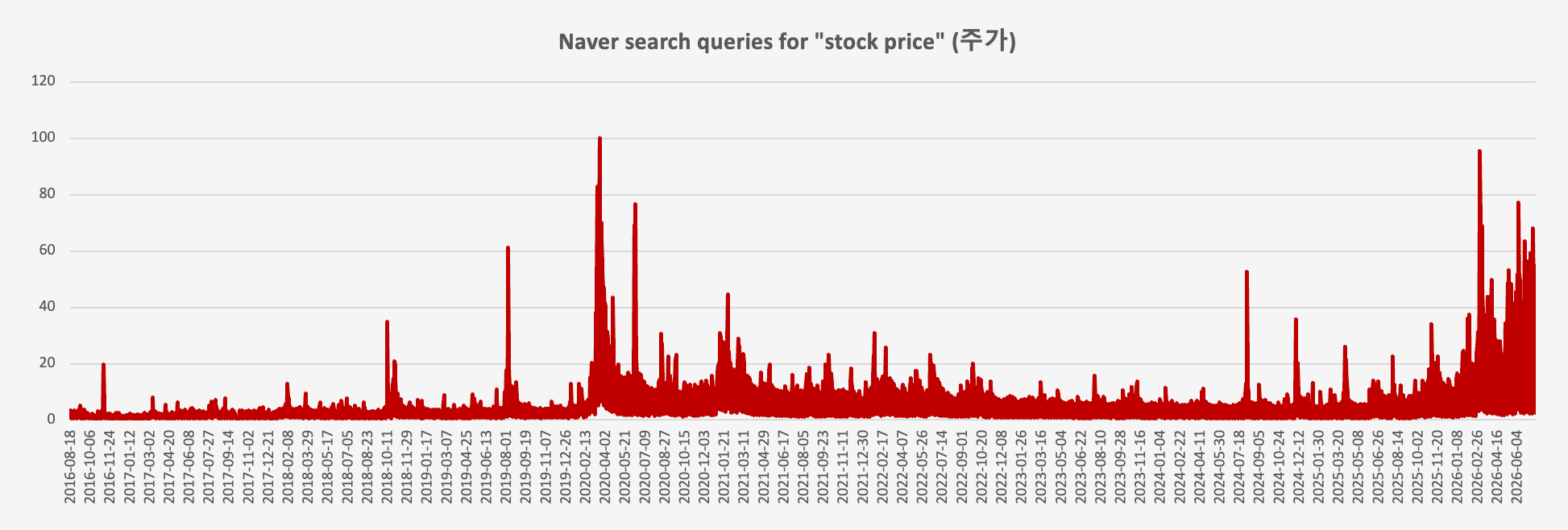
The broader small-cap universe continues to lag Korea's semiconductor stocks. Historically, Korea has had a low return on equity, mostly due to poor capital returns to shareholders:
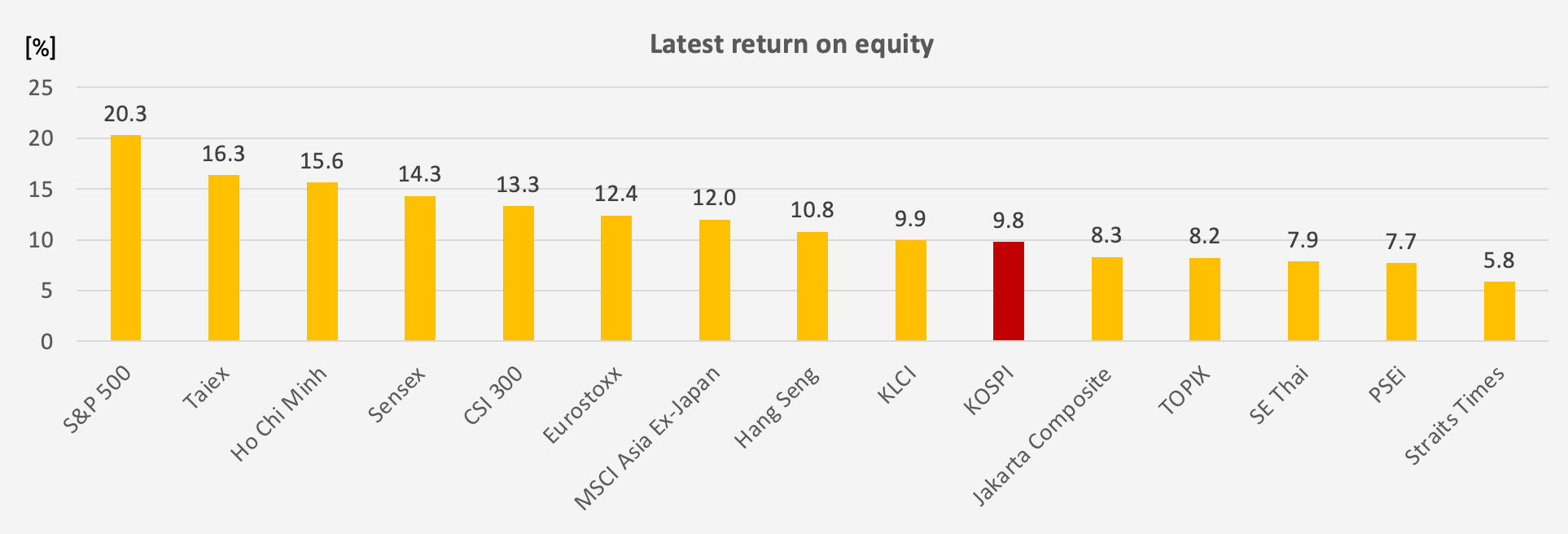
It's also a fact that many Korean entrepreneurs have adopted holdco/opco structures to maintain control, presumably at the expense of minorities. Many companies have also issued preference shares — essentially non-voting common shares — that raise capital without diluting the founder's control.
As I've argued in the past, the issues in Korea have been threefold:
- A high inheritance tax of 50% based on the market value of your holdings, causing controlling shareholders to try to minimize share prices
- High dividend taxes of up to 49.5%, causing companies to minimize payout ratios
- Related party transactions, with few penalties and only ex-post disclosures
But change is finally taking place. The dividend tax has been reduced for high-payout-ratio companies. Related party transactions have been addressed through the mid-2025 law, which imposed legal liability on independent directors who fail to take minority interests into account. And for low-Price/Book companies, the inheritance tax may eventually be based on the book value of equity rather than the company's market value. This would partially take away the incentive to minimize share prices.
In South Korea, there are currently 1,489 publicly listed companies with market caps above US$50 million. Among these, 57% of tech companies, 17% industrials (many of which are tech-adjacent), 8% financials, 6% consumer discretionary, 5% healthcare, and 2% materials companies.
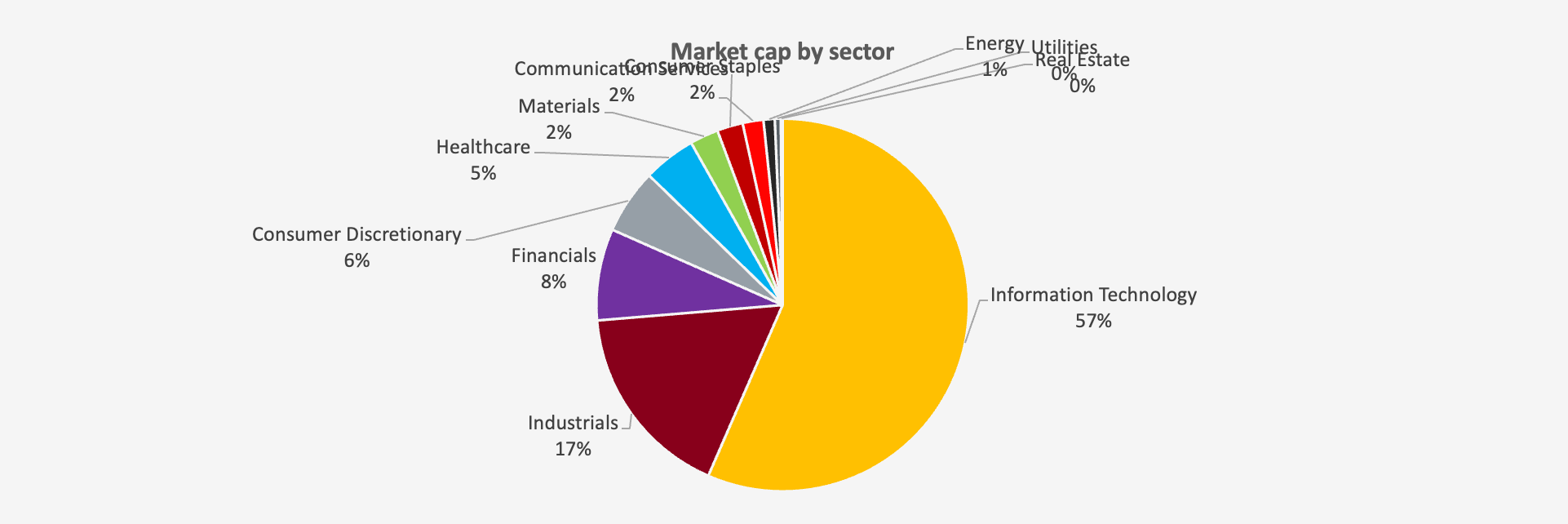
Beyond tech, Korea has also had massive success in the defense industry and shipbuilding. Its missiles and tanks are far cheaper than those produced in other developed markets. And Korean pop music, Korean dramas, and Korean cosmetics continue to be popular worldwide.
To give you a flavor of what types of companies are listed in Korea, the largest companies include search engine Naver, automakers Hyundai and Kia, tobacco company KT&G, biotech CDMO Samsung Biologics, semiconductor companies Samsung Electronics & SK Hynix, steel-maker POSCO, and utility KEPCO.
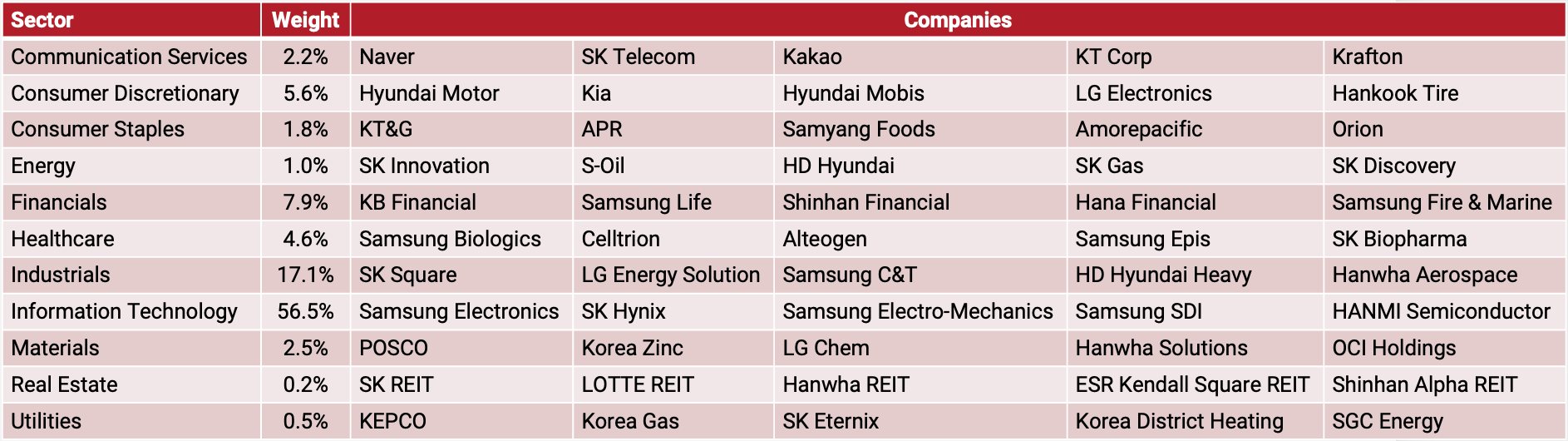
So to summarize, South Korea is a tech-heavy export powerhouse. Corporate governance has been poor but is improving year by year. Semiconductor and AI-related names have re-rated sharply over the past twelve months. Margin debt as a share of market cap remains below 2021 levels, but Naver search interest in stocks has spiked. Most of the smaller listed companies have not participated in the move. So it does look like it's a stock picker's market.
2. Screening for candidates
I'll now do some screening. I'm looking for companies with "hidden champion-like" characteristics:
- A high historical average return on equity
- High historical growth in earnings per share
- Strong share price performance
So I've ranked the entire list of 1,489 companies above US$50 million market cap across these three metrics. To start with, here are the top ten companies in South Korea in terms of a high return on equity:
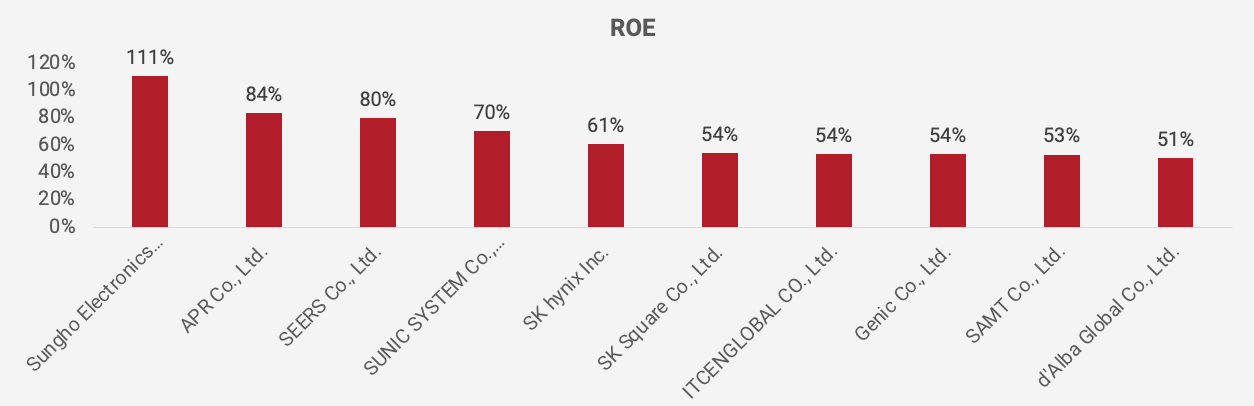
Many of these are electronics or power companies like memory chip makers SK Hynix, SK Square, or suppliers Sungho Electronics and Sunic System, or distributors like SAMT. But then you have K-beauty and medical device companies like skincare brand APR, Genic, and d'Alba Global. Finally, there's the IT services company ITCEN Global, which owns Korea Gold Exchange, the country's largest gold distributor, which has benefited from the past bull market in gold.
Next, here are the top ten companies in terms of share price CAGR:
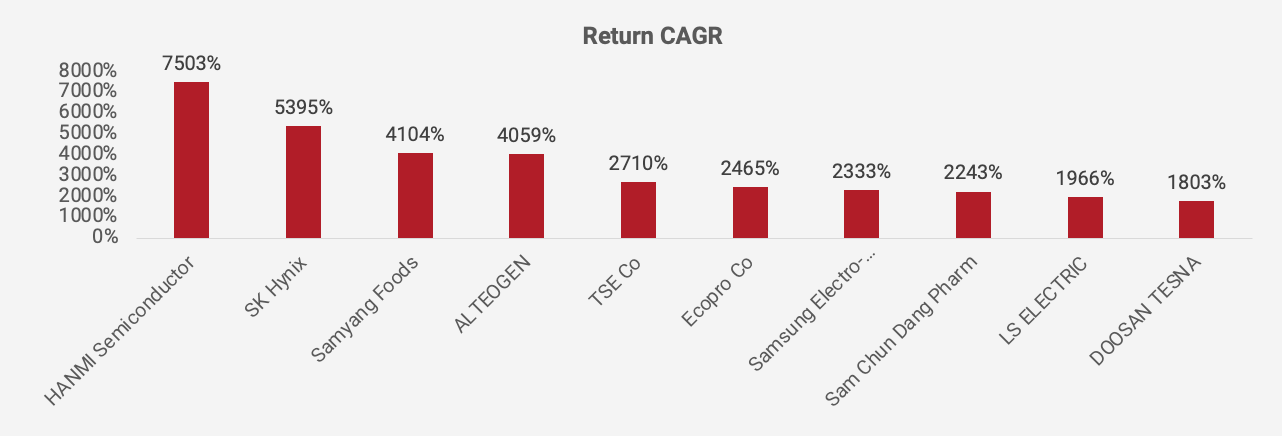
When it comes to share price return CAGR, the semiconductor complex has also done well. Examples include semicap Hanmi Semiconductor, memory chip maker SK Hynix, testing companies TSE and Doosan Tesna, MLCC name Samsung Electro-Mechanics and switchgear maker LS Electric. On the pharma side, Merck supplier Alteogen has been a major biotech success story. Sam Chun Dang Pharma makes eye drops and has exposure to GLP-1 drugs. In the list is also battery materials company Ecopro and buldak ramen maker Samyang Foods, which I wrote about here.
Finally, here are the top ten companies in South Korea in terms of EPS CAGR:
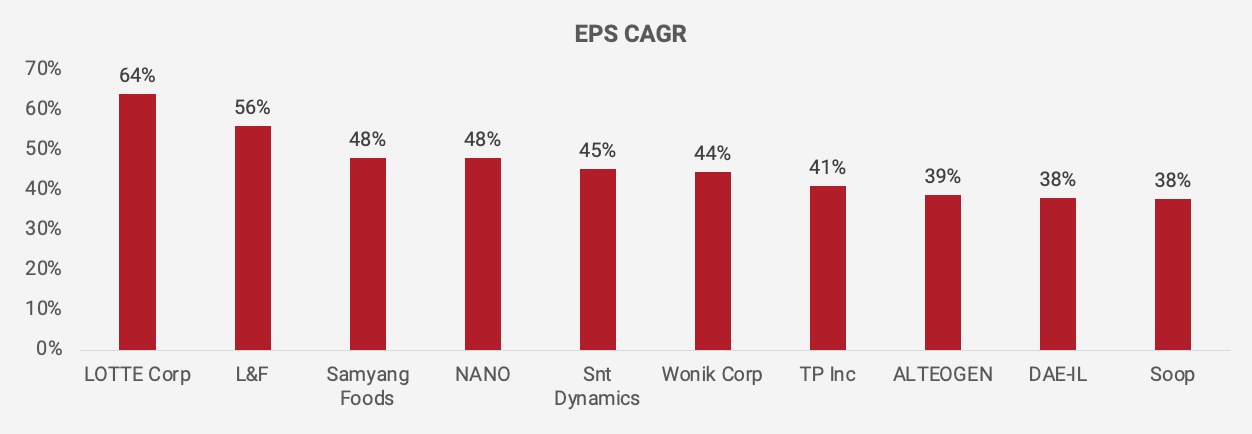
Here, you'll find greater diversity in the types of companies that have done well. You'll find consumer companies such as conglomerate Lotte, buldak ramen maker Samyang Foods, outerwear maker TP Inc, and live-streaming platform SOOP, which relies on perhaps an unsustainable tipping model. Defense contractor SNT Dynamics is one of many companies that have benefited from the post-Ukraine global arms build-up. Biotech company Alteogen benefited from its contract with Merck. And in tech, cathode material maker L&F has done well, as has thermal power plant catalyst maker NANO, semicap Wonik, and power transmission component maker DAE-IL.
I don't want to draw too many conclusions from these screens. Many of the stocks are cyclical, including semiconductor companies like SK Hynix. And many of the consumer names, including the K-Beauty stocks, have relied on TikTok to grow. But as I've noticed in the past, easy come, easy go.
To distill the 1,489-company sample into something more manageable, I've spent the last week identifying companies that qualify as hidden champions. The full list has been ranked by return on equity, historical share price performance, and earnings per share growth. Here is the entire spreadsheet: