GLP-1 winners and losers
Stocks impacted by increased GLP-1 usage in Asia

Hi! Today's post is written by recent graduate Meera Kapoor. She's spent a week digging deeper into GLP-1 drugs and has become something of an expert on the industry. - Michael
Summary
- GLP-1 weight-loss drugs are still rare in Asia, but they'll become more common in the next few years
- In China, Innovent Biologics and Sciwind Biosciences are both advancing homegrown GLP-1 candidates
- In India, Novo Nordisk's March 2026 patent cliff led to more than five local pharmaceutical companies launching GLP-1 generics within 24 hours, driving prices down by as much as 90%
- South Korea and Japan have both approved GLP-1 drugs, but access remains limited due to their health insurance systems
- If and when GLP-1 drugs become popular in Asia, expect a negative impact on fast-food restaurants and savory snack producers. And positive impacts on companies selling protein supplements or premium foods.

Ozempic-style obesity drugs ("GLP-1") have been around in the West for several years now. But only now are they becoming more popular in Asia.
This will have massive implications for drug makers, food & beverage companies, restaurants, and more.
In this post, we'll explore the consequences of widespread GLP-1 use. And which listed companies are most exposed, either positively or negatively.
1. The rise of the GLP-1 industry
"GLP-1" stands for "glucagon-like peptide-1" – a hormone released by your gut after you eat. It helps you control your blood sugar levels and your appetite.
So-called GLP-1 drugs mimic this hormone, keeping your appetite in check for extended periods of time. GLP-1 drugs also slow your stomach down and tell your pancreas to release insulin. All of which helps with weight loss.
The first GLP-1 drug was called Byetta and launched by US pharmaceutical company Eli Lilly. It was meant to treat Type 2 diabetes.
However, at some point, doctors noticed that diabetic patients on Byetta were losing a lot of weight – way more weight than could be explained by diabetes alone.
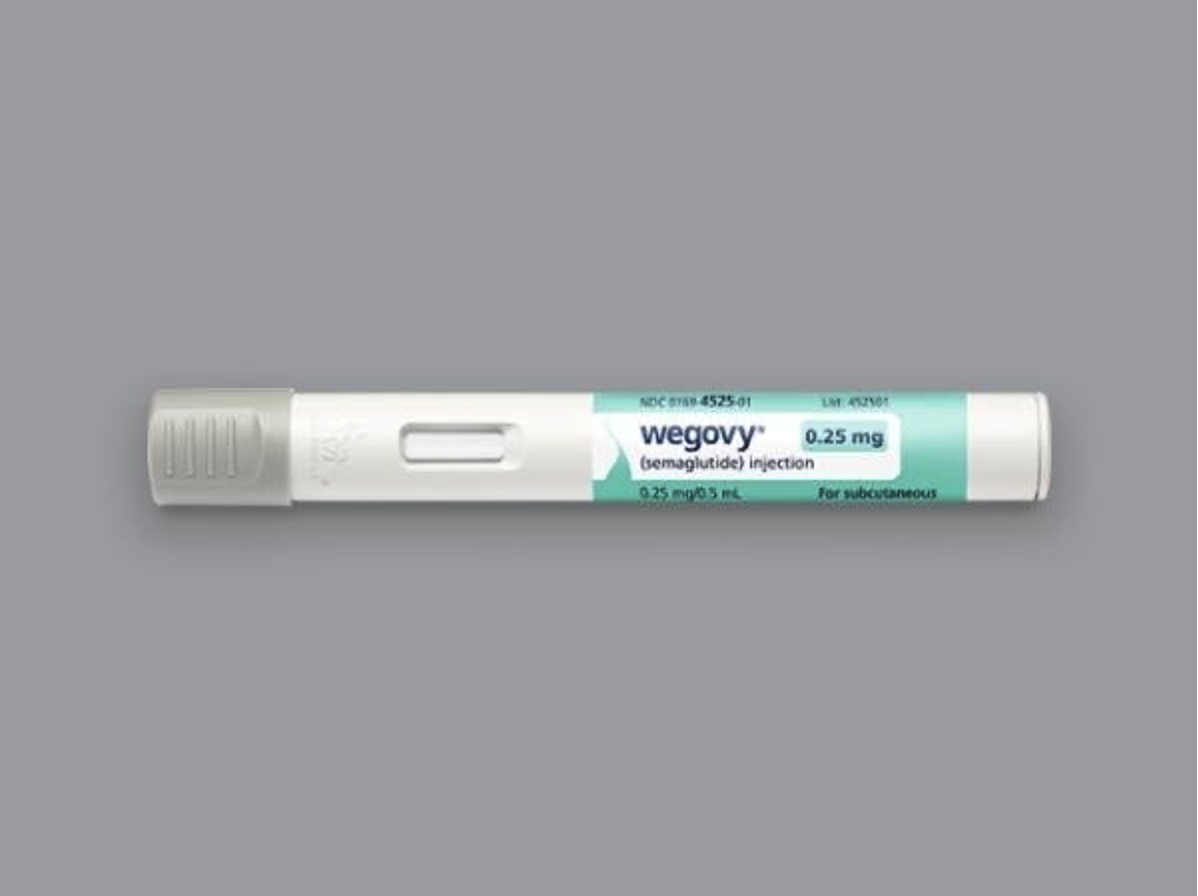
Danish pharmaceutical company Novo Nordisk took note and released a high-dose version of the same molecule, but this time for weight loss. This drug became known the brand name Wegovy.
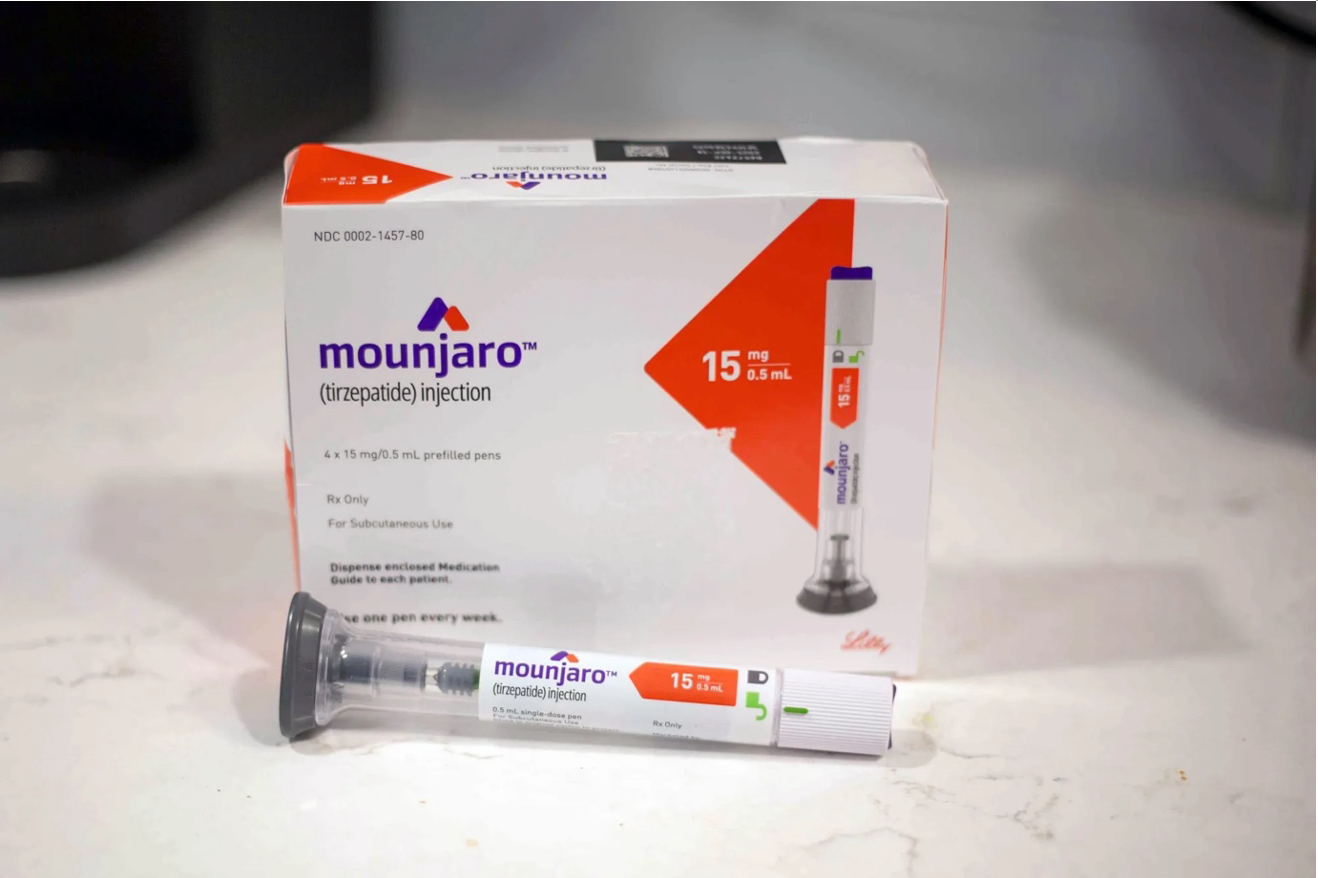
Soon thereafter, US competitor Eli Lilly released its own weight-loss drug, tirzepatide. This drug hits two hormone receptors instead of one (GIP + GLP-1) and was therefore more effective.
Both of these drugs helped popularize GLP-1 drugs, which have now become commonplace in developed markets like the United States. Roughly 12.4% of US adults are now using GLP-1 drugs.
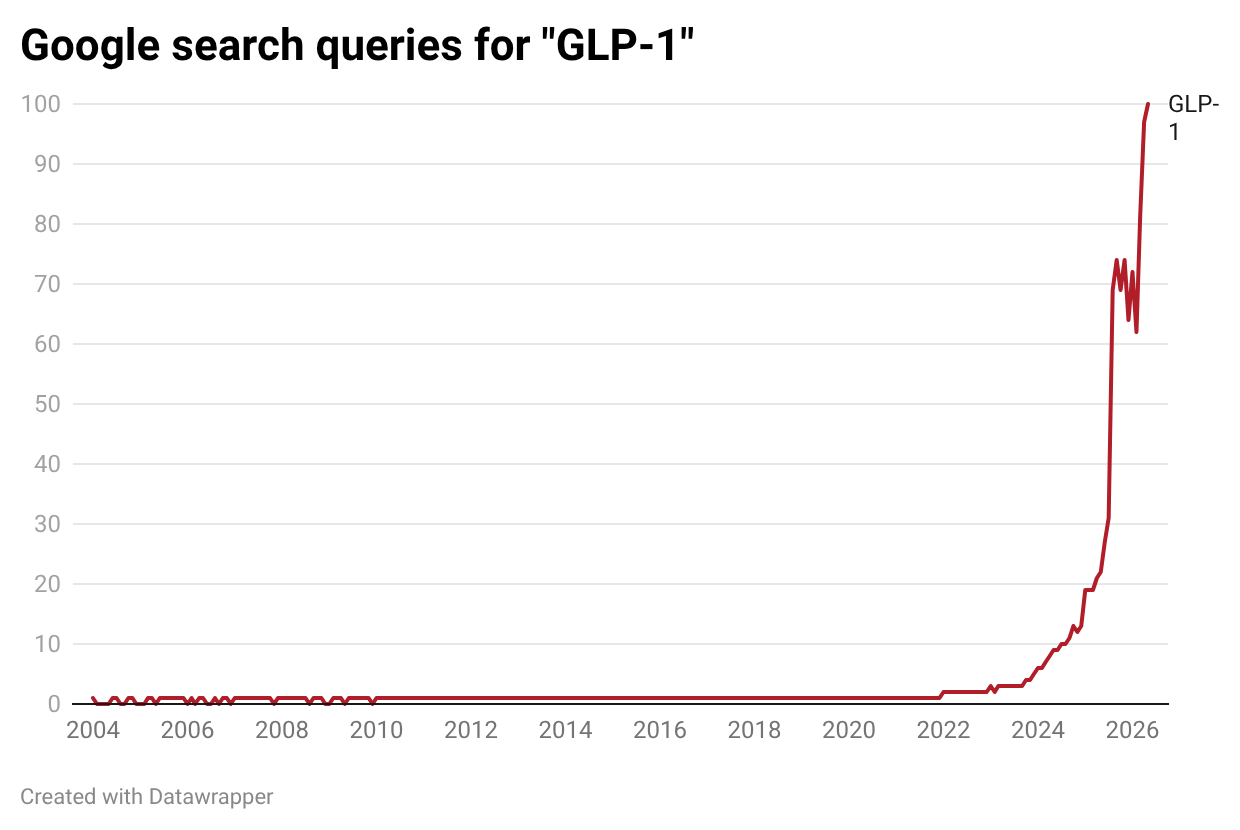
While the battle over the US weight-loss drug market continued, Asian pharma companies have quietly built the capabilities to release similar drugs. For example, Chinese regulators are now reviewing a wave of homegrown candidates. Indian generics makers jumped on the opportunity to create competing drugs once Novo Nordisk's GLP-1 patent expired in March 2026.
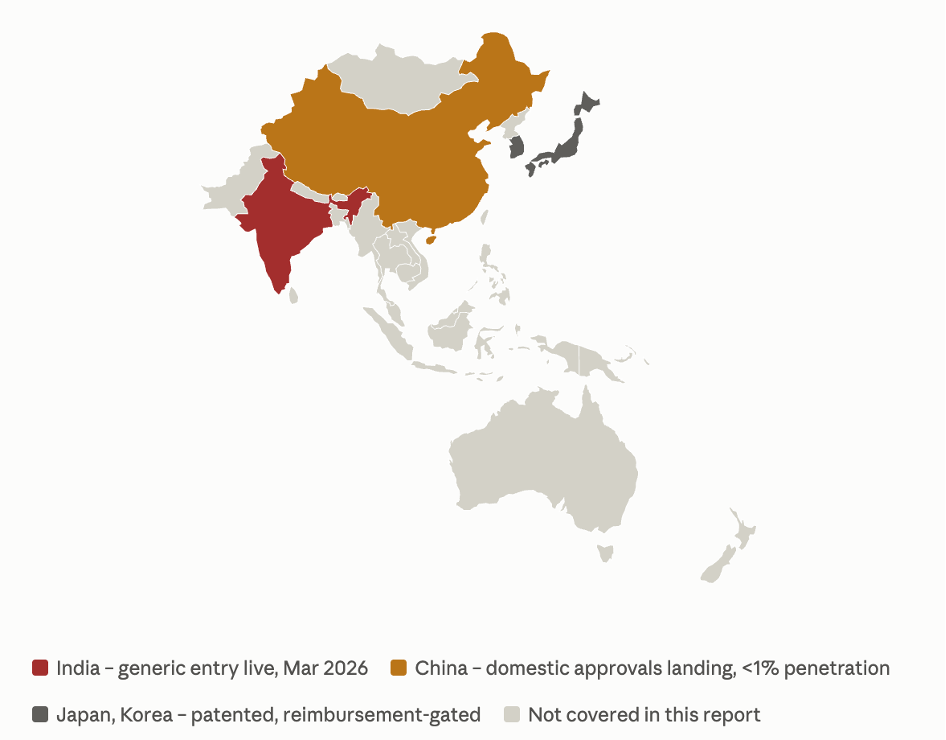
Of these markets, we predict India will see usage rise fastest, thanks to this patent expiry. China's approvals have just started, and the penetration rate remains well below 1%.
Meanwhile, Japan and South Korea have both approved GLP-1 drugs, but access remains limited due to their health insurance systems. So in these markets, the full impact is yet to be seen.
2 . GLP-1 innovation in Asia

Innovent Biologics was one of the first movers in China's GLP-1 market. That company licensed a molecule called mazdutide from Eli Lilly as early as 2019. In mid-2025, mazdutide finally received its regulatory approval and has now been launched under the brand name Xinermei.
Just like Eli Lilly's tirzepatide, mazdutide hits two receptors simultaneously (GLP-1 + glucagon). The trial data showed better weight loss and blood sugar control than semaglutide, as you might expect given its dual action.
Since the approval, Innovent's market cap has climbed to roughly US$18 billion, and mazdutide is expected to make up a quarter of total revenues by 2027. It's become something of a market darling among local investors.
Its competitor, Sciwind Biosciences, took a completely different approach. Rather than licensing in a molecule from another company, it developed a drug in-house. For years, it has received funding from both Tencent and Meituan to develop innovative drugs.
One of those drugs was "ecnoglutide" – a molecule engineered so that the body doesn't get used to it as quickly as other GLP-1 drugs. The result is that the effect will last longer without ever needing bigger doses. Sciwind already teamed up with Pfizer for the Mainland Chinese market, with Korean partner HK inno.N for Korea and with a British biotech company Verdiva for an oral formulation in other markets. While Sciwind is still private, it's gearing up for a Hong Kong IPO as we speak.
The third company involved in GLP-1s in China has been CSPC Pharma.
It's developed a molecule called SYH2082. What's unique about it is that it only needs to be dosed once a month, compared to once a week for most other GLP-1 products on the market today.
That could be part of why AstraZeneca paid US$1.2 billion upfront for the molecule along with several other programs in January 2026, with the deal worth up to US$19 billion if all milestones are hit. However, SYH2082 is only in Phase 1, so it's still years away from contributing to the bottom line.
In South Korea, the front-runner in the local GLP-1 market is called Hanmi Pharmaceutical. It's developed a GLP-1 drug called "efpeglenatide" that's set for launch in late 2026.
Even more promising is Hanmi's HM17321, which works through a totally different pathway that aims to build muscle while burning fat. If HM17321 succeeds, it would solve one of the main problems with GLP-1 drugs: that rapid weight loss also strips away muscle.
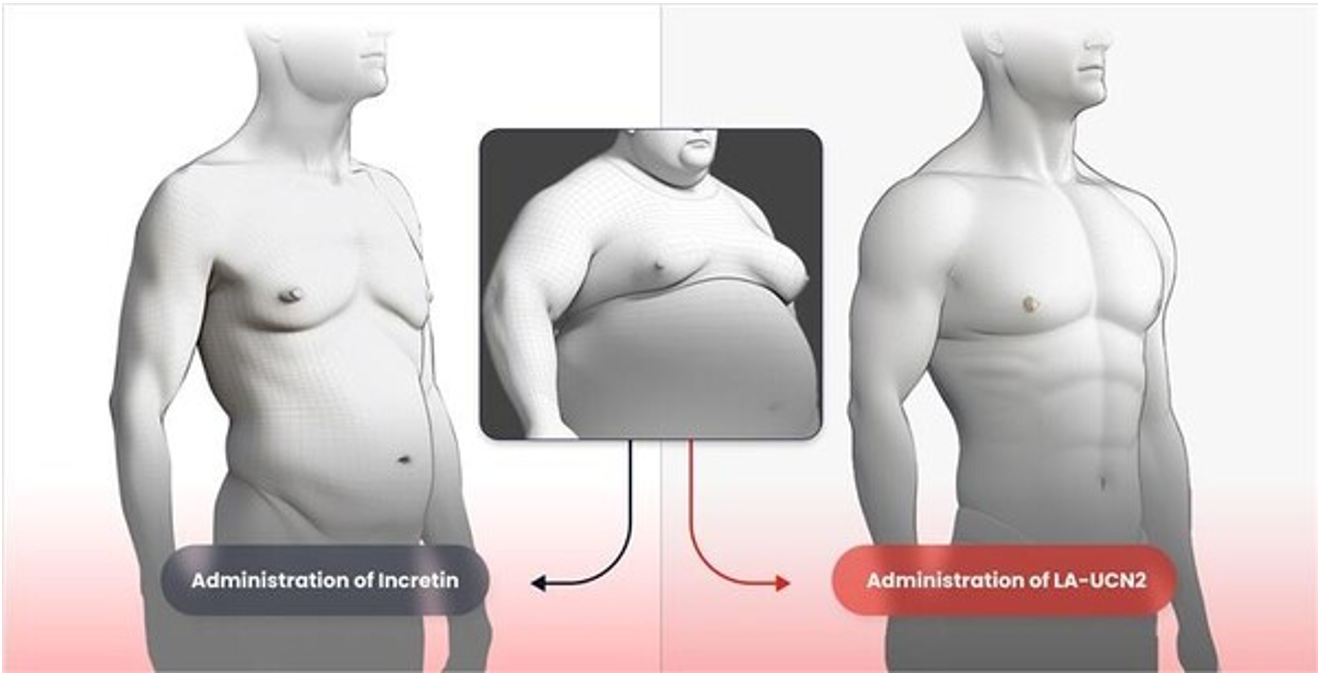
In fact, US biotech pioneer Genentech liked the drug so much that it paid Hanmi up to US$2.3 billion for the ex-Korea rights of HM17321 last month, if all milestones are met. So while the drug is in early development, Genentech might be seeing something that others aren't.
Meanwhile, Novo Nordisk's Wegovy dominates the Japanese market, where it received approval in 2023. But access remains restricted to specialists.
In Japan, Eli Lilly just poured another US$126 million into its factory in Kobe, on top of a US$3 billion investment in China. This capex will ramp up capacity for Eli Lilly's new oral pill.
Oral pills will likely be the next frontier for GLP-1 drugs in Asia. The reality is that consumers are much more willing to take drugs orally than through injections. In addition, injections require cold-chain distribution, which remains rare in emerging Asia. In contrast, room-temperature pills can be distributed anywhere, making GLP-1 drugs even more popular than they are today.
3. A price war in India
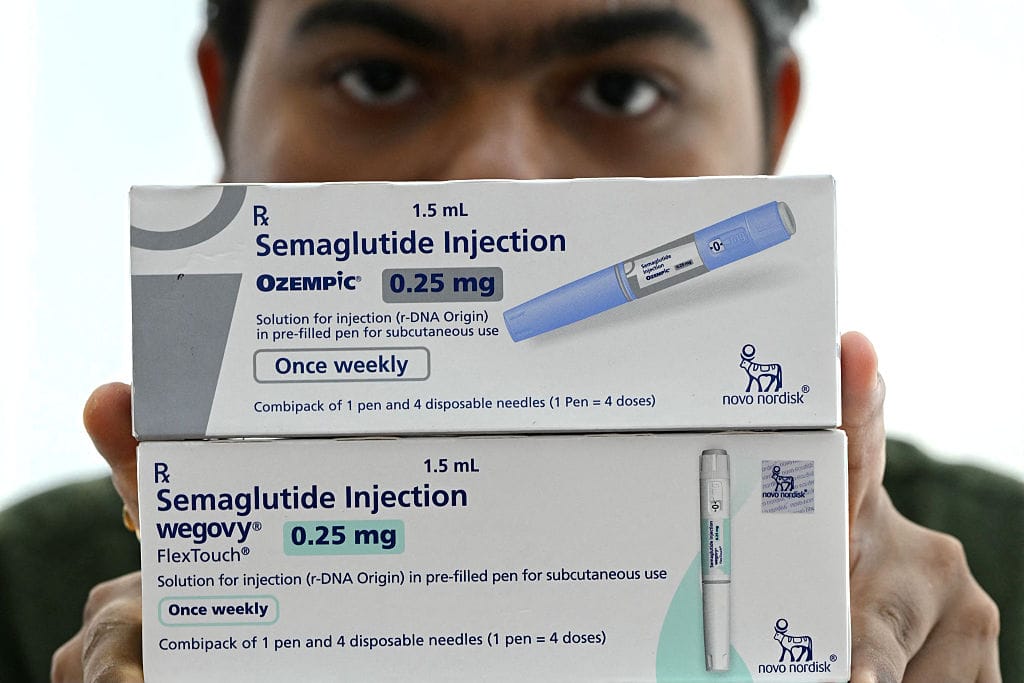
In India, there's been a ruthless price war for GLP-1 drugs.
The trigger was Novo Nordisk's Indian patent on semaglutide expiring on 20 March 2026. Within 24 hours, more than five Indian generic companies launched branded copies, driving GLP-1 drug prices down by as much as 90%.
The market is massive, though. There are over 70 million obese individuals in India. And analysts at Nomura see the market growing sevenfold over the next five years. Competition will be cutthroat, though, and profits will probably be elusive.
There are a few exceptions, though, of companies with stronger market positions:
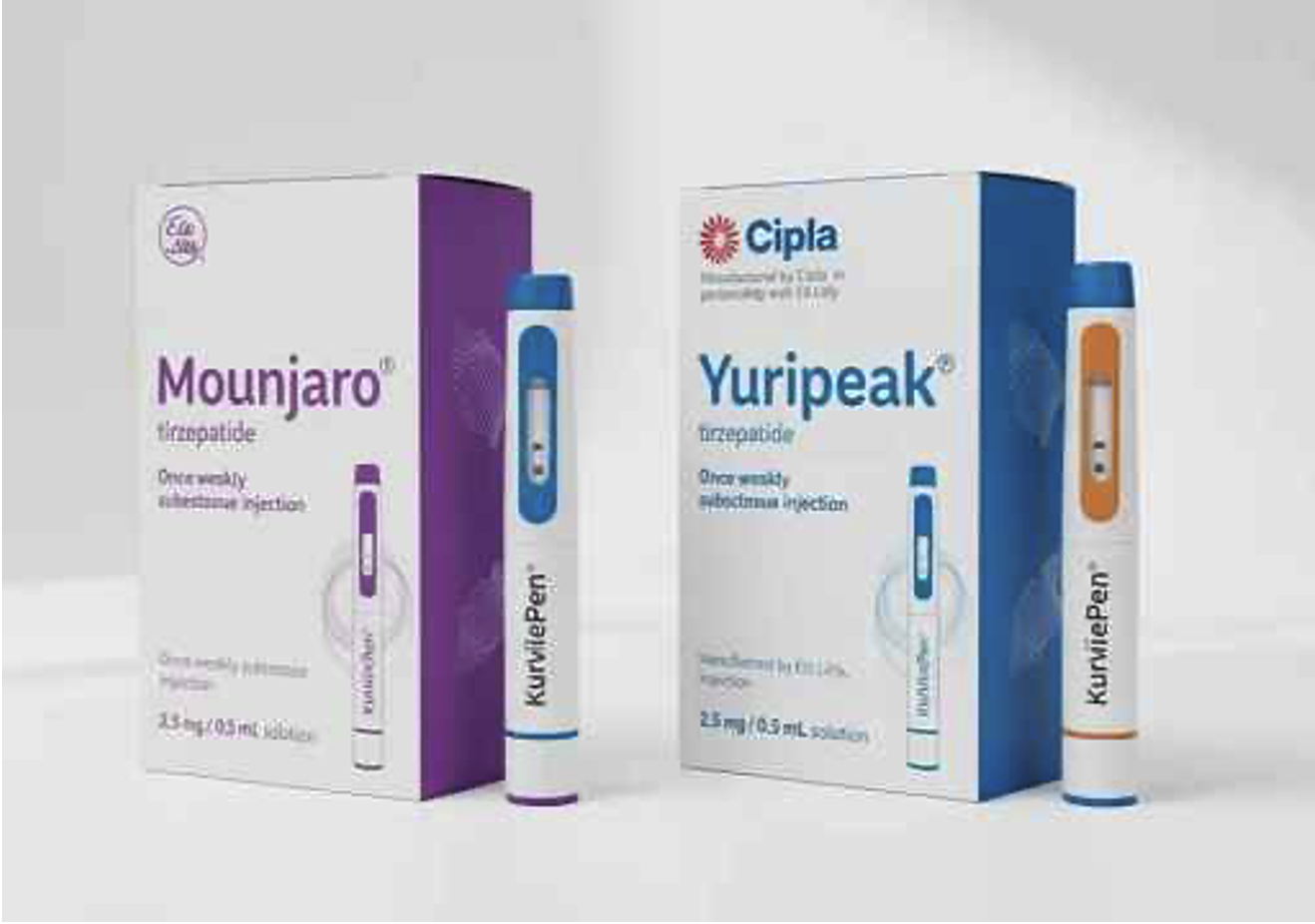
- The large pharmaceutical company Cipla (CIPLA IN – US$12 billion) chose not to compete directly. Instead, it partnered with Eli Lilly to sell its tirzepatide drug across India. Since tirzepatide hits both GIP and GLP-1 receptors simultaneously, it offers higher margins than mainstream semaglutide drugs.
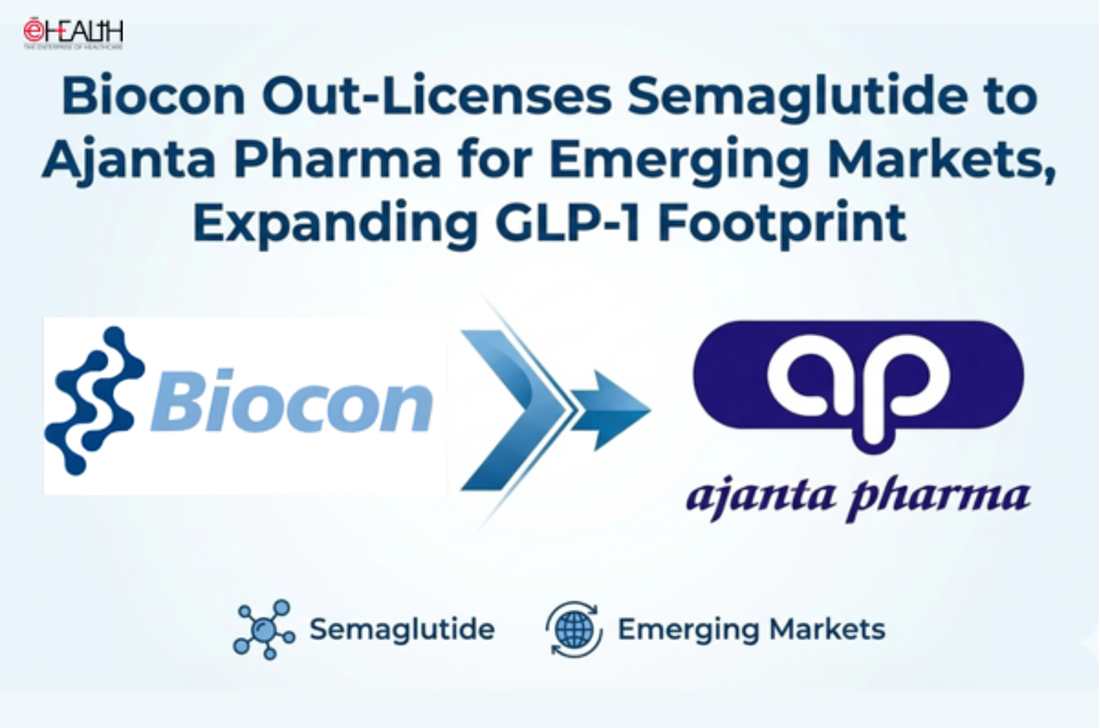
- Then there's Biocon (BIOS IN – US$6.6 billion), a supplier of semaglutide to its Indian peer Ajanta Pharma (AJP IN — US$4.6 billion). Ajanta holds the export rights for semaglutide in 26 markets across Africa, the Middle East and Central Asia, so Biocon should benefit from any increased popularity of GLP-1 drugs in these markets. Biocon is also bullish about Brazil, Canada and Turkey – three other markets where patent cliffs happened or will happen in 2026.
4. Behavioral changes from GLP-1

So what will be the effect of increased GLP-1 usage across Asia?
The biggest change is that hunger tends to go away:
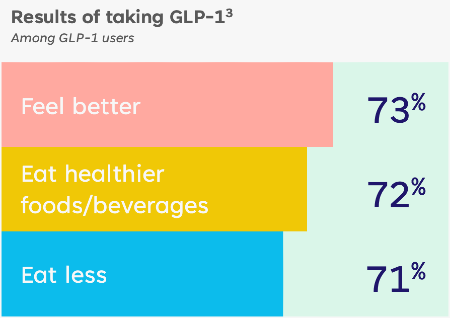
And it's not just about eating less. Consumers on GLP-1 drugs tend to want to eat healthier food overall. That's part of why demand for supplements like Omega-3 and peptides has gone up.
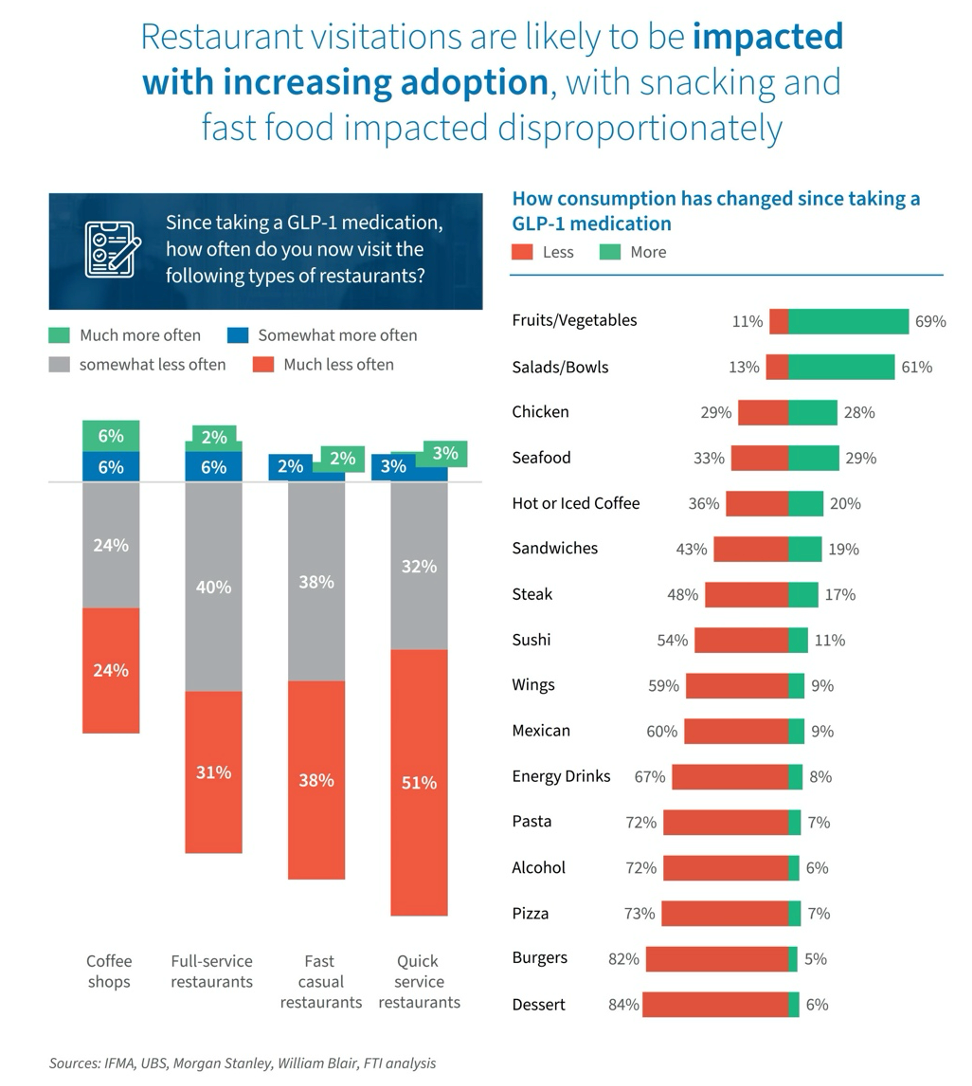
Overall, though, expect food spending to go down. Household data from Cornell/Numerator shows that GLP-1 users cut overall grocery spending by -5%. The hardest-hit category has been savory snacks, down -10%. Meanwhile, spending on fast-food restaurants fell by -8%.
A similar study from McKinsey shows that chips and other savory snacks have been the hardest-hit category, followed by sweet bakery products and frozen side dishes.
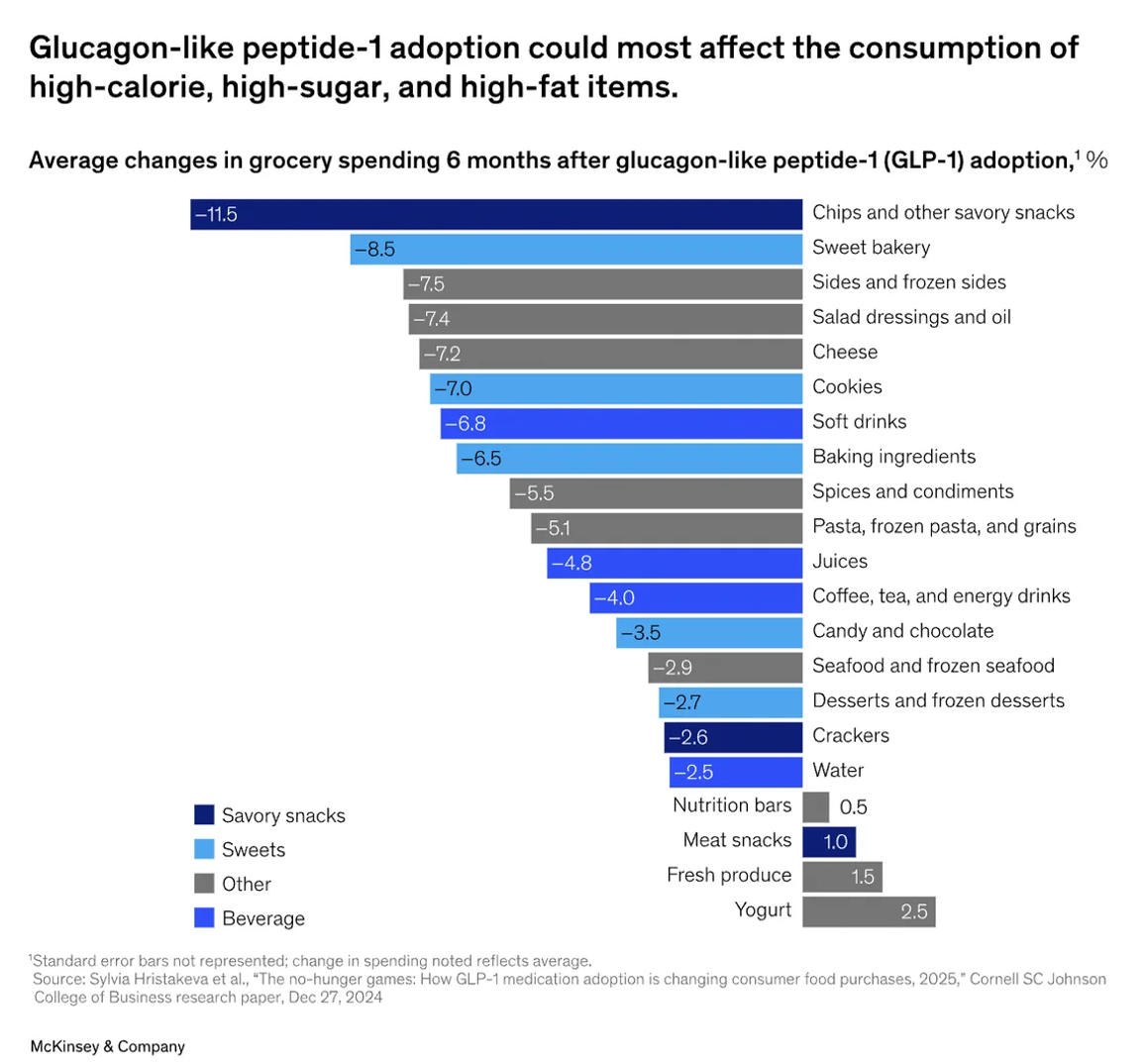
The only caveat is that both studies are from the United States. As far as we know, no study has examined Asian consumers yet, as GLP-1 usage in the region remains well below 1%.
As mentioned earlier, typical GLP-1 drugs tend to lead to muscle loss. So users end up consuming protein powder and other types of sports supplements to make up for that muscle loss. Many of them also end up hitting the gym to rebuild muscle.
To summarize, increased GLP-1 usage is likely to hit the consumption of packaged food, savory snacks, and fast food. And if anything, increased GLP-1 usage might actually be positive for companies selling protein supplements, premium foods or drinks that promote a healthy gut.
5. GLP-1 stocks in Asia
Let's talk about a few companies that will be directly affected by the increased GLP-1 drug use in Asia.
Many investors will probably be tempted to buy drug makers with exposure to GLP-1 drugs. However, be aware of coming patent cliffs and the high cost of these drugs, especially given the low income levels across much of Asia.
Ajanta Pharma (AJP IN — US$4.6 billion) is one of the more direct exposures to generic semaglutide outsida India. It plans to sell GLP-1 drugs across 26 markets in Africa, the Middle East, and Central Asia, sourcing product from Biocon and selling through its own sales force.
Even before the advent of GLP-1 drugs, Ajanta had done well. Revenue has grown every year since 2021, accelerating to +17% year on year in 2025. Margins have held steady near 24%. It also has a strong balance sheet.
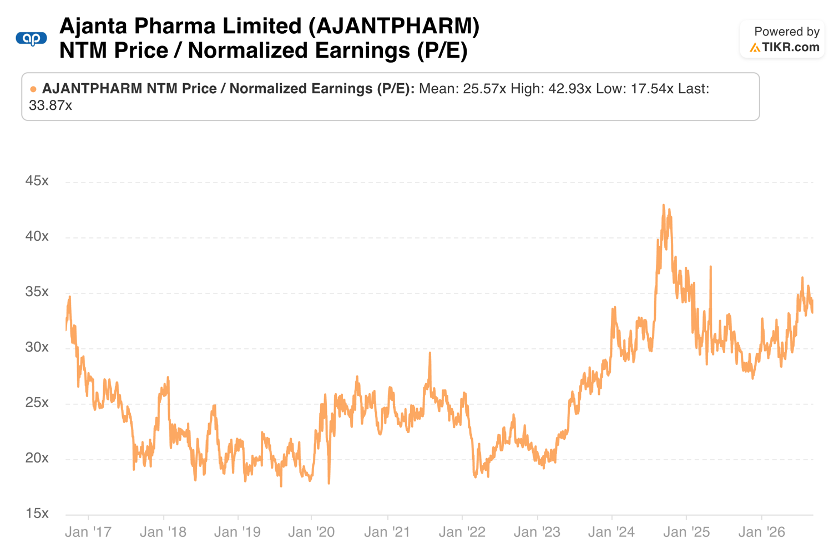
On the other hand, the P/E is now in the high 30s. That's normal for Indian pharmaceutical companies, but a high multiple that leaves little room for disappointment.
The risk with Ajanta is that it doesn't control its own supply: it's dependent on Biocon. Meanwhile, semaglutide still needs regulatory approvals in many of the 26 target markets, so the timing and scale of any contribution are uncertain. Pricing is yet another question.
Another company that directly benefits from the roll-out of GLP-1 drugs in Asia is South Korean diagnostics company InBody (041830 KS – US$573 million). The company is known for its body composition analyzers, which give users an accurate picture of their muscle-to-fat ratios. This gives clinics a real way to check whether GLP-1 treatments are working the way they should.

In China, InBody has partnered with global pharmaceutical companies to install its devices in pharmacies that dispense GLP-1 treatments. InBody has also partnered with fitness race company Hyrox, pushing its products into the consumer market.

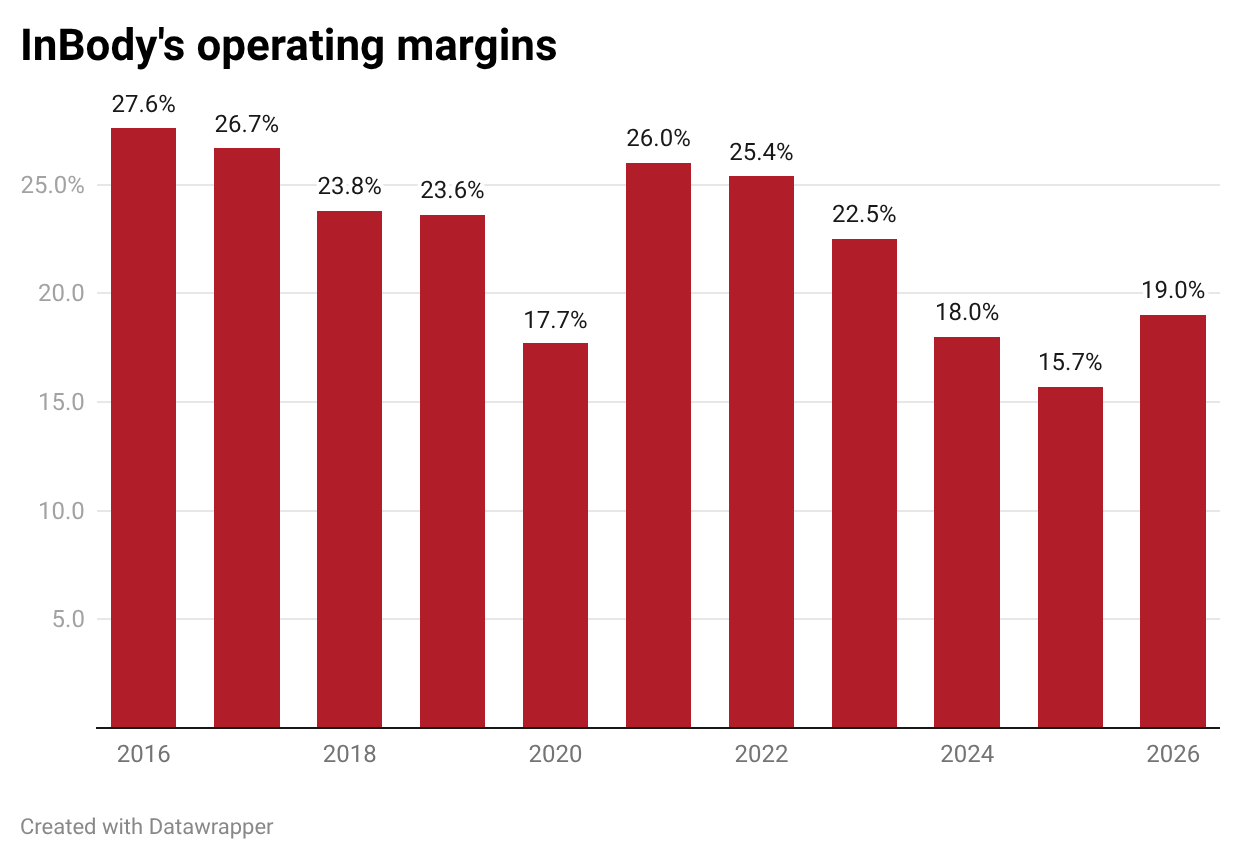
InBody's revenues have grown nicely over time, but the operating margin fell from 26% in 2021 to 16% in 2025. This year, however, the operating margin has rebounded, with further positive guidance ahead.
Analysts estimate +39% earnings growth over the next two years. If correct, the forward P/E will be 13.5x, along with a net cash balance sheet.
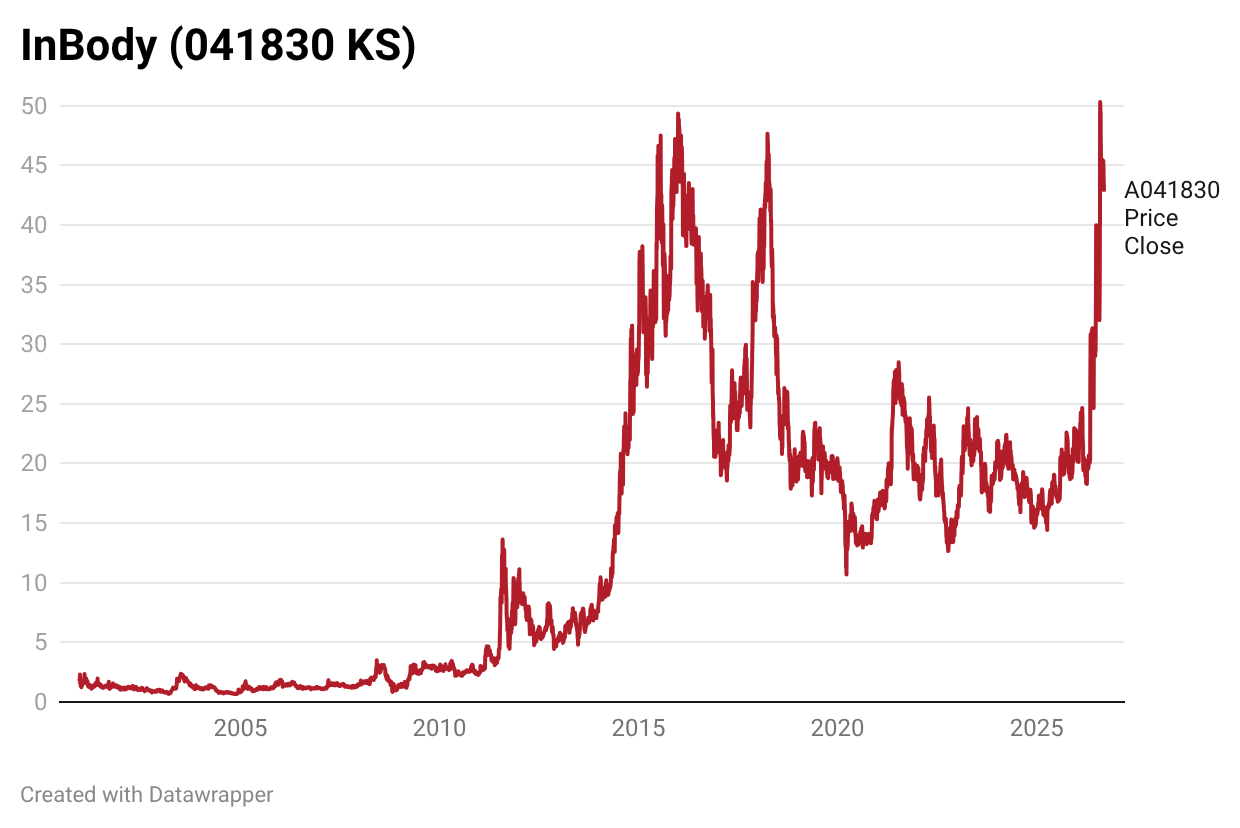
However, the share price has more than doubled over the past year, so the recovery may already be priced in.
Now, let's talk about two companies that might be hurt by increased GLP-1 usage in Asia.
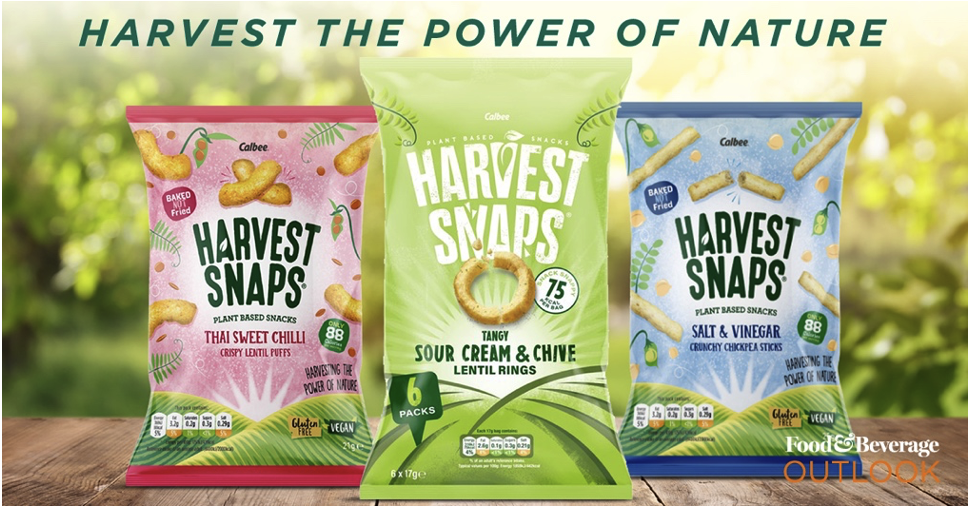
One such company is the Japanese snack maker Calbee (2229 JP – US$2.4 billion). It's best known for its potato and veggie chips – savory snacks that are likely to get hit if GLP-1 drugs become more popular.
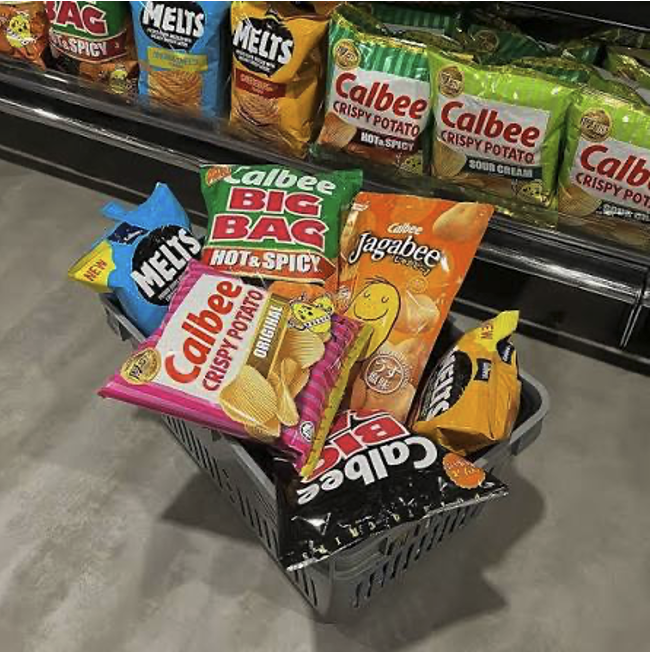
In response, Calbee has revamped its veggie chips to emphasize fiber and protein and attract more health-conscious customers. This does seem like a defensive manoeuvre.
This repositioning is also hurting Calbee's financials. In the last financial year, revenues grew +6% year-on-year, but earnings fell -16%.
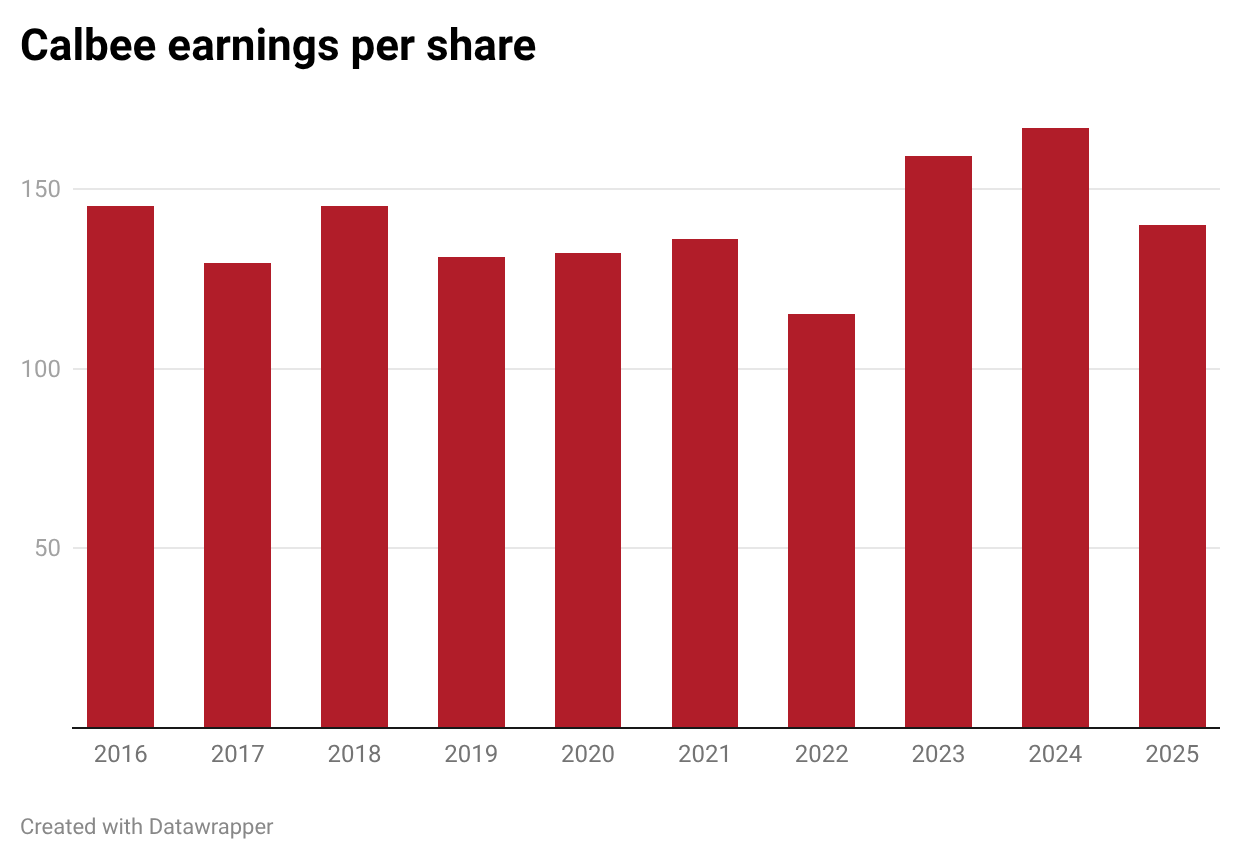
So while Calbee's business seems relatively resilient, it does seem to be at risk from increased GLP-1 usage.
Another company that's at risk is Australia's ResMed (RMD AU – US$31 billion). ResMed makes CPAP machines for sleep apnea – a condition that's linked to obesity.
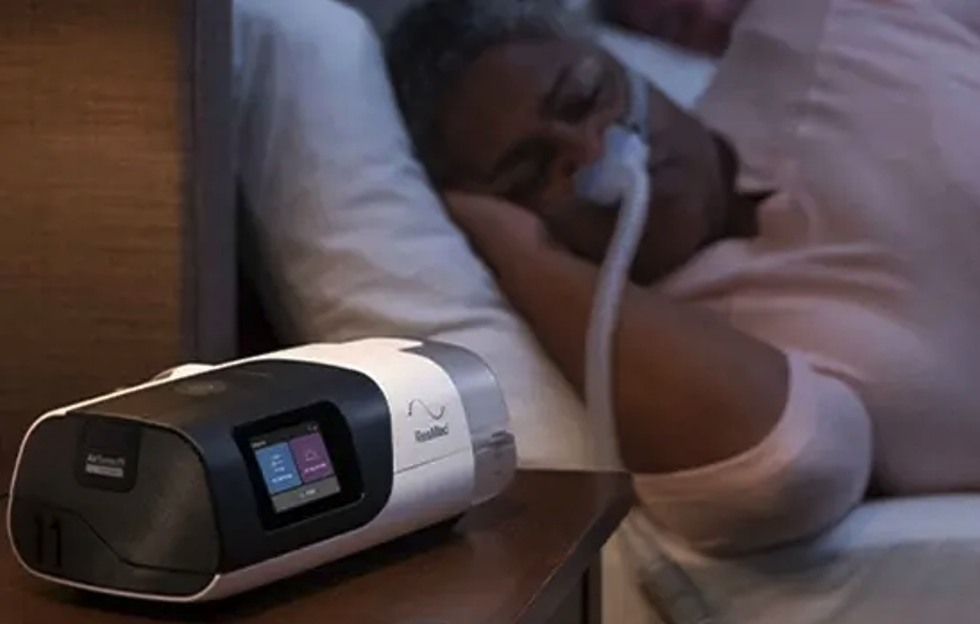
Sell-side firms like Morgan Stanley have grown skeptical of the company, citing GLP-1 risk to the business. However, it has also faced unrelated problems, including ventilator safety issues. The underlying business has performed okay, with last quarter revenues up +9% year-on-year and earnings per share up +2%.
However, ResMed is a global business, and GLP-1 drug penetration in much of the world remains minuscule. So it's probably too early to tell whether the bear case has legs. Or whether analysts are simply exaggerating the impact that these drugs are going to have on sleep apnea.
6. Conclusion
GLP-1 adoption in Asia is still early, with penetration below 1% in most markets. Demand is likely to grow, providing a multi-decade tailwind for several industries, including drug makers and diagnostics companies.
That said, India's price war shows how quickly generics can erode margins once patents expire. And weak affordability limits pricing elsewhere.
The negative impact on food and beverage consumption remains theoretical, as we don't know how big Asia's GLP-1 usage will eventually get.
In any case, GLP-1 drugs are here to stay, and we need to take their effect into account. We might be getting closer to a world where obesity is less of an issue than it once was. And this will have significant ramifications across a wide variety of industries.