Casio Computer (6952 JP)
G-Shocks have become cool, and increasingly price-competitive with the weaker yen

Disclaimer: Asian Century Stocks uses information sources believed to be reliable, but their accuracy cannot be guaranteed. The information contained in this publication is not intended to constitute individual investment advice and is not designed to meet your personal financial situation. The opinions expressed in such publications are those of the publisher and are subject to change without notice. You are advised to discuss your investment options with your financial advisers, including whether any investment is suitable for your specific needs. From time to time, I may have positions in the securities covered in the articles on this website. Full disclosure: I do not hold a position in Casio Computer at the time of publishing this article. Note that this is a disclosure and not a recommendation to buy or sell.
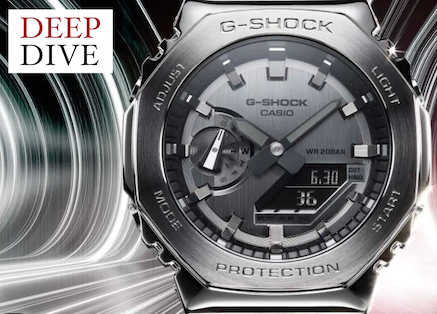
Casio Computer (6952 JP) is a Japanese consumer electronics company that’s most famous for its G-Shock branded durable wristwatches.
The company was formed in 1957 as four brothers of the “Kashio” family got together to produce and market an electronic calculator. Over time, Casio added other consumer electronics products, such as cash registers, digital cameras and wristwatches.
Casio engineer Kikuo Ibe created the first G-Shock watch in 1983. Legend has it that he accidentally dropped and broke a pocket watch given to him by his father. After designing 200 prototypes, he finally devised the G-Shock design - a wristwatch with ten layers of protection and a floating quartz timekeeping module inside.
What makes G-Shock watches unique is the fact that they are virtually indestructible. And the battery life lasts for many years. That makes them low-maintenance watches you do not need to worry about. As co-inventor Yuichi Masuda described G-Shock’s niche:
"We believe that the ideal final form for a timepiece is to be something that continues to display the time properly in any environment and without the need for user interaction and that can be used forever. Put another way, this means having no need for recharging, battery replacement, or any maintenance”
Undoubtedly, the rise of the Apple Watch and other fitness trackers poses a challenge to the traditional watch industry. But G-Shock sales volumes have kept rising throughout the past decade, more than doubling since the early 2010s, showing that they can hold their own.
The other parts of Casio’s business are not doing as well. The scientific calculator business is steady but may not be as relevant in the age of iPads and smartphones. The cash register business may not be as relevant in a cashless future. The electronic music instrument business is doing well but faces competition from Yamaha.
What brings hope is Casio’s new management team since 2018. Current Chairman and CEO “Kazuhiro Kashio” is the son of one of the founders. His impact on Casio should not be underestimated. Some of the reforms undertaken include:
- An early retirement program to bring in new blood into the senior executive rank
- Most senior executives have been replaced with younger faces
- The organisation structure has become flat, forming “business units” where planning and development work together with marketing personnel to understand customer needs.
- Casio now has an explicit focus on maximising return on capital employed
We are seeing early signs of success from this reorganisation. The digital camera business was shut down. Casio is rolling out high-margin subscription services for its cash register business. And the company’s digital marketing is improving with a focus on direct relationships with customers that are targeted individually.
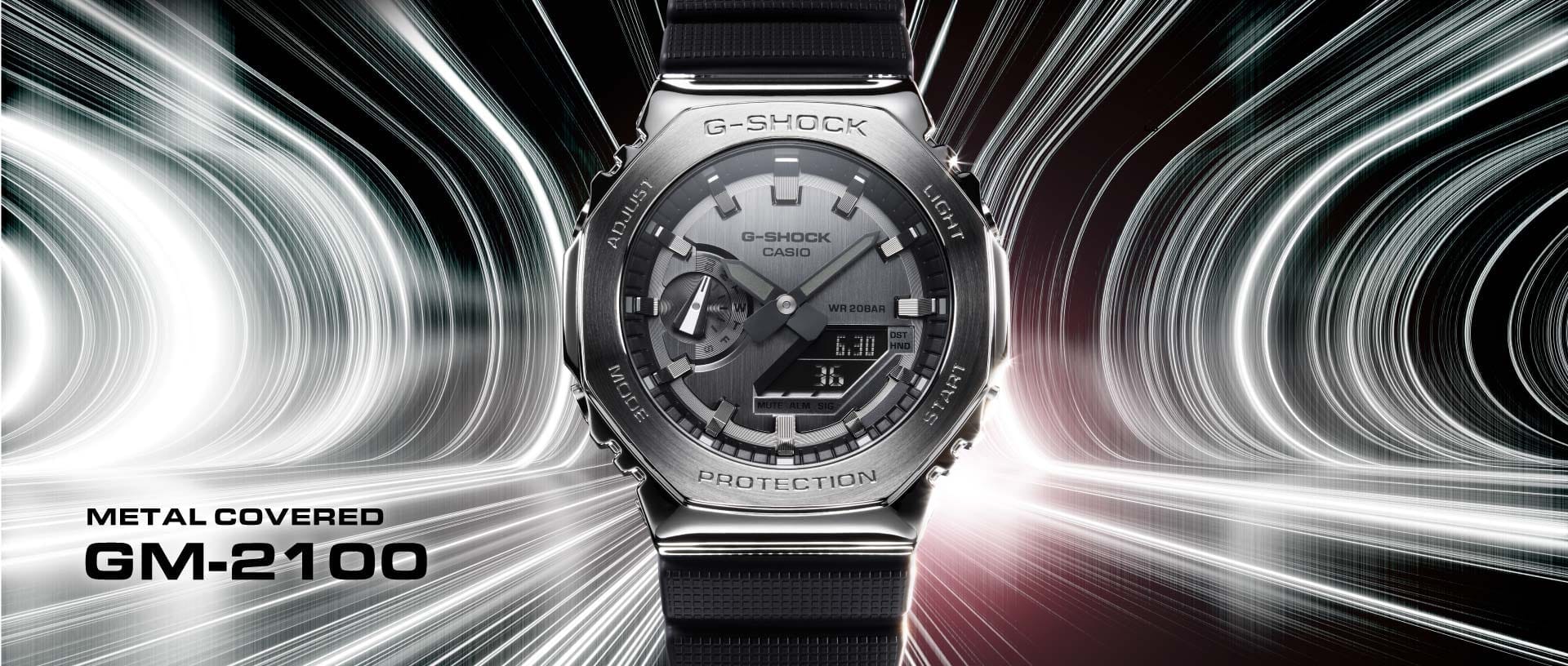
And the G-Shock division is showing signs of life. Since 2019, G-Shock has started releasing metal and carbon versions of its wristwatches, and those watches have become highly sought after. For the first time in four decades, G-Shocks are not only durable but also starting to become - dare I say it - cool?
The weakness of the Japanese yen also helps. Casio has 75% of its revenues from overseas, and much of its production is in Japan. The depreciation has caused Casio’s enterprise value to reach an all-time low, despite the improvements that have taken place since 2018.
There have been a few other challenges during COVID-19, including lockdowns in China, high freight and raw materials costs, semiconductor chip shortages and offline store and school closures. But those problems are most likely temporary.
Exactly how much Casio will benefit from the weak yen is unclear. Operating profit increased materially when the yen depreciated from 2012 to 2015. This time around, I expect around a JPY 10 billion to JPY 20 billion boost to operating profit, leading to a P/E ratio of 10-12x coming out of COVID-19, despite a current net cash position of 26% of the market cap.
While there is no real competition within Casio’s niche of cheap, durable watches, technology improvements may one day make Apple Watches cheaper and with longer-lasting battery life. For now, I believe that both can co-exist within their respective niches.
Click the “Read now” button below to access the full PowerPoint presentation: