
Disclaimer: Asian Century Stocks uses information sources believed to be reliable, but their accuracy cannot be guaranteed. The information contained in this publication is not intended to constitute individual investment advice and is not designed to meet your personal financial situation. The opinions expressed in such publications are those of the publisher and are subject to change without notice. You are advised to discuss your investment options with your financial advisers, including whether any investment suits your specific needs. From time to time, I may have positions in the securities covered in the articles on this website. Full disclosure: I do not hold a position in Treasury Wine Estates at the time of publishing this article. To reiterate, this post and the presentation below are for informational and educational purposes only—not a recommendation to buy or sell shares.
Treasury Wine Estates (TWE AU — US$3.0 billion) is one of the world's largest wine producers globally. And it's one of the very few large companies in Australia trading at a reasonable valuation multiple.
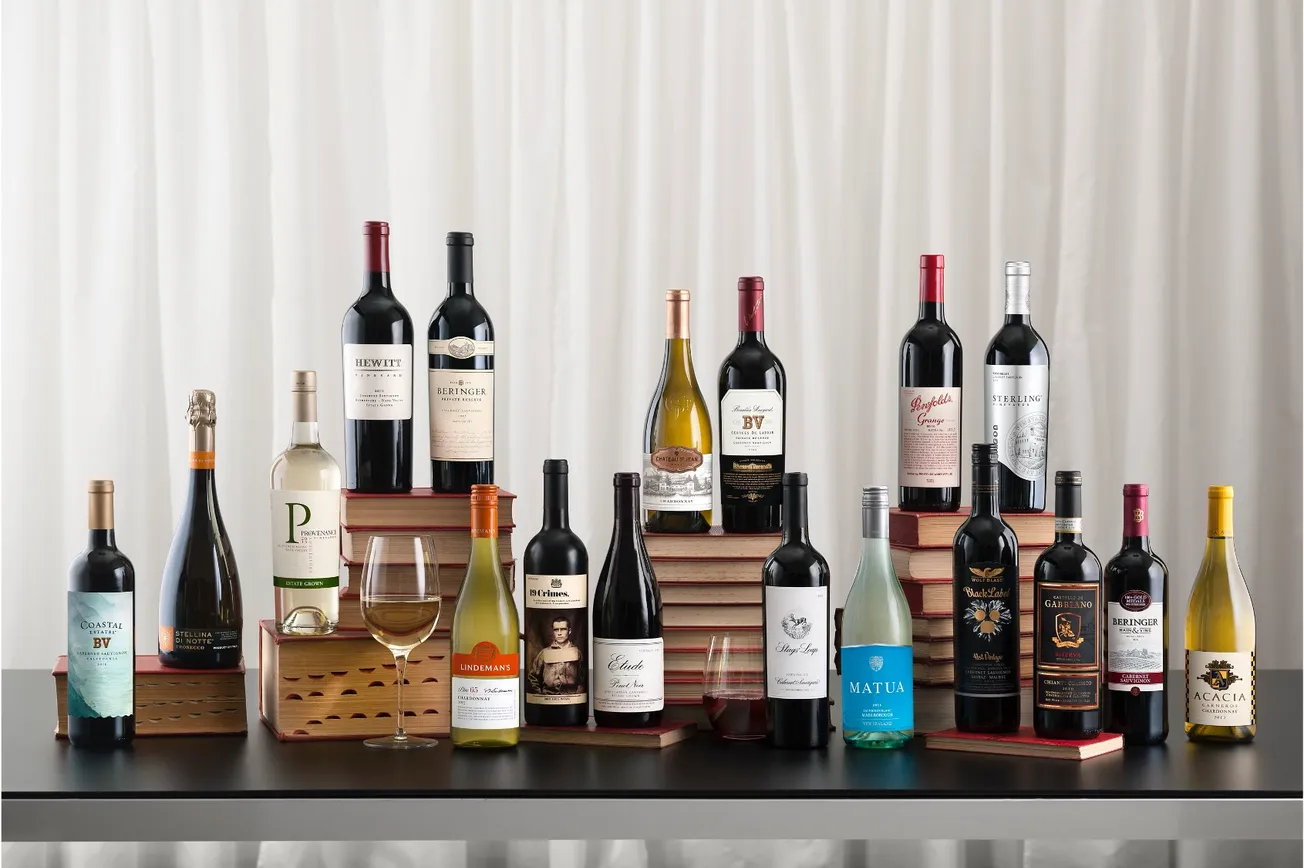
It started as the wine division of brewery giant Forster's Group. From the 1990s onwards, Foster's acquired vineyards and brands such as Penfolds, Lindeman's and Beringer.
But throughout the 2000s, this wine division underperformed, draining cash from Foster's highly profitable beer business. So in 2011, it was eventually spun off into a separately listed entity called Treasury Wine Estates (TWE).
After Mike Clarke took over as CEO in 2014, the company has embarked on a premiumization strategy that led to operating margins rising from mid-single digits to 20%. TwE also acquired Diageo's wine business for 8x EBITDA. TWE also benefitted from the 2015 China-Australia Free Trade Agreement, which helped Penfolds become one of the top-selling luxury wines in China.
Then came COVID-19. Early on during the pandemic, the Australian government called for an independent investigation into the origins of COVID-19. Shortly thereafter, the Chinese government imposed tariffs of up to 218% on Australian wines, causing demand for Penfolds wines to slump.
By that time, the company was under the CEO Tim Ford. He responded to tariff shock by shifting focus to the US market. Under his leadership, TWE acquired DAOU Vineyards for 15x EBITDA. And throughout this period, TWE added 1.9x EBITDA of debt to the balance sheet.
And that brings us to today. Treasury Wine Estates now has a portfolio of great brands, including Penfolds, DAOU, Beringer, Lindeman's, Frank Family and 19 Crimes. Many of them are luxury brands, which tend to carry higher margins. Typical Penfolds Koonunga Hill costs no more than AU$20, but higher-end products such as Penfolds Grange can cost AU$1,000 or more.
Winemaking is a tricky business. Vineyards need to invest in costly acreage. They also need to invest in capital equipment, such as presses, fermentation vessels, and oak barrels. Most importantly, luxury wines need to be aged 2-4 years, tying up capital in inventory. And if a wine becomes popular, you can't just scale up production to meet demand. It would take years and require stringent quality controls.
That said, TWE's return on capital employed is respectable at 11-12% – almost on par with key spirits companies. This high ROCE is thanks to its focus on higher-end wines, which tend to carry high margins.
It's also a fact that TWE's revenues and earnings per share have grown over time, although at a slow rate:

However, in the past year, the stock price dropped by over 50%. It's due to several factors:




)