Table of Contents
Disclaimer: This article constitutes the author’s personal views and is for entertainment and educational purposes only. It is not to be construed as financial advice in any shape or form. Please do your own research and seek your own advice from a qualified financial advisor. From time to time, the author might hold positions in the stocks mentioned below consistent with the views and opinions expressed in this article. This is a disclosure, not a recommendation to buy or sell stocks.
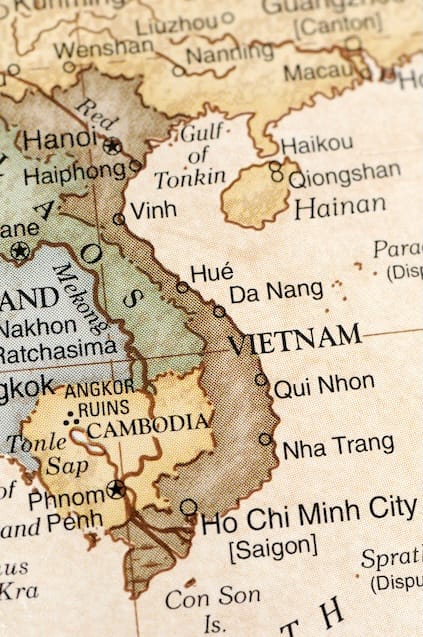
I just came back from a five-day trip to Vietnam.
Vietnam was the location of this year's FatAlpha Value (Asia) conference, organized by Cypriot Sophocles Sophocleous. A fantastic event that brought together 40 investors from around the world to meet, share investment ideas, and learn about Vietnam.
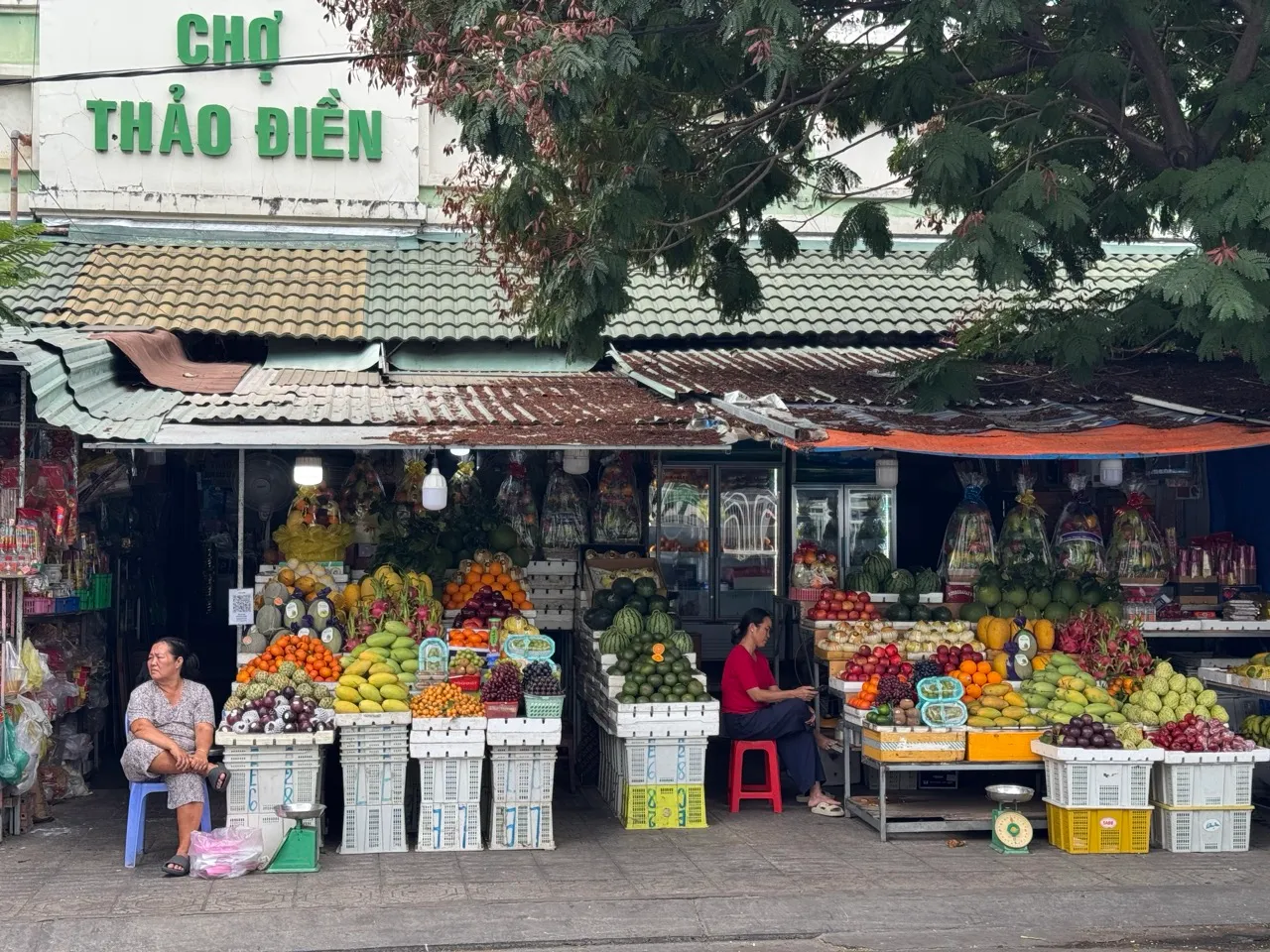
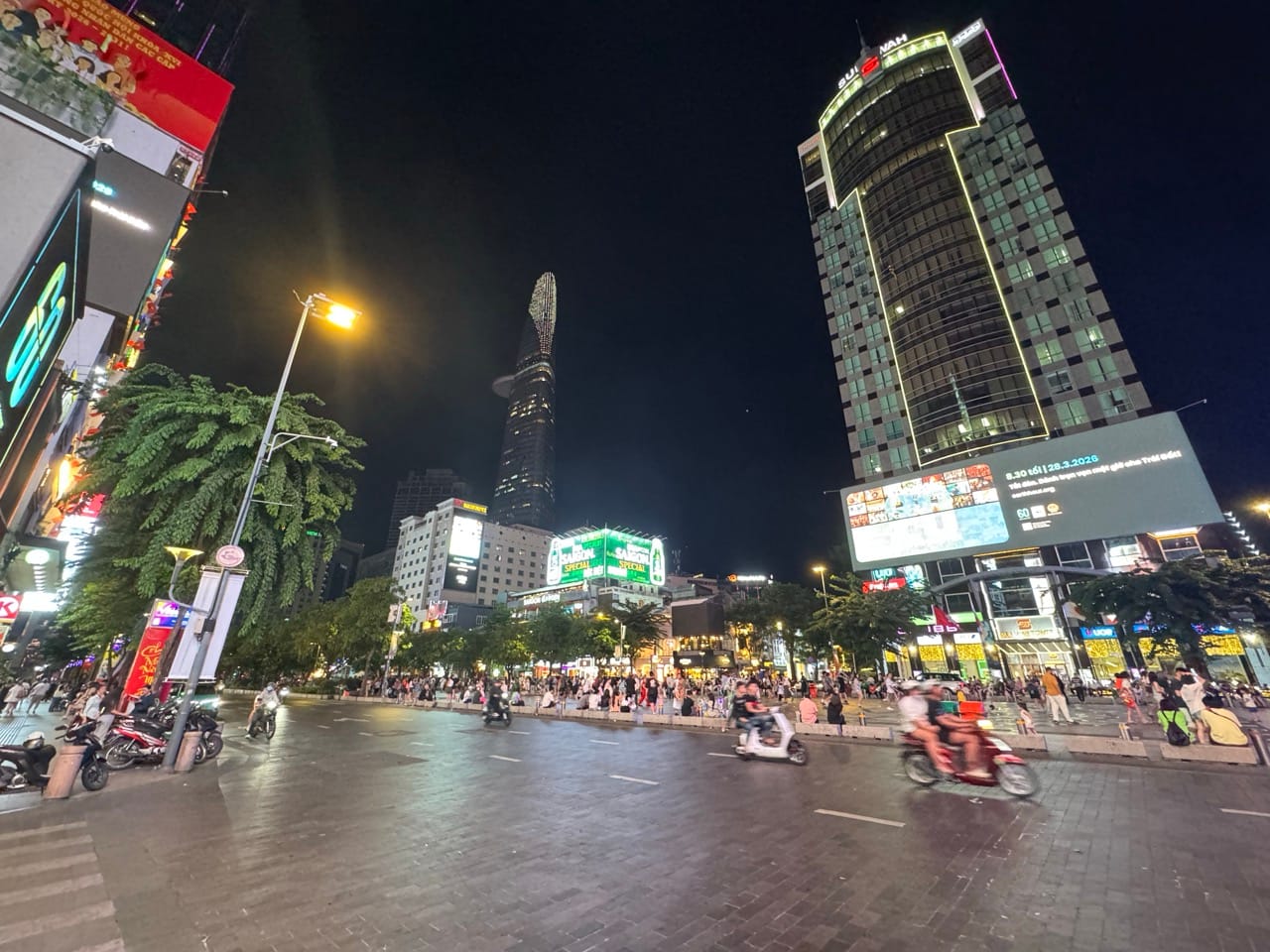
I've been to Vietnam several times before. But even so, I was pleasantly surprised by the buzz of activity across the streets of Ho Chi Minh – the commercial center that was formerly known as "Saigon".
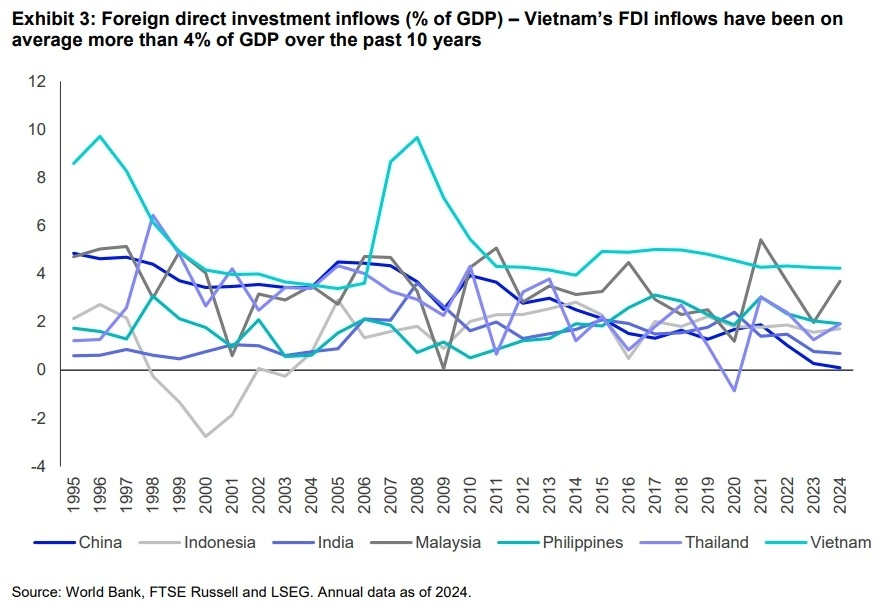
Vietnam's growth took off after its entry to the WTO in 2007. Foreign direct investment poured in, and textile and electronics plants sprang up across the country.
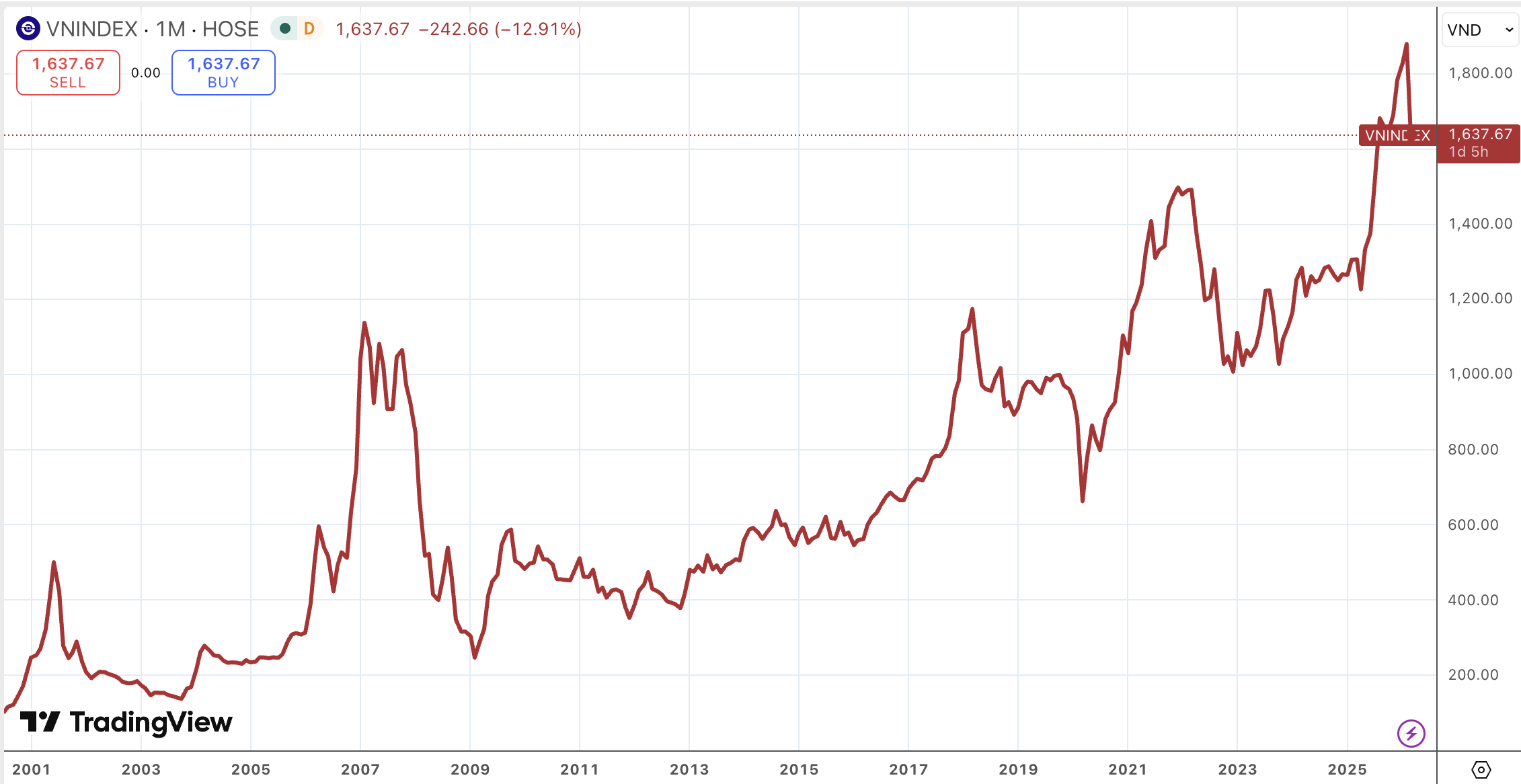
However, a stock market bubble popping and malinvestment in the property market caused a bust that lasted through the mid-2010s.
I remember visiting an investor conference in 2014, when a Vietnamese fund manager told me he had lost all faith in the country. He recommended me to stay away from Vietnamese equities. This memory has stayed with me, because in hindsight, it proved to be almost the bottom of the Vietnamese stock market, at least in terms of sentiment:
From the WTO entry until today, Saigon's GDP per capita has risen from just about US$2,000 to almost US$10,000. In a global perspective, it's now a middle-income city. And on the ground, you can certainly feel that the city has grown wealthier.
That said, the country is still controlled by the Communist Party of Vietnam. And in recent years, there's been significant political infighting. In 2016, the previous General Secretary, Nguyen Phu Trong, launched his "Blazing Furnaces" anti-corruption campaign, which seemed to target anyone who wasn't ideologically aligned with him.
In 2024, the previous head of public security and the executor of the Blazing Furnaces campaign, To Lam, became the party's new General Secretary.
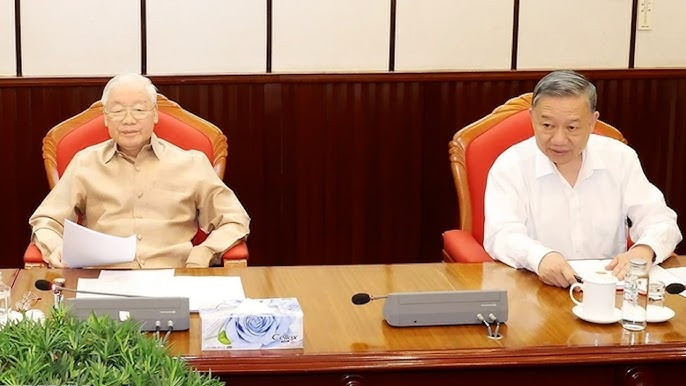
Several fund managers I spoke to said they had initial skepticism about To Lam. But so far, To Lam has proven surprisingly market-friendly, with a host of reforms that have helped private-sector entrepreneurship. He wants the private sector share of the economy to rise from 50% today to 70% by 2030. So To Lam is now seen more as a Deng Xiaoping-type reformer than a socialist ideologue.
And as VinaCapital's Michael Kokalari told us, the outlook for Vietnam is positive. He calls the country the last country to follow the East Asian Development Model: financial repression channelling savings into infrastructure, combined with foreign direct investment leading to technological spill-over effects and a general improvement in productivity.
Vietnam also benefits from the ongoing US-China trade spat, as China now faces an effective tariff rate 25 percentage points higher than Vietnam's. I heard of entire towns being created close to Vietnamese transhipment hubs, dominated by entrepreneurs from Mainland China. Vietnam is booming.
Across Saigon's suburbs, I saw massive housing blocks popping up everywhere, many developed by the country's largest conglomerate, Vingroup. Speculation is everywhere. Residential property cap rates can be as low as 2%, with individual luxury apartments often costing more than US$1 million. Home prices in Saigon have risen almost 50% in the past two years.
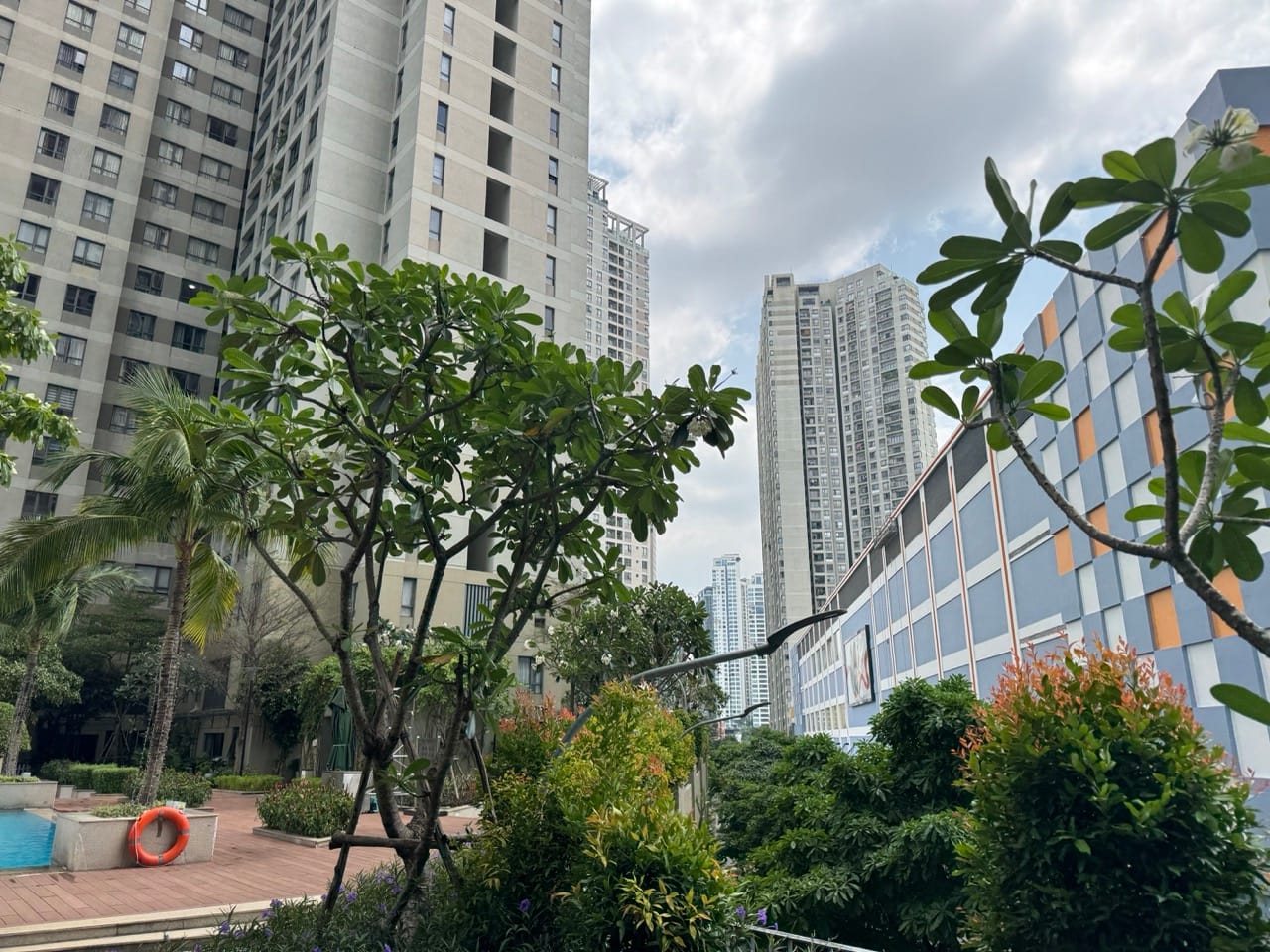
And there are still many low-hanging fruits. The highway between Ho Chi Minh City has still not been completed, perhaps due to local interests diverging from the national interest. Once the highway has been built, factories will likely be built even farther from the main ports in Hai Phong and Saigon.
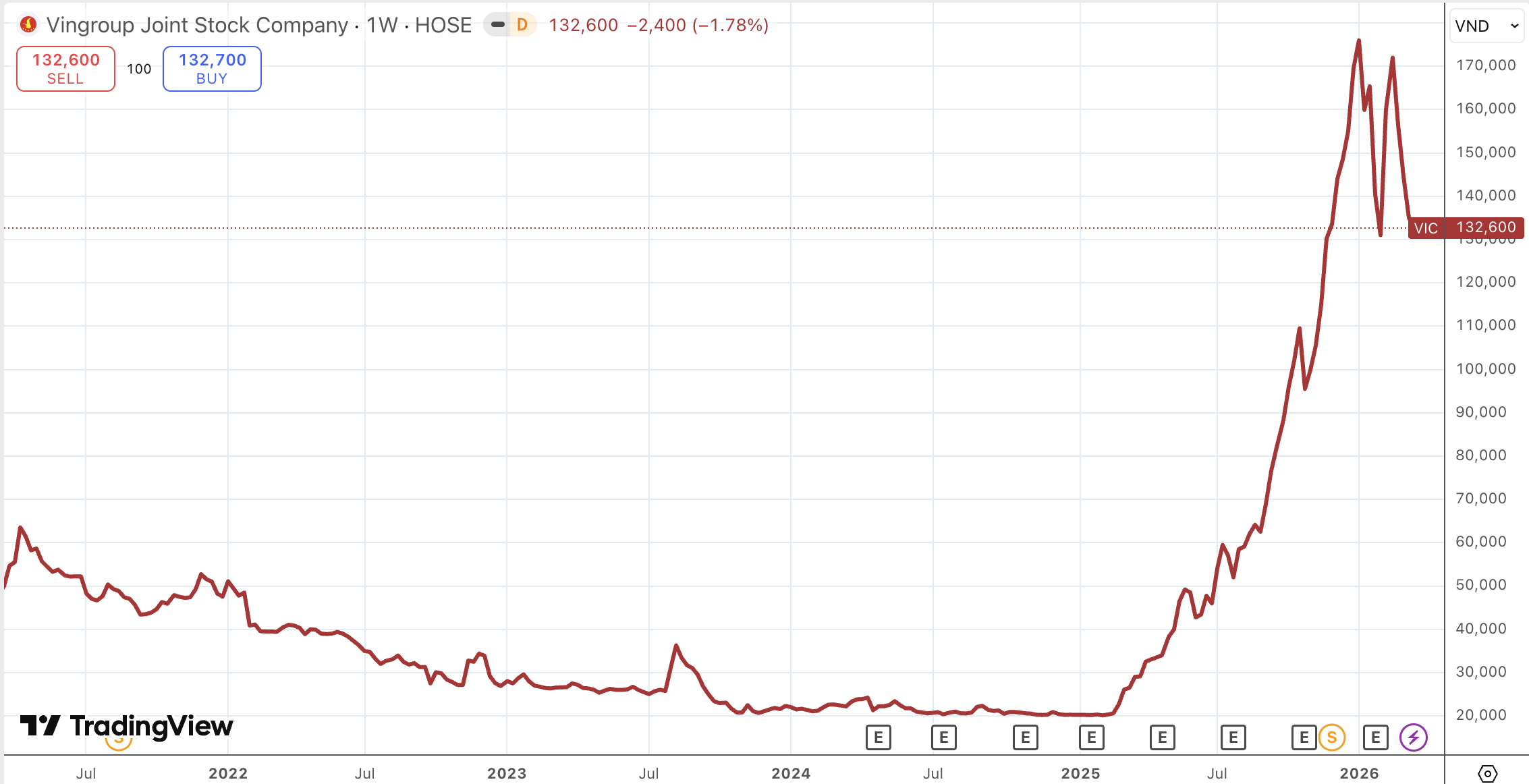
One Vietnam-focused fund manager told me that Vietnamese equities have become incredibly hot. Retail investors now account for 90% of trading volume. Just in the past year, they've been pushing up the price of the main index constituent Vingroup, a politically connected conglomerate.
A positive development will be Vietnam's September 2026 upgrade to Emerging Market status by FTSE Russell. That will likely lead to several billion USD in inflows to Vietnamese equities.
But then again, MSCI still considers Vietnam to be a frontier market. The country still has foreign ownership limits. And the country still has capital controls. Getting money in is not a problem, but getting it out often requires a lot of paperwork.
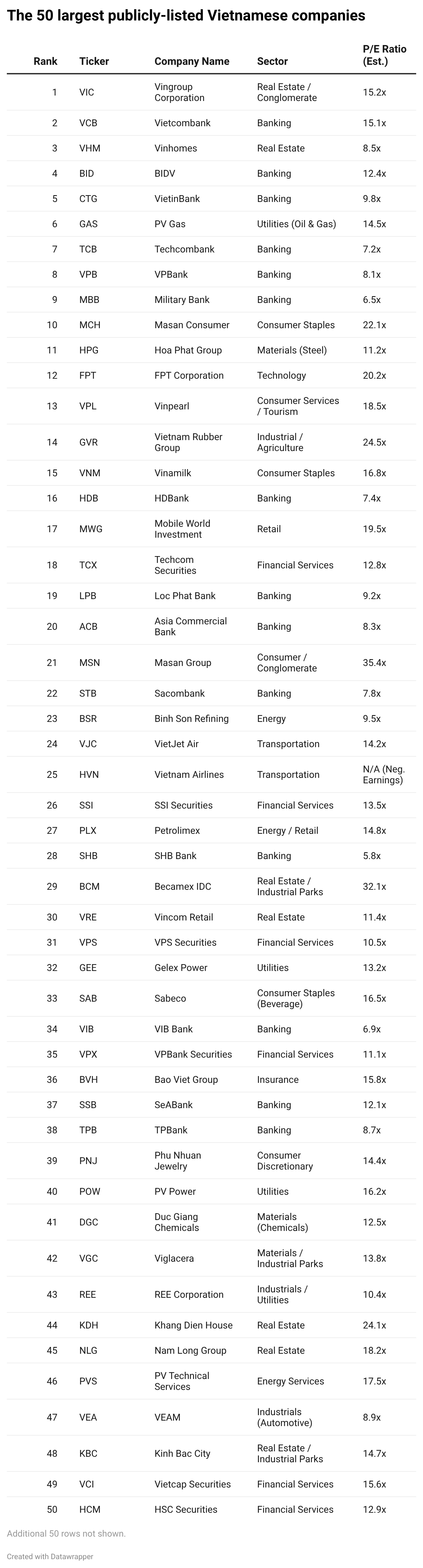
I was asked about the current opportunity set in Vietnamese equities. So I dug deeper into Vietnam's largest publicly listed equities. These are the top 50 stocks on the Ho Chi Minh Stock Exchange and Hanoi Stock Exchange:
Phillip Securities in Singapore and Saigon Securities in Vietnam both offer Vietnamese market access to international investors. More information here.
After the trip, I've added several Vietnamese stocks to my watchlist. These include state-owned dairy giant Vinamilk, Saigon Beer, duty-free retailer Taseco, retailer Phu Nhuan Jewelry, and the tech giant FPT Corporation.
Other ways to access Vietnam include the VanEck Vietnam ETF (VNM) or Jardine Cycle & Carriage, which owns several successful Vietnamese companies, including REE Corporation, Vinamilk and local conglomerate THACO.
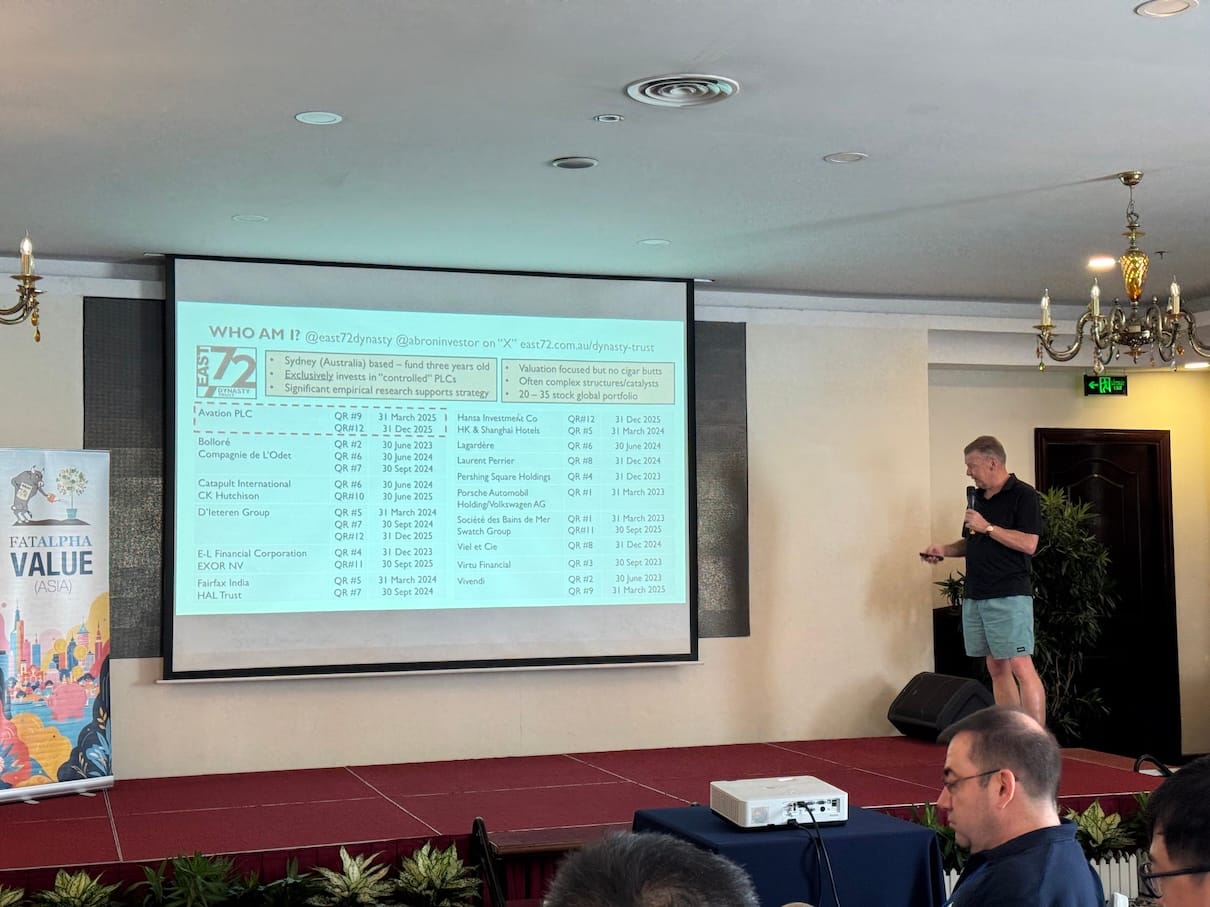
As for the conference itself, it was great. We focused almost entirely on international stocks, with each person presenting their best idea. I discussed the Japanese enterprise SaaS company Freee. Others pitched bombed out alcohol producers, cheap Hong Kong-listed dividend plays, and even gold miners and the case for uranium.
If you're interested in joining the FatAlpha Value (Asia) conference next year, keep an eye out for updates on the FatAlpha website. From what I understand, next year's conference will either take place in Kuala Lumpur, Malaysia, or Shenzhen, China.