
Disclaimer: Asian Century Stocks uses information sources believed to be reliable, but their accuracy cannot be guaranteed. The information contained in this publication is not intended to constitute individual investment advice and is not designed to meet your personal financial situation. The opinions expressed in such publications are those of the publisher and are subject to change without notice. You are advised to discuss your investment options with your financial advisers, including whether any investment suits your specific needs. From time to time, I may have positions in the securities covered in the articles on this website. Full disclosure: I do not hold a position in Metrodata at the time of publishing this article. To reiterate, this post and the below presentation are for informational and educational purposes only - not a recommendation to buy or sell shares.
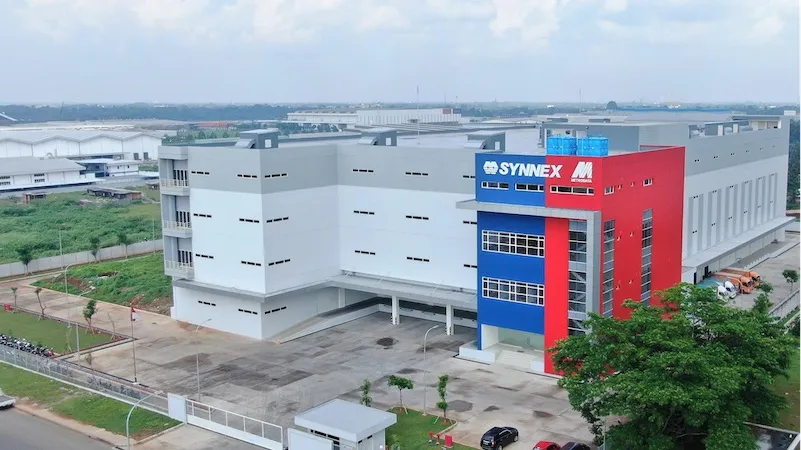
Metrodata (MTDL IJ — US$410 million) is Indonesia’s largest IT distributor.
Notebooks, smartphones, and network equipment all flow through Metrodata’s logistics facilities before they are sold to customers. Almost all global consumer electronics brands sell through Metrodata, giving it a nearly complete product portfolio.
In addition to distribution, the company serves as a system integrator (“digital solutions”): helping design, install and maintain complex hardware and software products from SAP, Workday, Cisco and others. Metrodata works with customers in the financial services, telecom, mining, and other industries to solve any possible IT issues.
These two businesses have helped Metrodata compound its earnings per share at a 22% annual rate over the past two decades. There’s every reason to think that growth will continue, with deferred revenues growing +39% year over year in the first half of 2024.
Distribution may seem like an industry ripe for disruption. But they do seem to serve an essential need, as evidenced by the success of IT distributors in other countries, including TD Synnex (SNX US - US$11 billion) in the United States, Daiwabo (3107 JP - US$1.5 billion) in Japan and Dicker Data (DDR AU - US$935 million) in Australia.
In my view, the business model works because:


)