
Disclaimer: Asian Century Stocks uses information sources believed to be reliable, but their accuracy cannot be guaranteed. The information contained in this publication is not intended to constitute individual investment advice and is not designed to meet your personal financial situation. The opinions expressed in such publications are those of the publisher and are subject to change without notice. You are advised to discuss your investment options with your financial advisers, including whether any investment suits your specific needs. From time to time, I may have positions in the securities covered in the articles on this website. Full disclosure: I do not hold a position in Ginebra San Miguel at the time of publishing this article. To reiterate, this post and the below presentation are for informational and educational purposes only - not a recommendation to buy or sell shares.
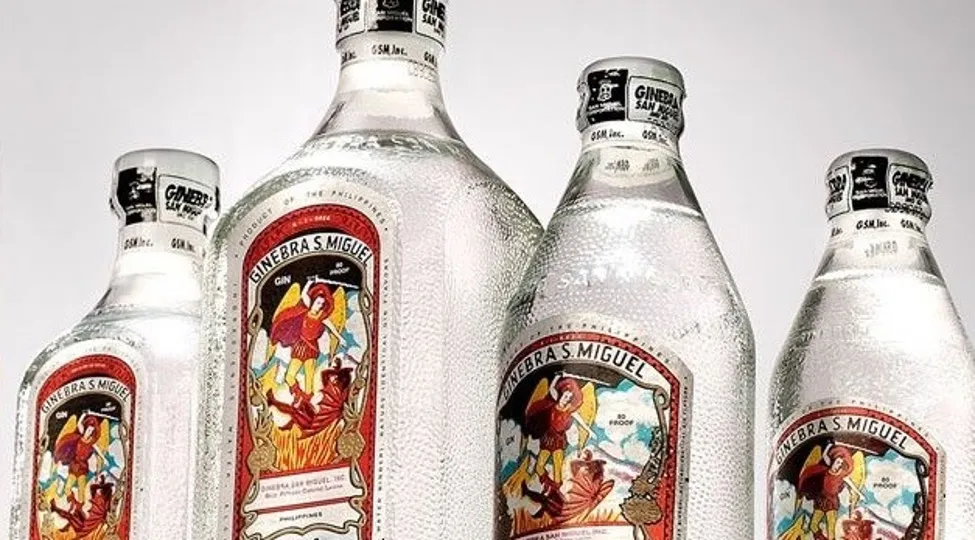
Ginebra San Miguel (GSMI PM - US$838 million) is the leading gin producer in the Philippines. It’s also the largest gin producer globally, selling 37 million cases annually.
The company dominates the gin market with an estimated 95% market share. But if you define the spirits market more broadly, there is competition from rum (Tanduay) and brandy (Emperador). Geographically, gin is more popular on the northern island of Luzon, while rum is more popular in the southern parts of Visayas and Mindanao.
The biggest draw of Ginebra is the low price. A 700ml bottle of gin costs 120 Philippine pesos, or roughly US$2. The taste is a bit rough around the edges, but for the price — I can’t complain.







)