
Disclaimer: Asian Century Stocks uses information sources believed to be reliable, but their accuracy cannot be guaranteed. The information contained in this publication is not intended to constitute individual investment advice and is not designed to meet your personal financial situation. The opinions expressed in such publications are those of the publisher and are subject to change without notice. You are advised to discuss your investment options with your financial advisers, including whether any investment suits your specific needs. From time to time, I may have positions in the securities covered in the articles on this website. Full disclosure: I hold a position in freee at the time of publishing this article. To reiterate, this post and the presentation below are for informational and educational purposes only—not a recommendation to buy or sell shares.
freee (4478 JP — US$1.1 billion) is a Japanese developer of cloud accounting software.
It was founded by a former Google executive called Daisuke (“Dice”) Sasaki, who had also run a start-up. Sasaki was shocked at how inefficient accounting processes were at his previous firm and other small- and medium-sized enterprises. So he decided to address the issue by writing software to automate mindless accounting tasks.
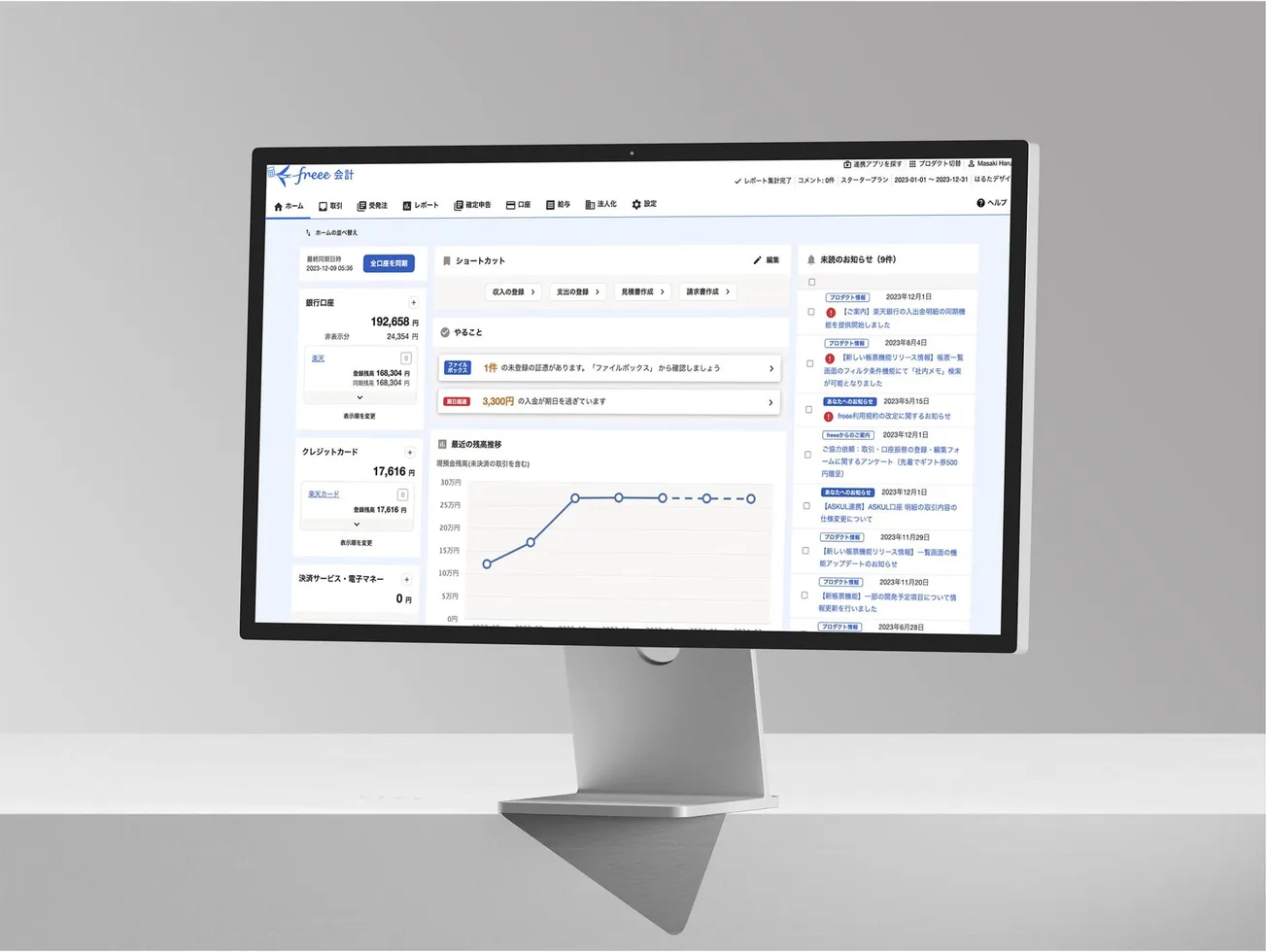
The result was "freee" – an enterprise resource planning system for Japanese SMEs:
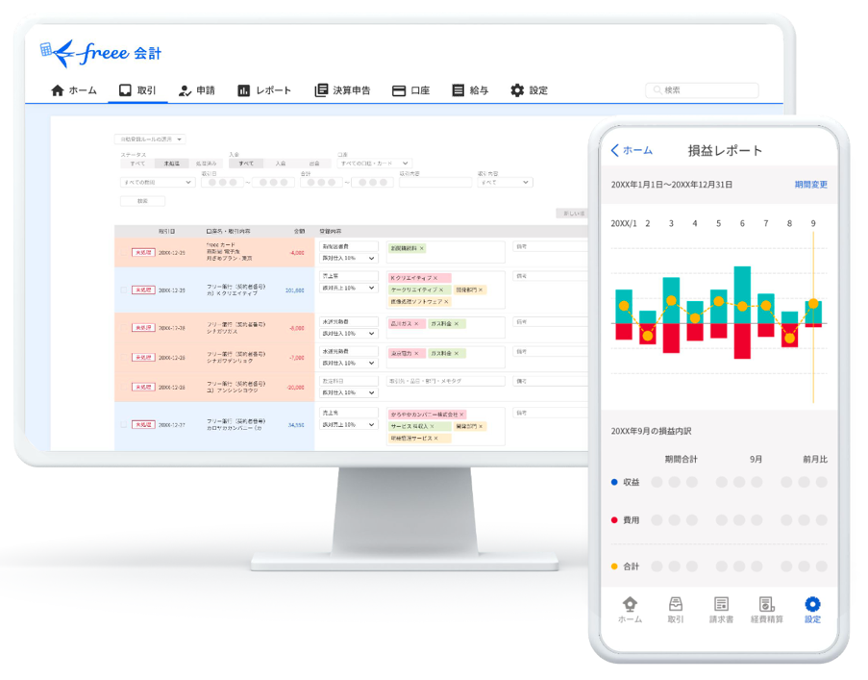
It's an automated platform. Transaction data from bank accounts, credit cards, expense claims and payment services feed into the platform. Each transaction is then automatically categorized. Invoices can be created, sent and received on the platform. And outputs accounting data, including profit & loss statements, cash flow statements and balance sheet. So the entire process is seamless.
Over time, Sasaki and his team has added additional features to the platform, including through bolt-on acquisitions. There are now additional modules such as HR module, project management, workload tracking, tax filing, e-signatures, health check-up tracking, SaaS account management and more. Almost anything that you might need to run a small business.
There are significant tailwinds for the industry. Many of Japan's smaller businesses still use pen & paper or Excel to manage their accounting. Others use on-premise software that's not accessible online and doesn't connect to banks to download transaction feeds. The cloud accounting penetration rate is only 25% compared to 70% in Australia and 80% in the United States.
freee is also benefiting from several new laws that are accelerating the adoption of cloud accounting software. In 2023, for example, Japan introduced the Qualified Invoice System that requires businesses to send invoices with specific registration numbers that then need to be verified against a national database. freee's software can perform this task automatically. The revised Electronic Book Preservation Act also forces companies to store invoices digitally — another feature that's embedded into freee's accounting platform.
I think the platform is incredibly sticky. It's so simple to use that even non-accountants are able to do basic accounting and file tax returns. Transactions from thousands of Japanese banks feed into the platform. In addition, freee has an app store with 203 additional modules that add to the feature set. Migrating the data to another platform is impossible and would lead to a loss of comparability of accounting data across years.




)