
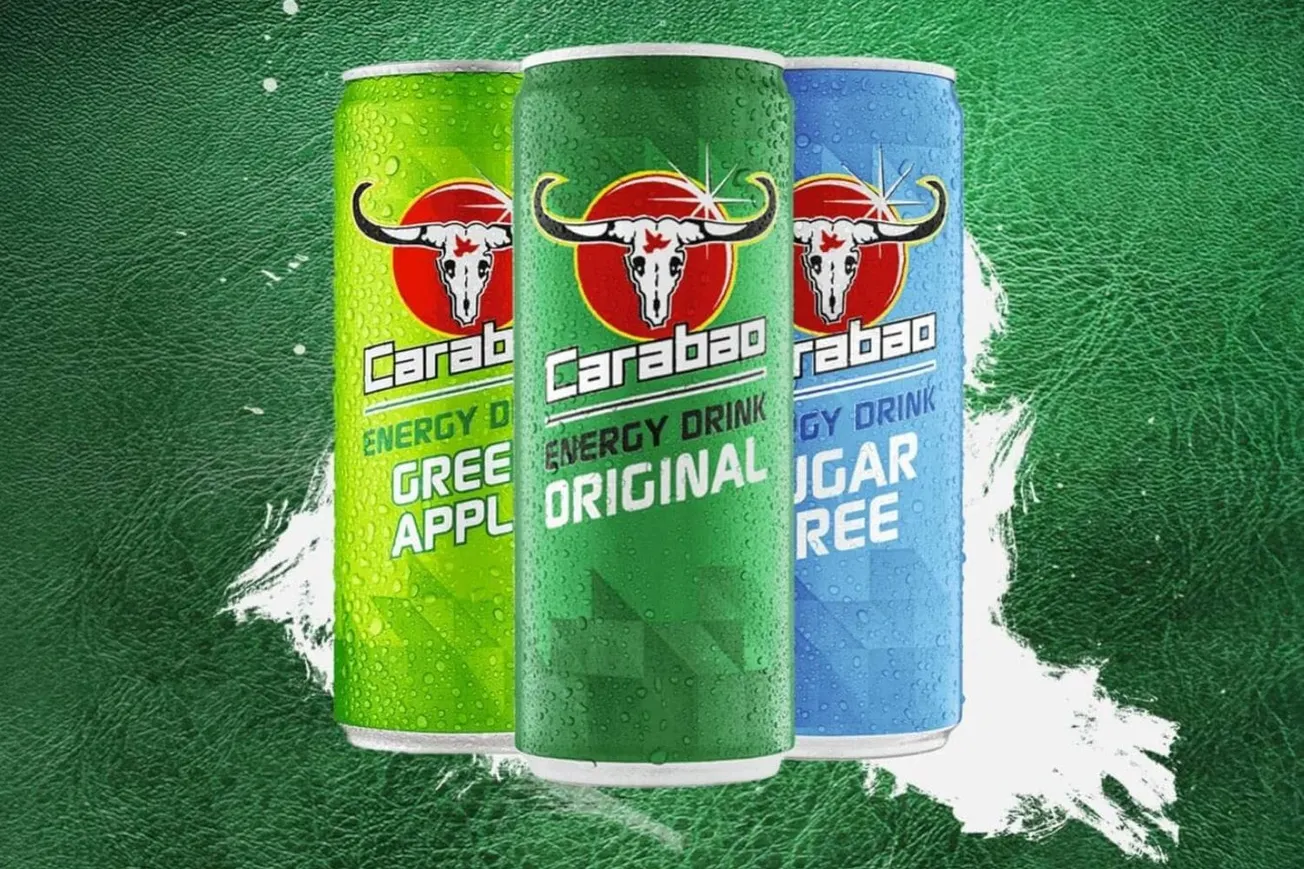
Hi! Welcome to a subscriber-only edition of Asian Century Stocks – a newsletter about Asian value stocks. For a complete list of all previous posts, check out the Table of Contents.
Disclaimer: Asian Century Stocks uses information sources believed to be reliable, but their accuracy cannot be guaranteed. The information contained in this publication is not intended to constitute individual investment advice and is not designed to meet your personal financial situation. The opinions expressed in such publications are those of the publisher and are subject to change without notice. You are advised to discuss your investment options with your financial advisers, including whether any investment suits your specific needs. I hold a position in Carabao at the time of publishing this article. To reiterate, this post and the presentation below are for informational and educational purposes only—not a recommendation to buy or sell shares.
More than ten years ago, I bought shares in a little US energy drink maker called Celsius Holdings. It wasn't particularly known at the time, but I had tried its products in my native Sweden and thought they had room to expand.
Unfortunately, I sold the shares before the massive 2020 run-up. But the experience left me yearning for more. And that led me to Thai energy drink maker Carabao (CBG TB — US$1.4 billion).
I've already mentioned Carabao one time before, when I compared the effectiveness of different generative AI tools in equity research. This week, I dug even deeper to figure out what the company's long-term earnings picture looks like. And this is what I've found.
Carabao is a Thai beverage company most known for its "Carabao Dang" energy drink. The company was formed in 2001 as a partnership between businessman Sathien Sathientham and Thai rock star Aed Carabao, who gave the drink its name. The word "Carabao", by the way, refers to a type of water buffalo that's common in the Philippines.
The group's flagship product, Carabao Dang, is a sweet, non-carbonated energy drink that Thai workers consume for a quick boost. Each 150ml bottle costs 10 baht (about US$30 cents) and contains 50mg of caffeine.
The first-mover in the industry was a local product called Krating Daeng, which was later rebranded internationally as "Red Bull". In 1985, competitor Osotspa launched its M-150 drink. That product now dominates the market with a 50% market share.
However, in the past few years, Carabao has slowly taken share from the incumbents, with its green bottles appealing to the younger generation. The company is on track to increase its market share from 28% today to 32% by 2027.
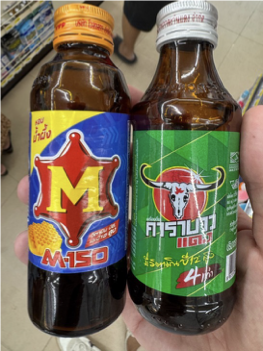
The differences between Krating Daeng (Red Bull), M-150 and Carabao aren't big. Krating Daeng and M-150 might have a sweeter taste. Though in my mind, they all seem extremely sweet. What sets Carabao apart is its association with Thai rock culture and English football through its sponsorship of the EFL Carabao Cup. Another thing that sets Carabao apart is that the product is cheaper: 10 baht instead of 12.
Carabao's ability to charge lower prices stems from its vertical integration. The company makes its bottles and aluminium cans in-house. It also distributes its products in-house. And since the machinery is modern, Carabao's plants tend to be more efficient than Osotspa's.



)